
People
Emily Tenorio Molina is a first-generation graduate student at the UC Berkeley Graduate School of Journalism. Her reporting focuses on technology and science in the San Francisco Bay Area. She’s currently a Newscast intern with KQED, and she’s previously worked for Bay City News and Contra Costa Pulse.
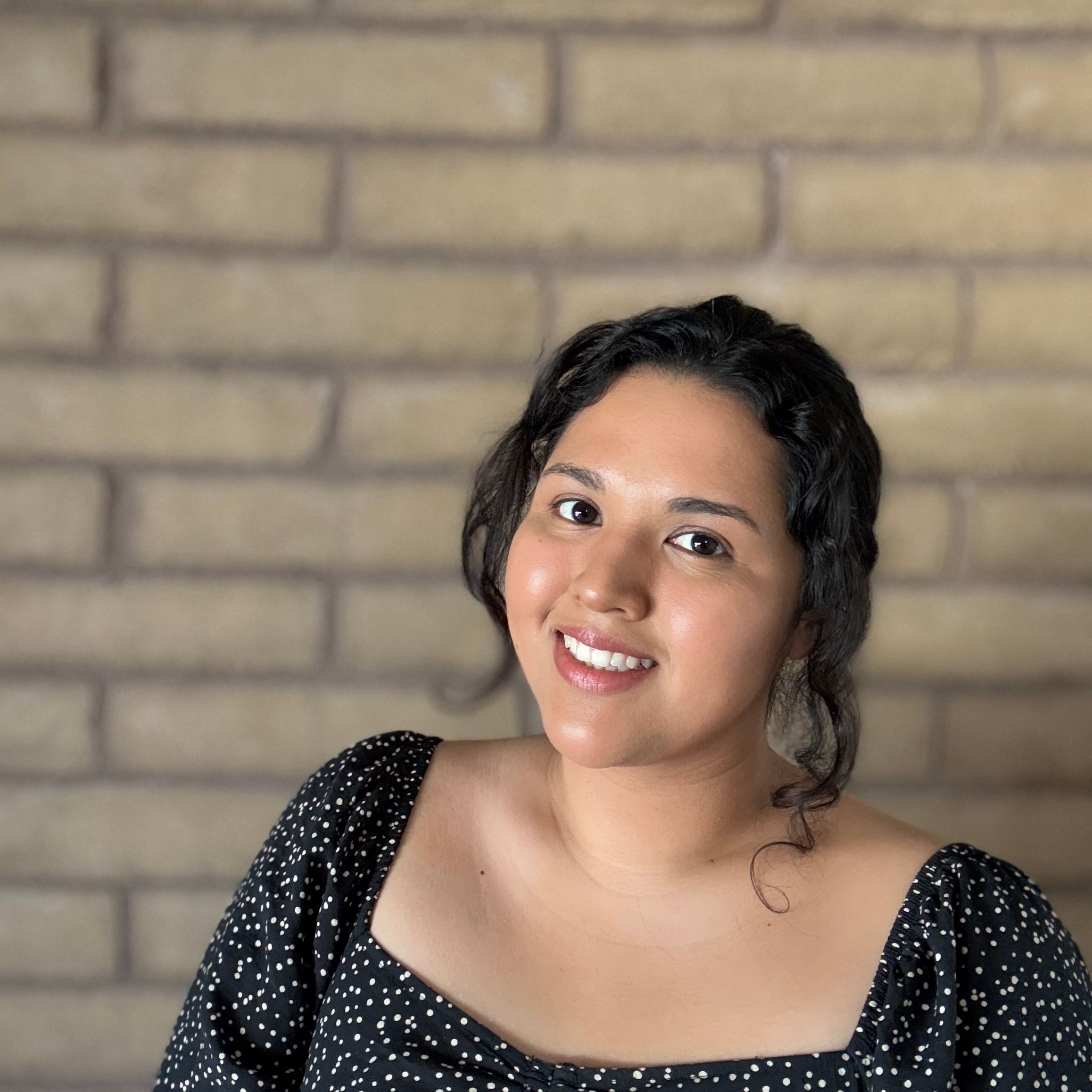
Emily Tenorio Molina
Science Communications Intern
Dr. Emmanuel Nasinghe graduated with a degree in Medicine and Surgery from Makerere University in 2017. He joined the Molecular Laboratory in the Department of Immunology and Molecular Biology at Makerere Unversity in Kampala, Uganda as a research assistant in 2018, working in Dr. Joloba’s laboratory. He coordinates the CEND Alliance program and other genomic studies in the department. He is currently enrolled in a Masters’ in Clinical Epidemiology and Biostatistics at Makerere University, and intends to pursue a career in genetic epidemiology.
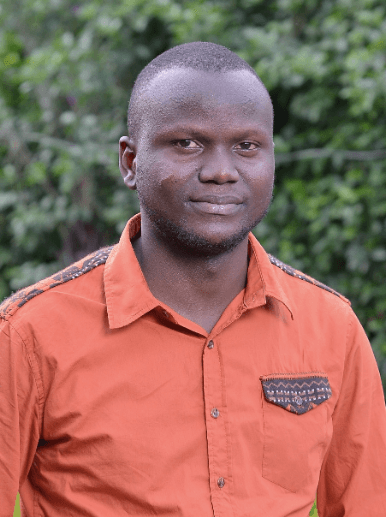
Emmanuel Nasinghe, M.D.
On-Site Coordinator, Alliance for Global Health & Science
Jeff pursued his graduate studies at UC San Francisco in the laboratory of Dr. Peter Walter, where he made the initial discoveries of the unfolded protein response in yeast and received a PhD in Biochemistry and Biophysics. He moved to New York for a postdoc. fellowship with Dr. Bill Jacobs at Albert Einstein School of Medicine, where he developed new genetic strategies that allowed him to identify key virulence factors in M. tuberculosis. He subsequently returned to UCSF as Assistant Professor in the Dept. of Microbiology & Immunology, and established his research program studying the mechanisms of M. tuberculosis pathogenesis during his 15-year career there. In January 2016, he returned to Berkeley as Professor of Molecular and Cell Biology and as Faculty Director of the Center for Emerging and Neglected Diseases (CEND). His vision for CEND is to harness the broad strengths of Berkeley and the greater Bay Area to promote innovative research that focuses on major infectious diseases of the developing world.
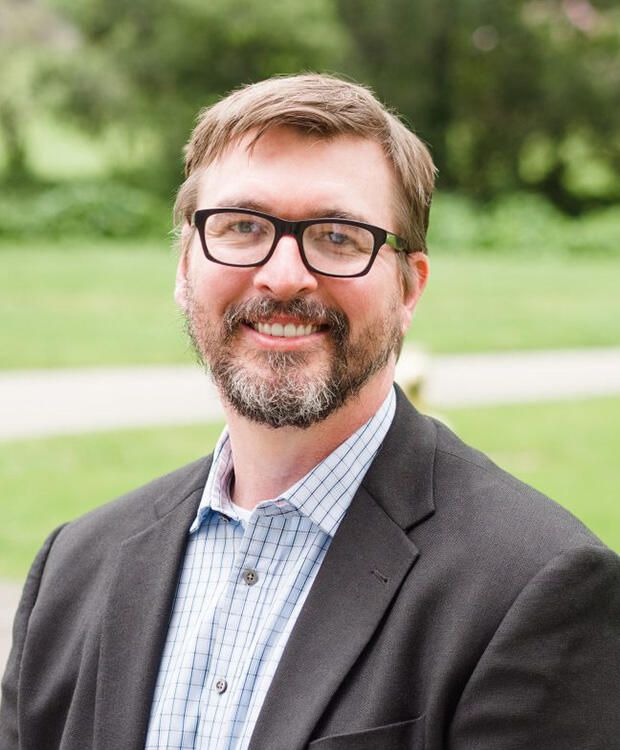
Jeffery Cox, Ph.D.
CEND Co-Faculty Director and C.H. Li Chair, Biochemistry and Molecular Endocrinology Professor, Immunology and Pathogenesis
Kate Roberts is the Executive Director of the Henry Wheeler Center for Emerging and Neglected Diseases. Her work focuses on leading strategic partnerships within and beyond Berkeley, facilitating multidisciplinary collaboration and training, and translating research discoveries into real-world impact. With nearly two decades of experience across Africa, Asia, Latin America, and the Pacific, she specializes in implementation science approaches that strengthen health systems and advance infectious disease surveillance and response through locally-led, equitable collaboration. Kate holds a DrPH in Implementation Science in International Health from Johns Hopkins University, an MPH in Forced Migration and Health from Columbia University, and a BA from Emory University.
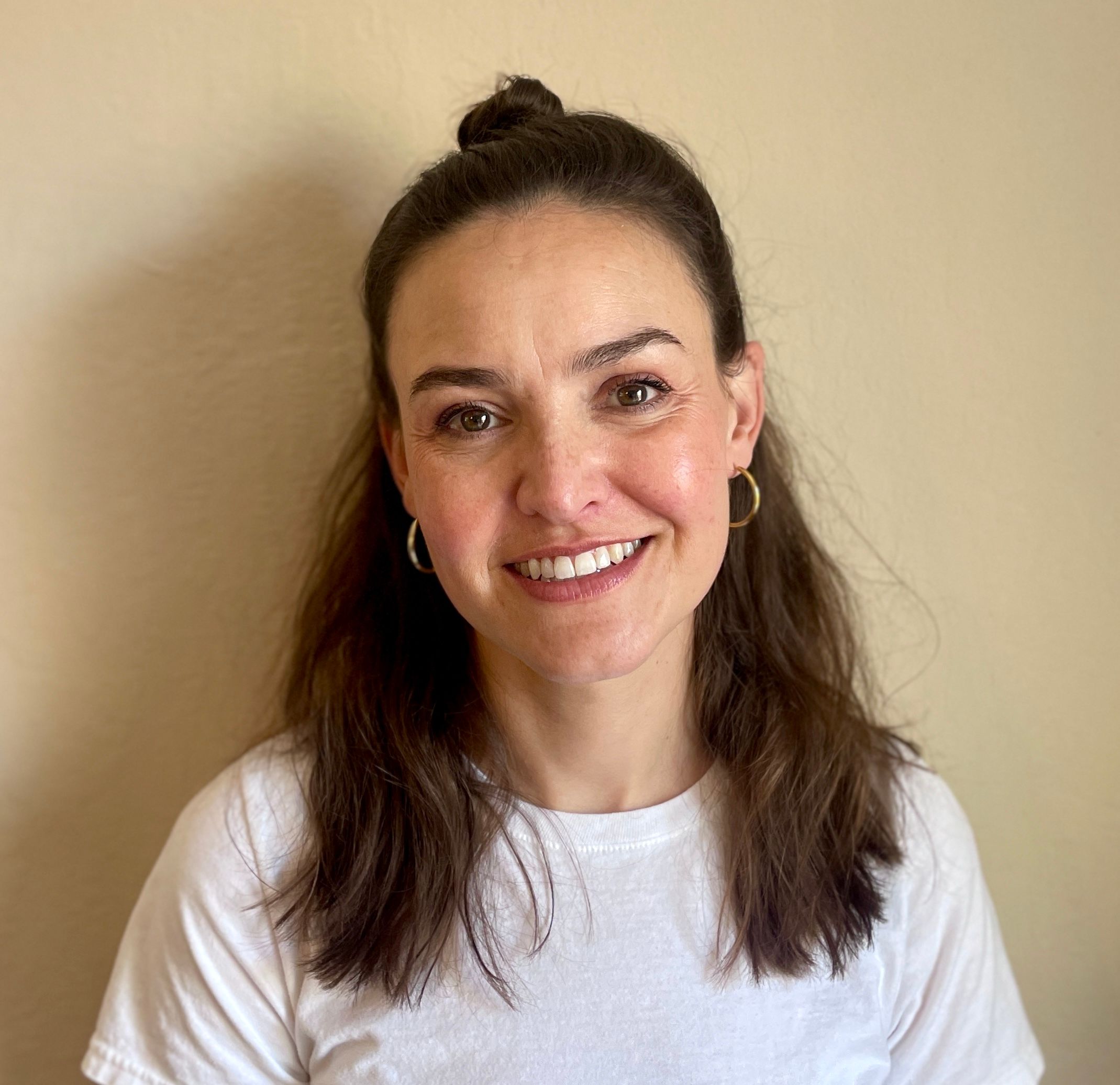
Kathryn Roberts, Dr.P.H., M.P.H
Executive Director
Laurent Coscoy is a Professor of Immunology in the Department of Molecular & Cell Biology. His research explores how viruses evade the immune system by disrupting the cellular machinery responsible for alerting the body to infection. Specifically, his lab investigates how cytomegaloviruses manipulate antigen presentation—the process by which infected cells display molecular signals that trigger protective immune responses. His work has revealed that while these viruses attempt to hide from detection by altering the peptides displayed on cell surfaces, this evasion strategy inadvertently activates an unconventional subset of T cells capable of recognizing these altered signals and mounting an effective antiviral response. This discovery opens promising avenues for vaccine development, as these unconventional T cell responses could be harnessed to protect against cytomegalovirus infections. Current projects in his lab focus on understanding the biology of these T cells in both mice and humans, with an emphasis on how viral perturbations are sensed by host cells and translated into immune activation.
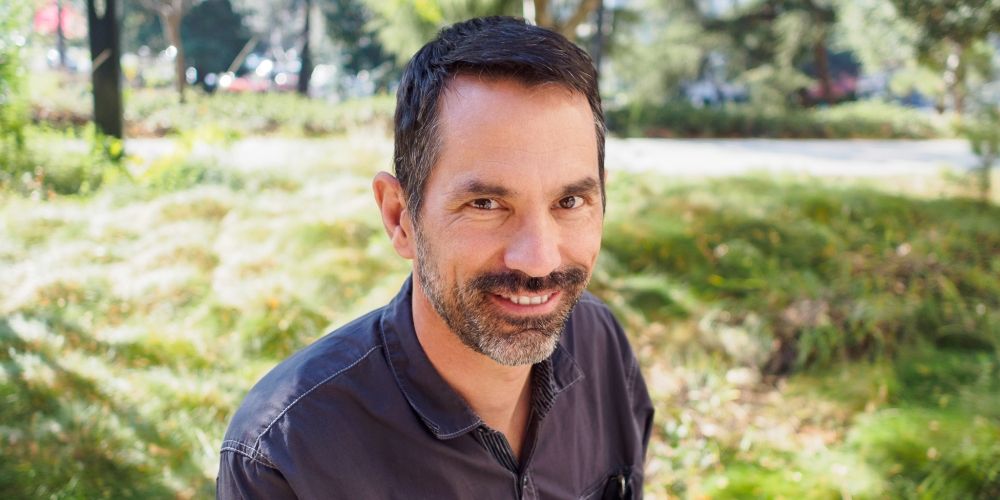
Laurent Coscoy, Ph.D.
Faculty Associate Director and Professor of Immunology and Pathogenesis, Molecular and Cell Biology
Martina started her career as a communicable disease contact tracer and case investigator at a county health department to support the Covid-19 pandemic response. She then worked for Kiva to support global financial inclusion. Most recently, Martina worked for a USAID contractor implementing programs with partners in Mozambique, Myanmar, and South America. She is excited to bring together her experiences in public health and global programs to grow CEND's impact and increase capacity to treat neglected diseases. Martina holds a BA of Neuroscience from the University of Southern California and an MA of International Development Studies with an emphasis in Peace and Conflict Studies from The George Washington University. As a graduate student, she was a Bayer Sustainable Development Goals Fellow focused on increasing access to clean water and prenatal nutrition as well as improving dissemination of climate-smart agriculture initiatives. Her graduate work focused on community based land rights for environmental protection and violence reduction in Guatemala with the United States Institute of Peace. She is passionate about enacting better policies to support those forced to flee their homes due to violence, economic deprivation, and other forms of persecution.
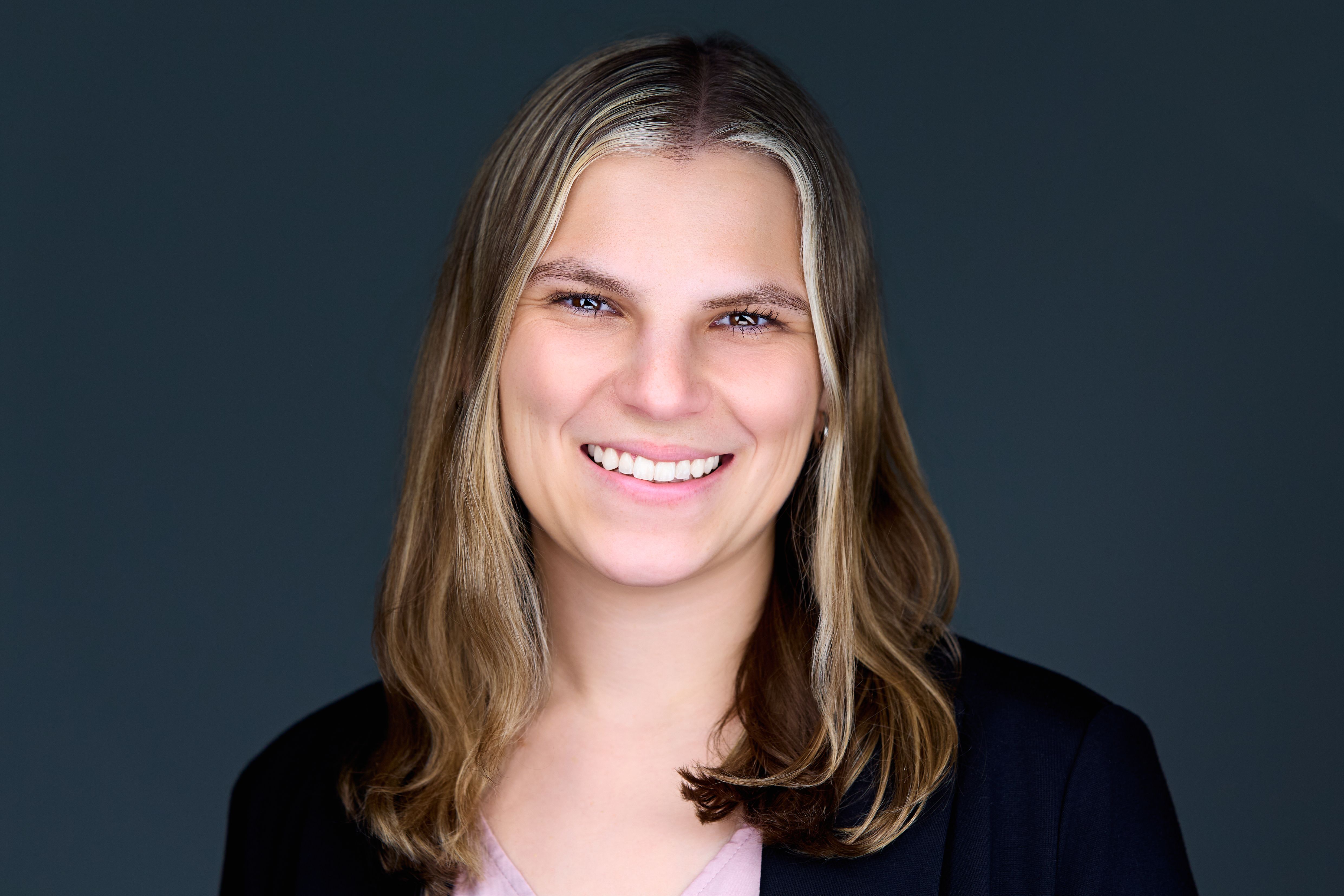
Martina Vega, M.A.
Communications and Partnerships Coordinator
Sam Chamorro is a first-year graduate student studying Health Policy & Management at the UC Berkeley School of Public Health, where she serves as a Blue Shield of California Fellow. She holds a Bachelor of Science in Biology from UCLA. Her work has centered on mixed-methods field research, health data analytics, and climate resilience policy. She has worked as a Research Consultant with Pacoima Beautiful, conducting health and housing assessments in the San Fernando Valley, and translating data into actionable policy recommendations for climate-impacted communities. As a Project Coordinator Intern with the California Department of Public Health, she developed a statewide pre-planning assessment framework to improve strategic alignment and operational capacity of local health departments in integrating emergency preparedness and climate resilience into their core workflows. Passionate about community and leadership, Sam served as President of the UCLA Public Health Initiative: Leaders of Tomorrow, directing mentorship programs and professional growth events for undergraduate students.
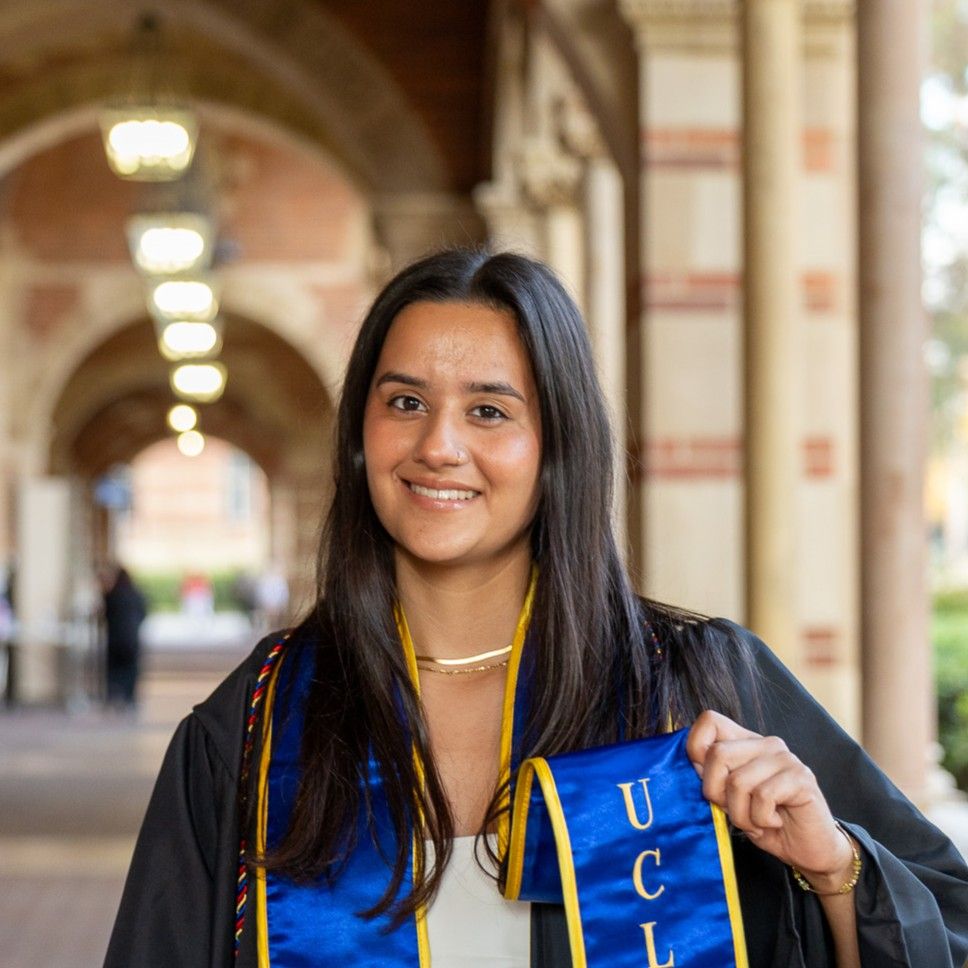
Sam Chamorro
Graduate Student Assistant
Sarah Stanley is CEND's Co-Faculty Director, Faculty Director of the Alliance for Global Health and Science, and an Assistant Professor at UC Berkeley with appointments in the School of Public Health and in Immunology and Molecular Medicine within Molecular and Cell Biology. She is deeply committed to scientific capacity building in low- and middle-income countries and has mentored numerous students and scientists from around the world. Her research focuses on innate and adaptive immune responses to Mycobacterium tuberculosis (Mtb), a pathogen of tremendous global importance that kills more people annually than any other infectious agent and infects an estimated two billion people worldwide. Her lab seeks to understand why natural immunity fails to eliminate Mtb infection—despite the pathogen being a strong inducer of inflammation and robust T cell responses—and what types of immune responses have the potential to be truly protective. This work extends to the bacterial perspective as well, using genetics to identify virulence factors that allow Mtb to exploit, evade, and suppress host immunity. The ultimate goal is to leverage these insights for developing new vaccines and immune-modifying therapeutics. Sarah trained at UCSF, where she earned her PhD studying the molecular basis of Mtb pathogenesis with Jeff Cox, followed by postdoctoral work at the Broad Institute of Harvard and MIT using high-throughput screening to identify novel inhibitors of infection.
Sarah Stanley, Ph.D.
CEND Co-Faculty Director; Alliance for Global Health and Science Faculty Director, and Assistant Professor, School of Public Health and Molecular Cell Biology
Dr. Adam Abate is a physicist who brings a unique research program to the campus. His research employs microfluidics for high-throughput biological applications. He has developed microfluidic methods to create emulsions that consist of droplets of very precise and consistent sizes and to manipulate the processing and contents of individual droplets in different ways. The droplets are used to create micro-compartments, which can be loaded with single cells and other active materials, such as drugs, nutrients, and assay reagents. By chaining together different microdevice components, the droplets can be used as tiny "test tubes" for performing chemical and biological reactions. This allows multiple, independent reactions to take place at the rate of thousands per second, while using minuscule amounts of total reagent. Adam is using this approach for directed evolution, genetic sequencing, and cell sorting.
Adam Abate, Ph.D.
Professor, Bioengineering, UCSF
The Arkin laboratory for systems and synthetic biology seeks to uncover the evolutionary design principles of cellular networks and populations and to exploit them for applications. To do so they are developing a framework to effectively combine comparative functional genomics, quantitative measurement of cellular dynamics, biophysical modeling of cellular networks, and cellular circuit design to ultimately facilitate applications in health, the environment, and the circular bioeconomy on earth and in space. We lead three major projects: The Ecosystems and Networks Integrated with Genes and Molecular Assemblies (ENIGMA) program which seek to advance a predictive, mechanistic understanding of microbial biology and the impact of microbial communities on their ecosystems; The DOE Systems Biology Knowledgebase (KBase) is a software and data science platform designed to meet the grand challenge of transparent, reusable, reproducible systems biology: predicting and designing biological function; and the Center for Utilization of Biological Engineering in Space (CUBES) which aims to create a high efficiency sustainable and regenerable biomanufacturing platform for functional food, pharmaceuticals and materials for prolonged deep space missions. They also work on 'living' therapies such as phage to treat antimicrobial resistant microbes or creation of microbial probiotics that sense and protect against respiratory infection.
Adam Arkin, Ph.D.
Professor, Lawrence Berkeley National Labs and Bioengineering Department
Alan Hubbard is currently Head of Biostatistics, co-director of the Center of Targeted Learning, and head of the computational biology core of the SuperFund Center at UC Berkeley (NIH), as well as a consulting statistician on several federally funded and foundation projects. He has worked as well on projects ranging from molecular biology of aging, epidemiology, and infectious disease modeling, but most of his work has focused on semi-parametric estimation in high-dimensional data. His current methods-research focuses on precision medicine, variable importance, statistical inference for data-adaptive parameters, and statistical software implementing targeted learning methods. He is currently working in several areas of applied research, including early childhood development in developing countries, environmental genomics, and comparative effectiveness research. He has most recently concentrated on using complex patient data for better prediction for acute trauma patients.
Alan Hubbard, Ph.D., M.S.
Professor, Biostatistics, School of Public Health
Amy E. Herr is the John D. & Catherine T. MacArthur Professor in the Department of Bioengineering. A major focus of the Herr lab is engineering innovation for analysis of complex biological systems -- as is required to address questions important to both fundamental biological systems and applied clinical research. Her lab employs a combination of approaches drawn from chemical engineering, mechanical engineering, and electrical engineering with strong foundations in biology, materials science, and analytical chemistry. In essence, the Herr Lab strives to advance the "mathematization" of biology & medicine. Their research projects span understanding fundamental transport to materials design to applications in life sciences tools and diagnostics.
Amy Herr, Ph.D., M.S.
Professor, Bioengineering
Amy J. Pickering, Ph.D. is the Blum Center Distinguished Chair in Global Poverty and Practice jointly appointed in the Department of Civil and Environmental Engineering and the Blum Center for Developing Economies. Dr. Pickering’s research combines tools from multiple disciplines (engineering, economics, microbiology, epidemiology) to identify low-cost and scalable interventions to interrupt disease transmission in low-income countries. Dr. Pickering has over 15 years of experience collaborating with partners in Benin, Kenya, Tanzania, Mali, Mexico, Sri Lanka, Bangladesh, and India on research to improve human health and well-being. She is a CZ Biohub Investigator and NSF CAREER awardee. Her main research interests include disease transmission, water, public health surveillance, zoonotic infectious disease, and community-acquired antimicrobial resistance.
Amy Pickering, Ph.D.
Associate Professor, Civil and Environmental Engineering, Blum Center Distinguished Chair in Global Poverty and Practice
Arthur L. Reingold, MD, is a Professor of Epidemiology at the University of California, Berkeley School of Public Health. Dr. Reingold has worked for over forty years on the prevention and control of infectious diseases both at the national level, including eight years at the US Centers for Disease Control and Prevention, as well as with numerous low income countries around the world. He has directed or co-directed the CDC-funded California Emerging Infections Program since its inception in 1994. His research interests include vaccine-preventable diseases; respiratory infections, including influenza; bacterial meningitis; disease surveillance; and outbreak detection and response. He has published almost 400 original research papers on these subjects and teaches a wide variety of courses on related topics at the University of California, Berkeley and at numerous other universities around the world. Among other honors, he was elected to the Institute of Medicine of the National Academy of Sciences in 2003.

Arthur Reingold, M.D.
Professor Emeritus, Epidemiology, School of Public Health
Ashley Wolf is an Assistant Professor of Infectious Diseases and Vaccinology at the School of Public Health with a joint appointment in the Center for Computational Biology. Her research focuses on the variation of gut microbiome composition across individuals and the roles of these complex microbial communities in mammalian health and disease. The mammalian gut microbiota is a complex community of microbes shaped by diet, microbial competition and host factors. Sequencing surveys of human gut microbiota samples have shown the extreme diversity of these communities, as well as correlated aspects of the microbiota with a range of human conditions. Disruption to gut microbiota structure is linked to susceptibility to infectious and chronic diseases. Microbiome research in the Wolf Lab encompasses two areas: bacterial metabolism of dietary ingredients and microbiota-mediated protection against infectious disease (including Mycobacterium tuberculosis and Shigella). The group combines human microbiome data, laboratory models, and computational analyses to ask questions about the role of diet, microbial competition, and host factors in gut microbiome structure and function.
Ashley Wolf, Ph.D.
Assistant Professor, Infectious Diseases and Vaccinology, School of Public Health
Ayesha Mahmud is a demographer, who is broadly interested in the interplay between human population changes, environmental factors, and infectious disease dynamics. Her research draws on theory and methods from demography and disease ecology, to answer questions such as - why do outbreaks occur at certain times of the year? How and why does the mortality burden of infectious diseases vary over time? How do population travel patterns drive the spatial dynamics of outbreaks? How will global environmental and demographic changes alter the landscape of infectious disease burden in the future? She uses statistical methods and biologically mechanistic models to answer these questions in the context of multiple diseases in countries in Asia, Africa, and Central America, using data from disease surveillance systems, hospital databases, climate models, human mobility data, and population surveys and censuses. Prior to coming to Berkeley, she was a Rockefeller Foundation Planetary Health Fellow at Harvard University. She received her Ph.D. in Demography from Princeton University in 2017.
Ayesha Mahmud, Ph.D.
Associate Professor, Demography
Dr. Babak Javid is an infectious diseases physician-scientist and Associate Professor in the Division of Experimental Medicine at UCSF. He went to medical school at the University of Cambridge and, after residency in general (internal) medicine, returned to Cambridge to study for a PhD in immunobiology as an MRC training fellow in the lab of Paul Lehner. There, he studied the cross-presentation of heat-shock protein/peptide complexes by human dendritic cells to human cytotoxic lymphocytes. Following a fellowship in infectious diseases, Dr. Javid became fascinated by the clinical and scientific aspects of tuberculosis. He went to Boston as an MRC Clinician Scientist Fellow to work on mycobacterial genetics with Eric Rubin at Harvard. It was at Harvard that Dr. Javid first discovered that the protein synthesis apparatus of Mycobacterium tuberculosis (Mtb) is rather different from the "standard" E. coli model and, in particular, that mycobacteria have extremely high but specific translational error rates (mistranslation). He started his independent research career in 2011 at Tsinghua University in Beijing and joined the faculty at UCSF in July 2020. In addition to the lab's research focus, Dr. Javid has a keen interest in mentorship and bringing together diverse researchers to tackle the global challenge of tuberculosis. With regards to the latter role, he is Associate Director (Basic Research) of the UCSF Center for Tuberculosis and Co-PI of the Basic Science Core of the UC-TRAC (Tuberculosis Research Advancement Center) -- one of six national Centers of Excellence for TB Research. Outside of the lab, Dr. Javid enjoys learning to cook, engaging in Baha'i activities, watching movies (trashy Sci-Fi is always welcome!), and spending time with his family.
Babak Javid, MB, Ph.D.
Associate Professor, Division of Experimental Medicine, UCSF
Dr. Brady Cress leads research on microbiome editing technologies at the IGI. As part of the Berkeley Initiative for Optimized Microbiome Editing (BIOME) at the IGI, research in his lab focuses on engineering microbial communities to address global challenges associated with human health and climate change. To accomplish this, he is developing CRISPR genome editing and DNA delivery technologies that are specialized for targeted manipulation of microorganisms in the context of their natural communities, expanding beyond the paradigm of performing genetics exclusively on isolated species. These technological platforms aim to efficiently alter and augment microbial community functions to produce positive health and environmental outcomes. Cress completed an NIH Kirschstein-NRSA (F32) Postdoctoral Fellowship with Jennifer Doudna, where he and colleagues developed CRISPR-associated transposases for species- and site-specific genome editing within microbial communities.
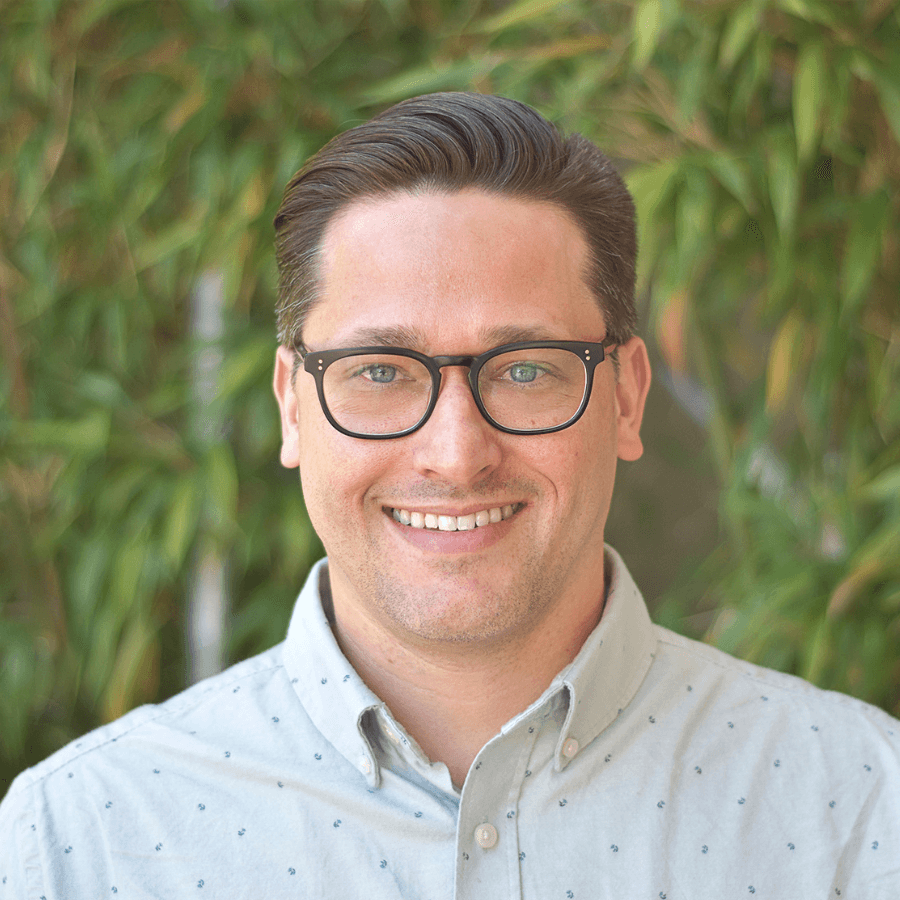
Brady Cress, Ph.D., M.S.
Principal Investigator of Microbiome Editing Technologies, Innovative Genomics Institute
Research in the Staskawicz laboratory is focused on elucidating the molecular basis of plant innate immunity from the perspective of both the pathogen and the host. They have emphasized the identification and characterization of bacterial effector proteins from both Pseudomonas syringae and Xanthomonas spp. with respect to the molecular events that control delivery of effector proteins to host and their sites of action within the plant host. They have studied the dual phenotype of bacterial effectors with regards to both virulence and their ability to trigger effector-mediated immunity when they are recognized by their cognate NB-LRR plant innate immune receptors. The laboratory studies many aspects of plant innate immunity and employs cutting edge methods to answer many of the pressing questions in the field that pertain to effector recognition and NB-LRR immune receptor activation. Furthermore, they have now set out to apply basic discoveries in the field of molecular plant pathology to engineer durable resistance in agronomic crop species.
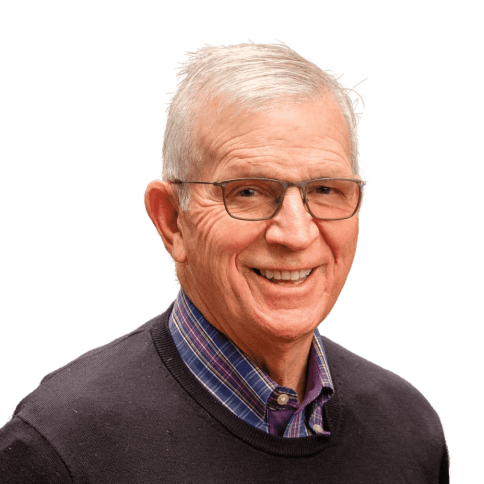
Brian Staskawicz, Ph.D., M.S.
Professor Emeritus, Plant and Microbial Biology
Britt Glaunsinger is a molecular virologist whose research investigates how virus–host interactions influence gene expression during infection. She is best known for her work on herpesviruses, revealing how viral proteins manipulate cellular RNA synthesis and fate. Glaunsinger’s lab integrates molecular biology, genomics, and cell biology to study how viruses co-opt host machinery and how cells respond to pathogenic stress. She is Professor of Plant and Microbial Biology and Molecular and Cell Biology at UC Berkeley, and an Investigator of the Howard Hughes Medical Institute. She holds the Class of 1963 Endowed Chair for excellence in undergraduate teaching.
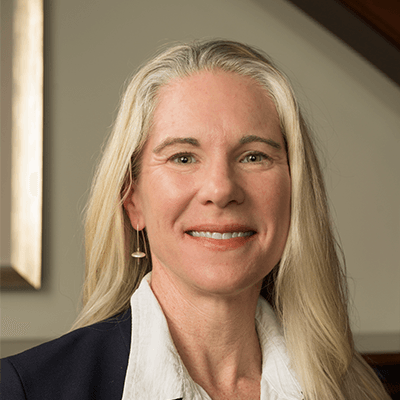
Britt Glaunsinger, Ph.D.
Professor, Plant and Microbial Biology, Molecular and Cell Biology
Dr. Bryan Greenhouse’s research is focused on developing new tools to better measure malaria transmission and to determine how some people can be infected with malaria parasites without becoming sick. His team studies malaria in its natural environment, applying novel laboratory and analytical methods to high-quality field studies. Most of his work takes place in malaria-endemic regions, primarily in sub-Saharan Africa. His current projects center on understanding the development of naturally acquired immunity, creating novel antibody-based tools to measure malaria exposure and immunologic protection, improving diagnostics, and using parasite genetics and spatial data to understand parasite transmission and evolution. Dr. Greenhouse is dedicated to teaching and mentoring and is coordinating efforts to democratize access to malaria genomics by expanding access to analytics and creating training resources. His group is also committed to building capacity for laboratory genomics and data analysis and is actively collaborating with several partners to advance these efforts. Dr. Greenhouse’s lab is based at Zuckerberg San Francisco General Hospital, where he co-leads the UCSF EPPIcenter.
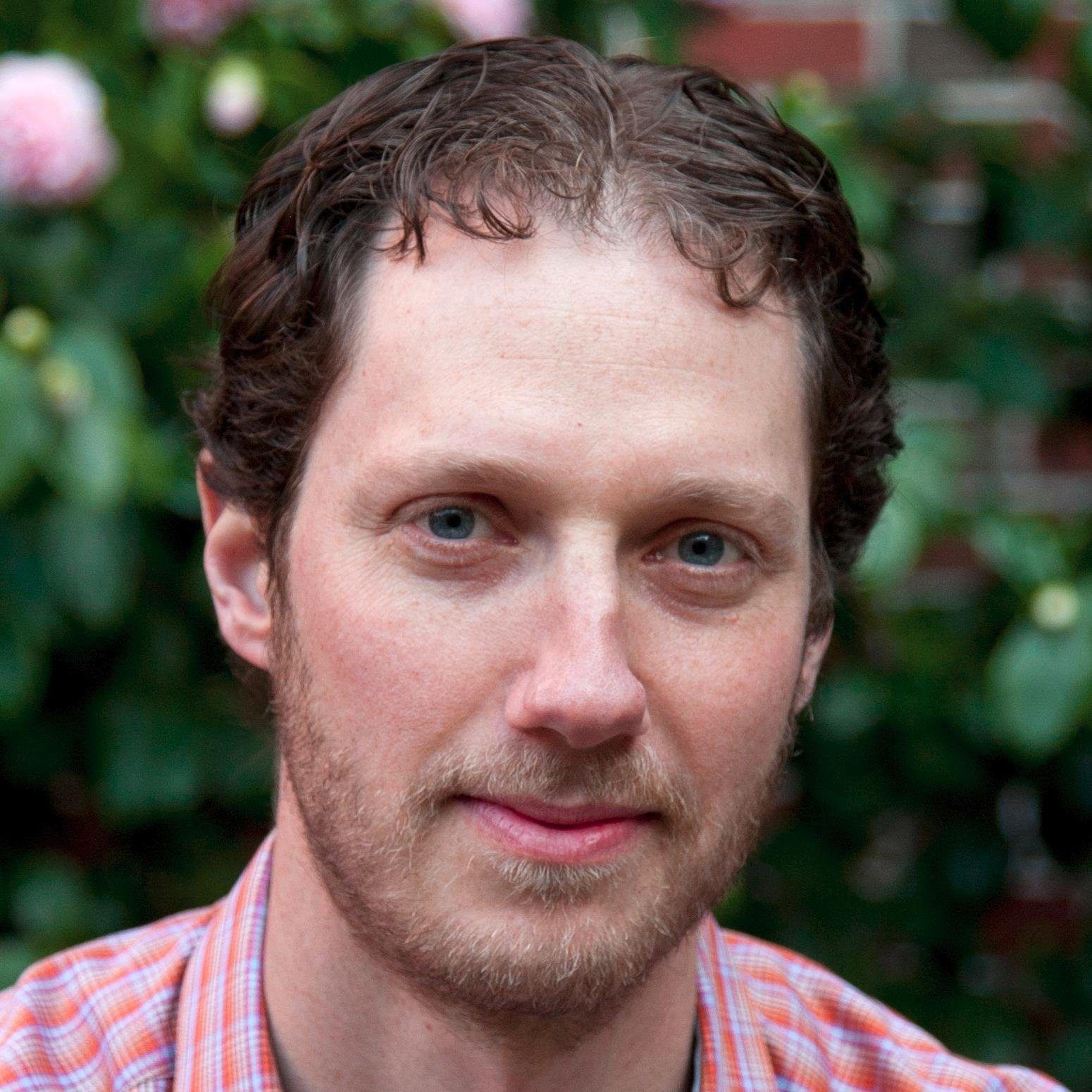
Bryan Greenhouse, M.D., M.A.
Professor, Department of Medicine, UCSF
Cara Brook is an Assistant Professor in the Department of Integrative Biology at the University of California, Berkeley. She investigates the ecological and evolutionary dynamics of zoonotic infections, with a particular focus on pathogens derived from wild bat hosts. She maintains a long-term field site studying fruit bat viruses in the island nation of Madagascar, where she works closely with students from the University of Antananarivo and the Institut Pasteur de Madagascar. She is committed to conducting rigorous science while simultaneously promoting scientific development, education, and capacity building in Madagascar. Prior to joining Integrative Biology, Dr. Brook was an Assistant Professor in the Department of Ecology and Evolution at the University of Chicago. Before launching her faculty career, she was a Branco Weiss Society and Science Fellow and a Miller Postdoctoral Fellow at UC Berkeley. She received her PhD in Ecology and Evolutionary Biology from Princeton University in 2017 and her BS in Earth Systems from Stanford University in 2010. Originally from Sonoma County, California, she enjoys hiking, backpacking, and camping across the North American West when not chasing bat viruses.
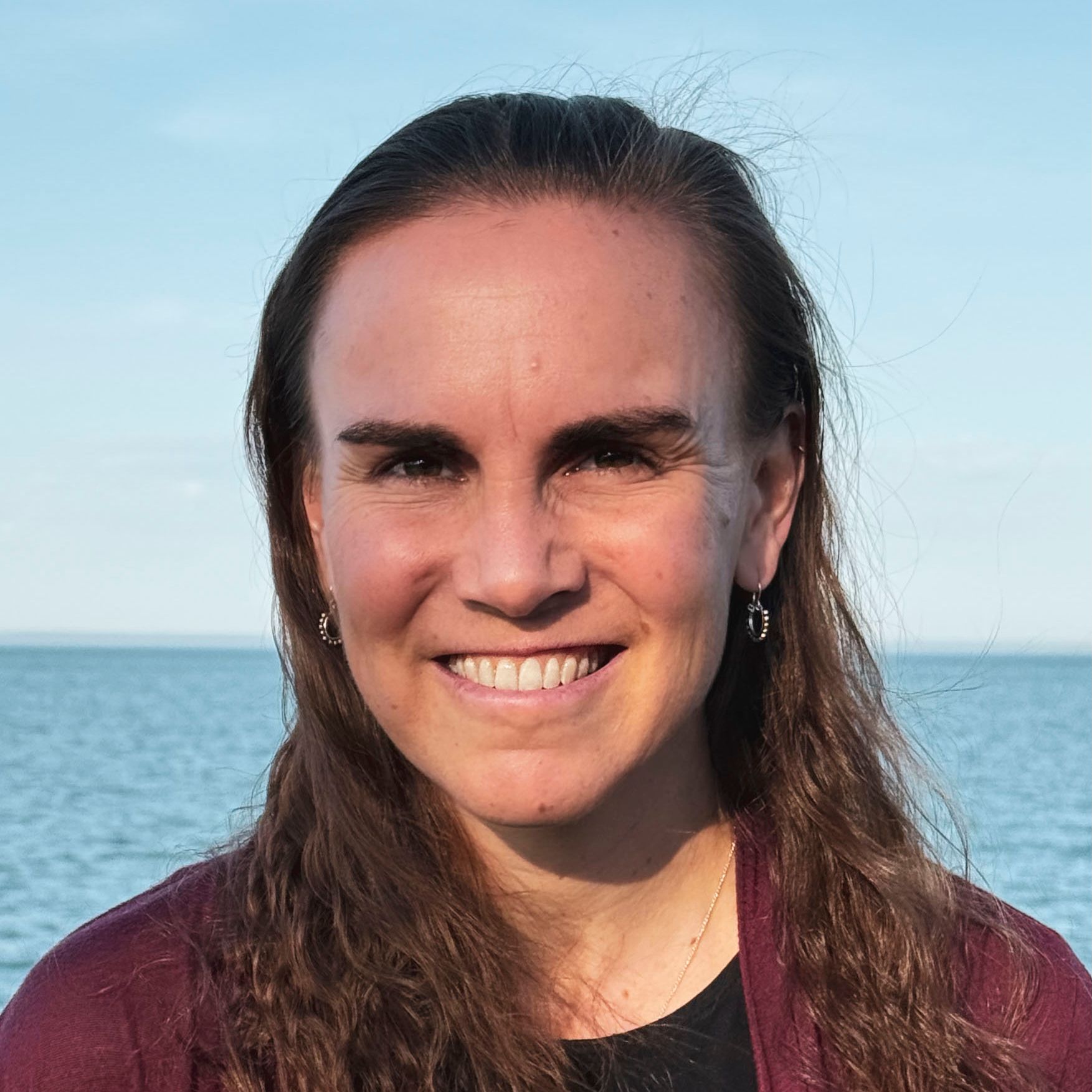
Cara Brook, Ph.D.
Assistant Professor, Integrative Biology
Carlos Bustamante uses novel methods of single-molecule visualization, such as scanning force microscopy, to study the structure and function of nucleoprotein assemblies. His laboratory is developing methods of single-molecule manipulation, such as optical tweezers, to characterize the elasticity of DNA, to induce the mechanical unfolding of individual protein molecules, and to investigate the machine-like behavior of molecular motors. Bustamante’s laboratory was the first to mechanically manipulate and stretch a single molecule of DNA using optical tweezers to measure its elastic properties, it was essential to his studies of molecular machines such as RNA polymerase and ribosomes. Carlos Bustamante is a Howard Hughes Medical Institute (HHMI) investigator, professor of molecular and cell biology, physics, and chemistry at the University of California, Berkeley, and Biophysicist Faculty Scientist at the Lawrence Berkeley National Laboratory. Bustamante studied medicine in Peru at National University of San Marcos before discovering his true interest in biochemistry. He received his BSc from Cayetano Heredia University in Lima, his MSc in biochemistry from National University of San Marcos in Lima, and his PhD in biophysics from UC Berkeley, where he studied with Ignacio Tinoco, Jr.
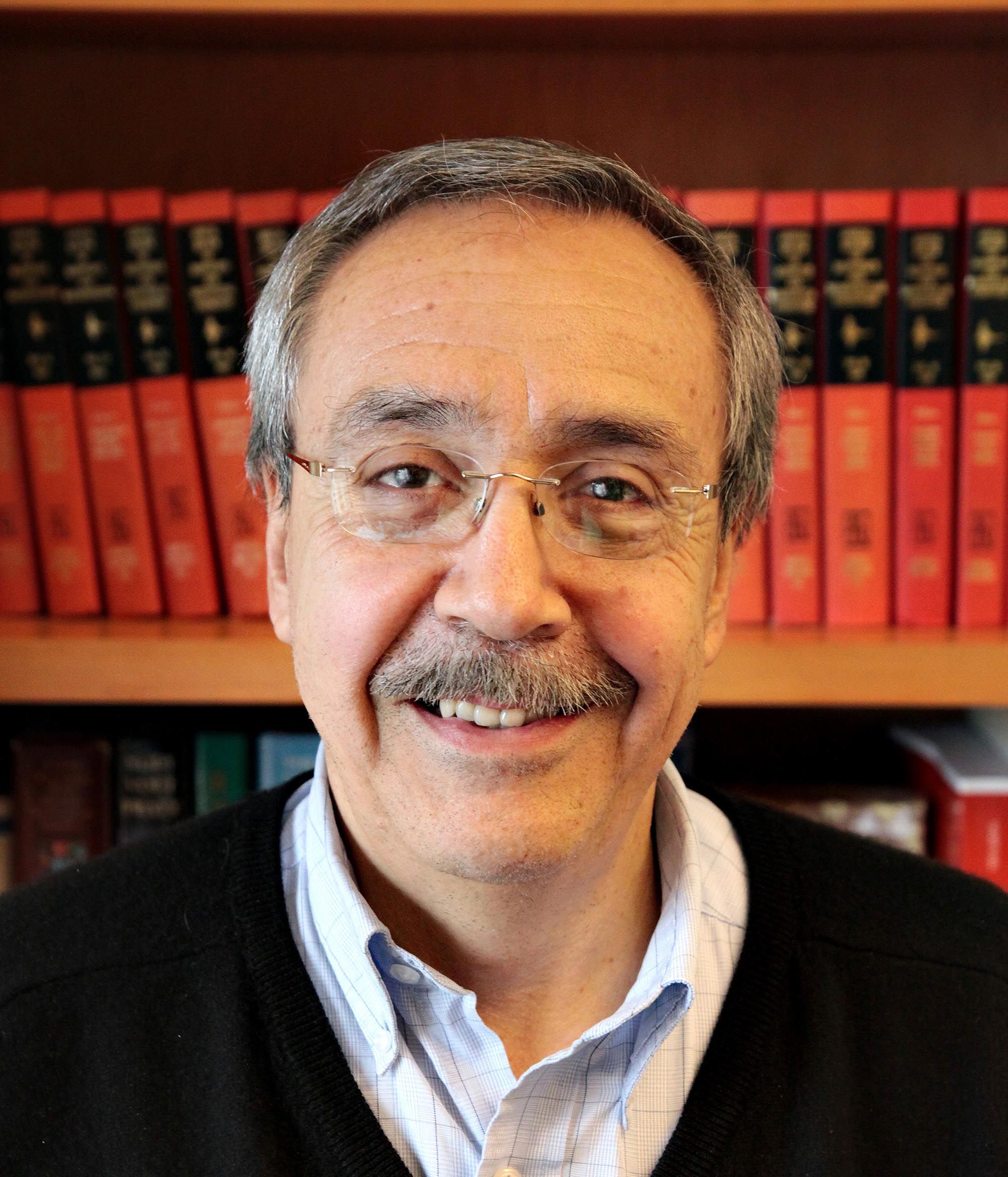
Carlos Bustamante, Ph.D., M.S.
Professor, Molecular and Cell Biology, Physics, Chemistry
Dr. Charles Whittaker is an Assistant Professor of Infectious Diseases and Vaccinology at Berkeley Public Health, where he directs the Pandemic and Epidemic Threat Analytics Lab (PETAL). His research focuses on the dynamics, detectability and control of pathogens with pandemic potential, and uses state-of-the-art analytical approaches spanning viral phylodynamics, epidemiological modelling and machine learning to uncover new insights into how pathogens spread through populations and to enhance preparedness and response strategies for public health emergencies. Central to this work is a focus on equity, addressing how the inequitable distribution of resources hinders effective outbreak response, and developing solutions to ensure everyone is protected from pandemic threats. Current research topics include projects on novel pathogen surveillance, the drivers of zoonotic spillover, and next-generation medical countermeasures such as broad-spectrum vaccines. This work is carried out in collaboration with scientists and public health professionals from Angola, Brazil, Colombia, Denmark, Ethiopia, Panama, Singapore, the UK, and the USA, and organizations including CEPI and the WHO. He is a founding member of the Machine Learning and Global Health Network and also a Field Epidemiologist—previously with the WHO (including deployment to the 2018–2020 North Kivu Ebola outbreak), and more recently with the UK’s Public Health Rapid Support Team.
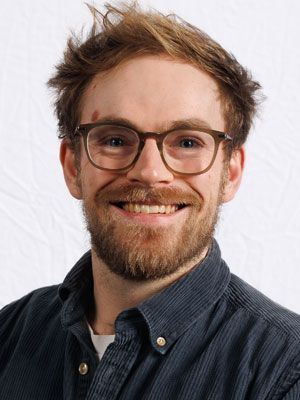
Charles (Charlie) Whittaker, Ph.D., M.Sc.
Assistant Professor, Infectious Diseases and Vaccinology, School of Public Health
Charlotte D. Smith is a faculty member of the University of California, Berkeley School of Public Health, and a Visiting Professor at the Universidad Jesuita de Guadalajara – Instituto Tecnológico y de Estudios Superiores de Occidente (ITESO). Her research interests include the microbial ecology and control of waterborne pathogens, and using geospatial statistics to explore the pathway from environmental exposures, including contaminated water, to acute and chronic diseases (e.g., diarrheal and/or kidney disease). Current community-based participatory research in Guadalajara focuses on access to water as a human right under UN Resolution 64-292. Dr. Smith teaches GIS and Spatial Analysis for Health Equity , and Applied GIS for Public Health. She enjoys mentoring graduate and undergraduate students. Dr. Smith holds a BS in Microbiology from the University of Michigan, an MAS in Spatial Analysis from the Johns Hopkins Bloomberg School of Public Health, an MA in Community Health from the City University of New York, and a Ph.D. in Environmental Health Sciences from the University of California, Berkeley. She is a member of the United Nations Global Geospatial Information Management – Academic Network of the Americas, GIS Latin America, and the Organization of American States – Pan American Institute for Geography and History. She received the John Leal Public Health Award in 2022, the Jorge Matute Remus Award in 2019, and the Zak Sabry Mentorship Award in 2016.
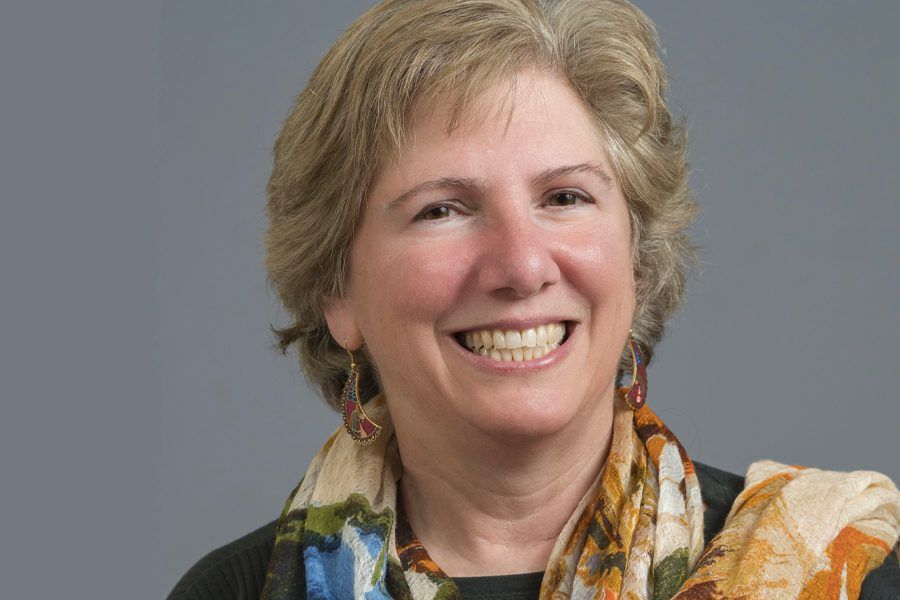
Charlotte Smith, Ph.D., M.A.S., M.A.
Lecturer, Environmental Health Sciences, School of Public Health
Daniel Fletcher is the Purnendu Chatterjee Chair in Engineering Biological Systems and a professor of Bioengineering. He joined the bioengineering faculty in 2002 and advanced from Associate Professor to Professor in mid 2010. He is also currently serving as Vice Chair for Bioengineering. His research interests include optical and force microscopy, microfabrication, mechanical properties of cells. The Fletcher Lab combines bioengineering, biophysics, and molecular biology to understand how cells move, communicate, and become diseased. The lab asks fundamental questions about how cells are assembled from their molecular components, as well as applied questions about how those components can be detected or modified to fight disease. This work often involves developing new experimental methods, microscopy techniques, and microfabricated tools. The group also uses theory and computation to guide experimental design and interpret data. Its research in mechanobiology, immunoengineering, and disease diagnostics is ultimately aimed at understanding how biological systems function at a mechanistic level in order to develop new strategies to improve health.
Daniel Fletcher, Ph.D., D.Phil.
Professor, Bioengineering
Daniel Nomura is a Professor of Chemical Biology and Molecular Therapeutics in the Department of Chemistry and the Department of Molecular and Cell Biology in the Division of Molecular Therapeutics at the University of California, Berkeley. He is the Co-Director of the Molecular Therapeutics Initiative and an Investigator at the Innovative Genomics Institute at UC Berkeley. He is also an Adjunct Professor in the Department of Pharmaceutical Chemistry at UCSF. Since 2017, he has been the Director of the Novartis-Berkeley Translational Chemical Biology Institute focused on using chemoproteomic platforms to tackle the undruggable proteome. He is Co-Founder of Frontier Medicines, a start-up company focused on using chemoproteomics and machine learning approaches to tackle the undruggable proteome. He is also a co-founder of Zenith Therapeutics focused on targeted protein degradation of undruggable targets. He is on the Scientific Advisory Boards for Frontier Medicines, Zenith, Photys Therapeutics, Apertor Pharma, Oerth Bio, Axiom Therapeutics, Ten30 Biosciences, and Deciphera. Nomura is also on the scientific advisory committees of The Mark Foundation for Cancer Research and American Association for Cancer Research (AACR). He is also an Investment Advisory Partner at a16z Bio+Health, an Investment Advisory Board member at Droia Ventures, and an iPartner with The Column Group. In 2025, Nomura also became the Editor-in-Chief for Molecular Cancer Therapeutics. He earned his B.A. in Molecular and Cell Biology in 2003 and Ph.D. in Molecular Toxicology in 2008 at UC Berkeley with Professor John Casida and was a postdoctoral fellow at Scripps Research with Professor Benjamin F. Cravatt before returning to Berkeley as a faculty member in 2011. Among his honors are the National Cancer Institute Outstanding Investigator Award, Searle Scholar, and the Mark Foundation for Cancer Research ASPIRE award.
Daniel Nomura, Ph.D.
Professor, Chemistry, Molecular and Cell Biology
Research in the Graves group focuses on the fundamentals and applications of weakly to partially ionized gases, or plasmas, to technological problems, primarily in the microelectronics industry. These plasmas operate at relatively low gas temperatures - around room temperature - and are therefore quite different from the hot, usually strongly magnetized plasmas in stars or that are used in thermonuclear fusion and weapons applications. The key problems in this field are related to the coupling of the chemically reactive neutral gas and electrons and ions that make up the plasma. This is especially true at surfaces exposed to the plasma. Indeed the primary applications of interest to the Graves group are related to interactions between the plasma and its bounding surfaces.
David Graves, Ph.D., M.S.
Professor Emeritus, Chemical and Biomolecular Engineering
David I. Levine is a professor of business administration at Berkeley Haas and serves as chair of the Economic Analysis & Policy Group. Levine’s research focuses on understanding and overcoming barriers to improving health in poor nations. This research has examined both how to increase demand for health-promoting goods such as safer cookstoves and water filters, and how to change health-related behaviors such as handwashing with soap. He has also written extensively on organizational learning (and failures to learn).
David Levine, Ph.D., A.M.
Professor, Haas School of Business
Dr. Raulet's laboratory is dedicated to understanding recognition by natural killer cells and T cells, and is developing approaches to mobilize NK cells therapeutically against cancer. He is a world expert in cancer immunology and NK cell biology. His laboratory has made fundamental contributions to our understanding of both recognition by NK cells and immunoregulation of these important cytotoxic cells, in both cancer and viral infections. His findings have led to new understanding of requirements for pre-activating the cells, their modes of inhibition and processes of desensitization that occur in tumors. These findings, in turn, have enabled the development of new approaches to pre-activate NK cells for maximal NK killing of tumor cells, methods to block inhibition of NK cells, and approaches to reverse desensitization of NK cells, all of which have potential for immunotherapy of cancer. He has demonstrated efficacy of several of these approaches in various models of cancer in mice and pursues translation of these findings for treatments of human cancer.
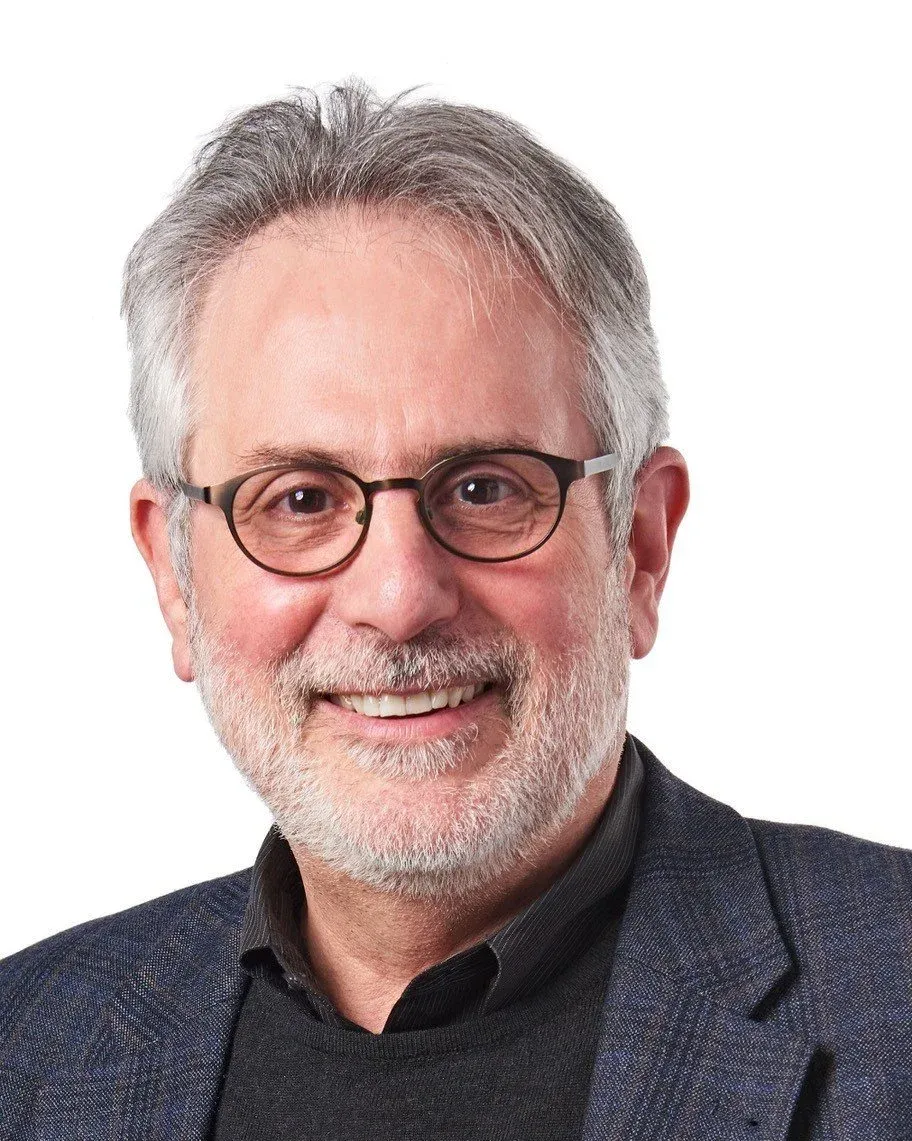
David Raulet, Ph.D.
Distinguished Professor, Molecular and Cell Biology
David Schaffer is the Hubbard Howe Professor of Chemical and Biomolecular Engineering, Bioengineering, and Molecular and Cell Biology at the University of California, Berkeley, and he also serves as Director of QB3 and Bakar Labs. He completed his B.S. in chemical engineering at Stanford University in 1993, his Ph.D. in chemical engineering at MIT in 1998, and a postdoctoral fellowship at the Salk Institute for Biological Studies in 1999 before joining Berkeley in 1999. There, he applies engineering principles to optimize gene and stem cell therapies, work that includes developing the concept of applying directed evolution to engineer targeted and efficient viral gene therapy vectors as well as new technologies to investigate and control stem cell function. He has published >250 papers, has advised >90 graduate students and postdoctoral fellows, is an inventor on >50 issued patents, and developed technologies that are being used in 9 human clinical trials. In addition, he has co-founded eight companies, including 4D Molecular Therapeutics (NASDAQ FDMT), Ignite Immunotherapies (acquired by Pfizer) and Rewrite (acquired by Intellia). Finally, he has received recognitions including the National Academy of Engineering, National Academy of Inventors, Andreas Acrivos Professional Progress Award, the American Institute of Chemical Engineers Pharmaceutical and Bioengineering Award, the American Chemical Society Marvin Johnson Award, the Biomedical Engineering Society Rita Shaffer Young Investigator Award, and others.
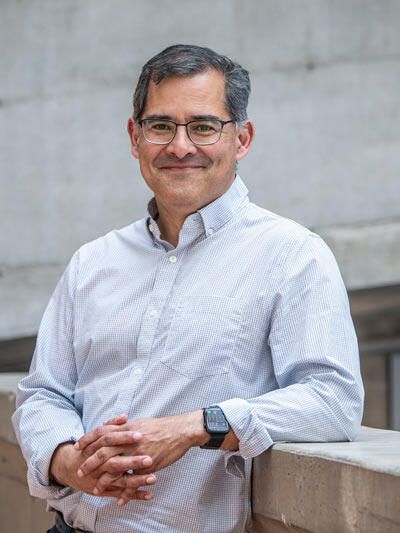
David Schaffer, Ph.D.
Professor of Chemical and Biomolecular Engineering, Bioengineering, and Molecular and Cell Biolog
Dr. Dean’s research involves in vitro and bioinformatic approaches to study the obligate intracellular bacterium Chlamydia trachomatis infection and disease among human populations by evaluating host-pathogen interactions, bacterial functional genomics, host immune responses and microbiomes, including their metabolic pathways and resistomes. Her group was the first to identify genomic recombination in this human pathogen. The Dean lab also studies the evolution of zoonotic chlamydial species. Professor Dean’s international research focuses on trachoma and sexually transmitted disease populations in Nepal, India, Ecuador, Thailand, Vietnam and Fiji. In addition, her group collaborates with Bay Area biotech start-ups to develop vaccines and rapid inexpensive point-of-care diagnostics for C. trachomatis and Neisseria gonorrhoeae for global deployment. She has a track record of 35 years of uninterrupted R01 funding from the National Institutes of Health in addition to grants from the U.S. Centers for Disease Control, World Health Organization and the National Science Foundation. She has also mentored over 170 national and international undergraduate, graduate and medical students, and postdoctoral fellows who have gone on to university professorships and positions at institutes of health and centers for disease control throughout the world. Dr. Dean remains an advocate for ocular and reproductive health among vulnerable and neglected populations worldwide.
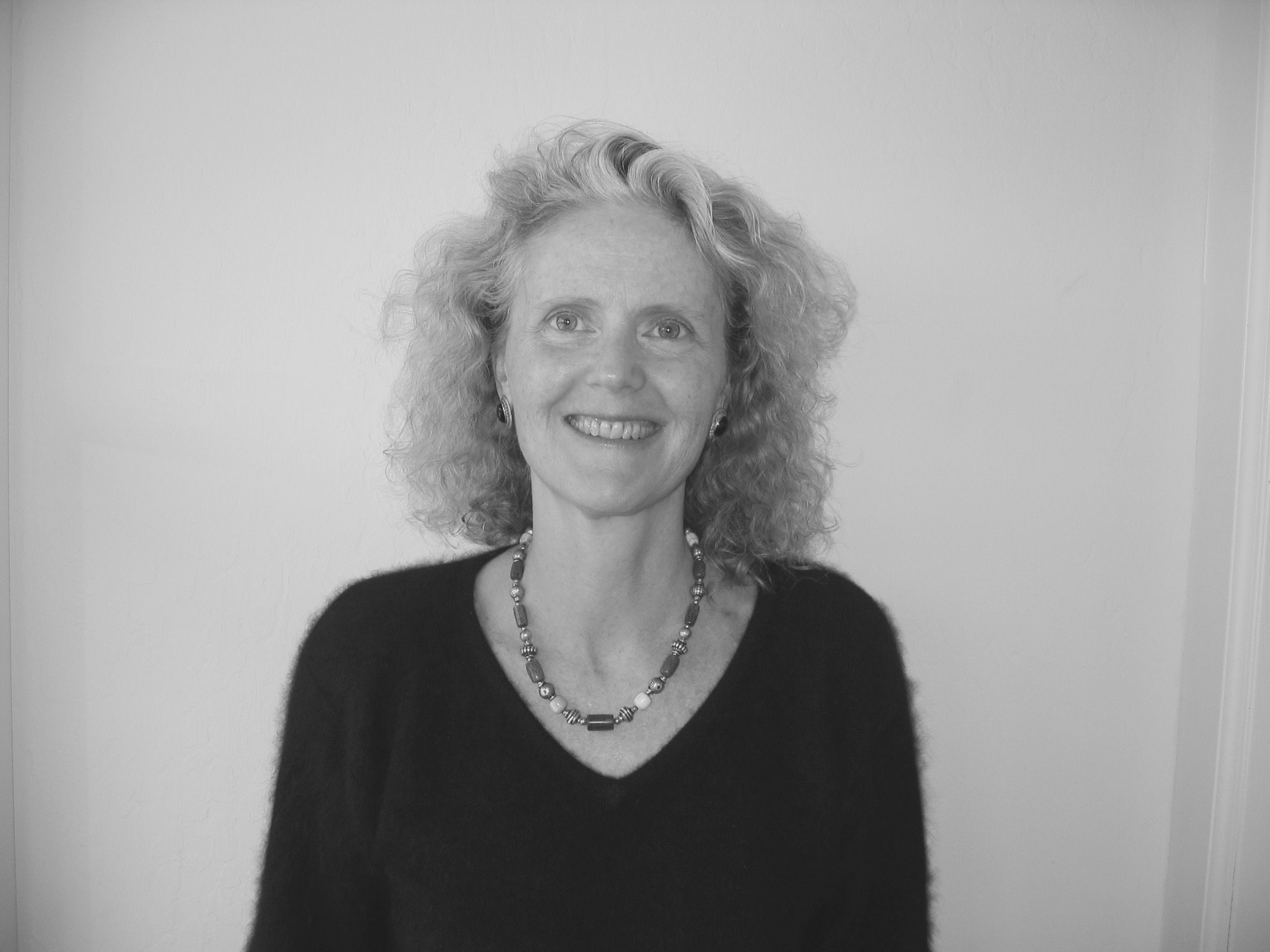
Deborah Dean, M.D., M.P.H.
Professor of Medicine and Pediatrics, UCSF
Dorian Liepmann joined the Mechanical Engineering faculty in 1992 and moved to the newly created Bioengineering Department in 1998. He served as the second Chair from 2004 - 2009 and is currently serving as Vice Chair for the professional masters programs in bioengineering. His research is focused on the development of novel approaches for improved health care including MEMS-based biosensors and drug delivery systems. He is an authority on bio-MEMS and micromachines related to fluid mechanics.

Dorian Liepmann, Ph.D., M.S.
Professor, Bioengineering, Mechanical Engineering
Ellen Robey is a Professor of Immunology and Molecular Medicine. The Robey Lab is interested in how signaling pathways control cell fate decisions. By using T cell development and immune responses in the mouse as model systems, they can take advantage of the powerful genetic approaches available in the mouse, while learning about a mammalian immune system that is very close to our own. The lab also makes extensive use of 2-photon imaging approaches to observe and analyze T cell behavior in real-time in situ.
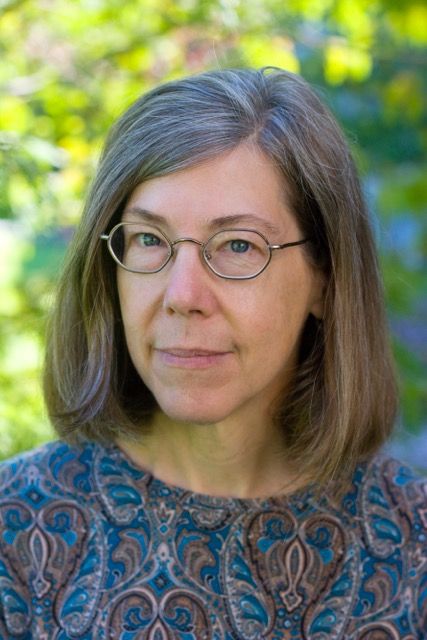
Ellen Robey, Ph.D.
Professor, Molecular and Cell Biology
Dr. Eva Harris is a Professor in the Division of Infectious Diseases, Director of the Center for Global Public Health, and Chair of the Infectious Diseases and Immunity Graduate Group in the School of Public Health at UC Berkeley. She has developed a multidisciplinary approach to study the molecular virology, pathogenesis, immunology, epidemiology, diagnostics, clinical aspects and control of dengue, Zika and chikungunya, the most prevalent mosquito-borne viral diseases in humans. Her work addresses immune correlates of protection and pathogenesis, viral and host factors that modulate disease severity, and virus replication and evolution, using in vitro approaches, animal models, and research involving human populations. One major focus is on studies of arboviral disease in humans, including antibody and B cell responses and correlates of protection, systems immunology profiling of the innate response, diagnostics and seroprevalence studies, and viral evolution, fitness, and intrahost diversity. Another focus is viral pathogenesis, specifically the role of flavivirus NS1 protein in endothelial permeability, vascular leak, and viral dissemination. Recently, she extended this approach to new studies on COVID-19 pathogenesis, therapeutics, epidemiology and seroprevalence both locally and internationally. Her international work focuses on laboratory-based and epidemiological studies of dengue, chikungunya, Zika, as well as influenza and COVID-19, in endemic Latin American countries, particularly in Nicaragua through close collaborations for over 30 years. Ongoing projects in Nicaragua include clinical and biological studies of severe dengue, a pediatric cohort study and household transmission studies of dengue, Zika, chikungunya in Managua. Dr. Harris has published over 330 peer-reviewed articles, as well as a book on her international scientific work. In 1997, she received a MacArthur Award for work over the previous ten years developing programs to build scientific capacity in developing countries to address public health and infectious disease issues. This enabled her to found a non-profit organization in 1998, Sustainable Sciences Institute (SSI), with offices in San Francisco and Nicaragua to continue and expand this work worldwide.
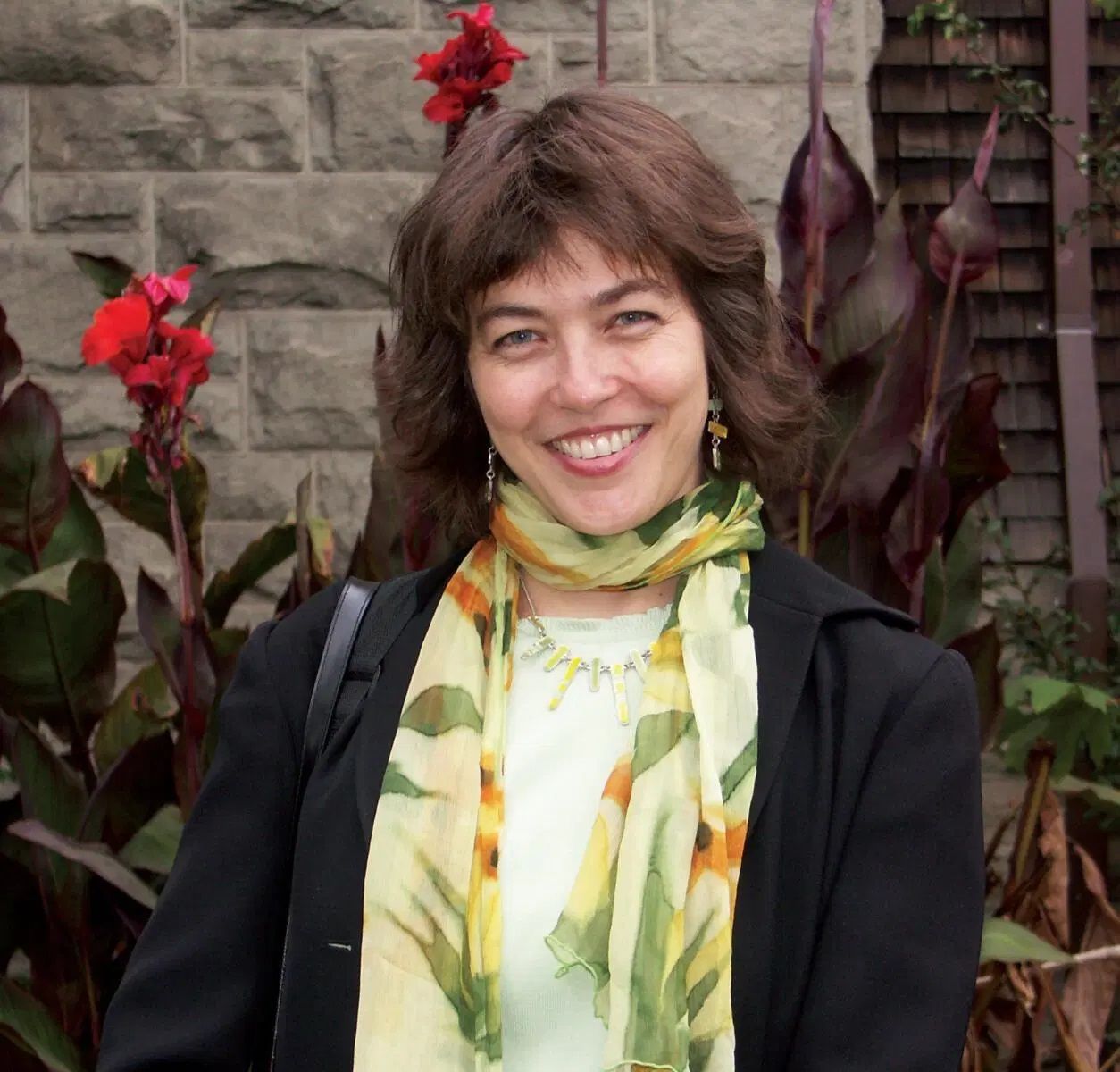
Eva Harris, Ph.D.
Professor, Infectious Diseases and Vaccinology, School of Public Health
Dr. Raphael is a family physician and clinician investigator in the Departments of Epidemiology & Biostatistics and Family & Community Medicine at the University of California, San Francisco. Her research interest focuses on the social and environmental drivers of community-onset drug-resistant bacterial infections. She studies one of the most common infections of women—urinary tract infections (UTI)--using infectious disease, social, and spatial epidemiology methods. Her other projects include studying disease burden in immigrant populations and social inequities associated with COVID-19 infections. She has a primary care practice at the Family Health Center, San Francisco General Hospital.
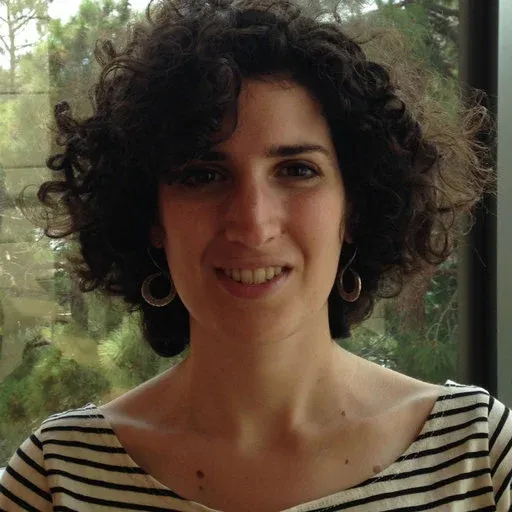
Eva Raphael, M.D., M.P.H.
Assistant Professor, Epidemiology & Biostatistics, UCSF
Fenyong Liu was born and raised in Guangzhou, China during the Cultural Revolution. Early on in life he knew that he wanted to pursue science as his career, learning English during junior high school and having influential teachers while attending high school in Guangzhou. After passing the university entrance examinations, Liu matriculated at the prestigious University of Science and Technology of China. Initially he decided to pursue physics, but then transferred to the biology program after two years of study. Encouraged by his professors, Liu decided to attend graduate school in the United States at the University of Chicago, briefly spending time in the Medical School before transferring into the Biochemistry and Molecular Biology program, where he worked with Richard Roller and Bernard Roizman. While his initial research focused on the biochemistry of viral DNA replication, Liu focused in the last years of his doctoral study on the genetics of the herpes virus capsid protein; his research resulted in a patent and created intense interest from the pharmaceutical industry. He followed up his graduate research with postdoctoral positions at Bristol-Myers Squibb Pharmaceutical Research Institute and Yale University, where he worked with Sidney Altman on the inhibition of antiviral gene expression. His current research in molecular biology and virology has focused on cytomegalovirus infection.
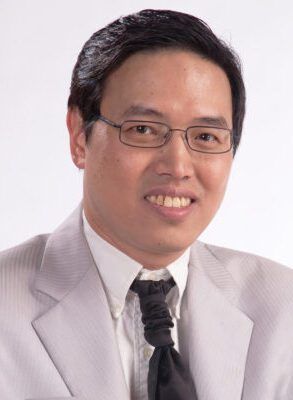
Fenyong Liu, Ph.D., M.S.
Professor, Infectious Diseases and Vaccinology, School of Public Health
Dr. Filipa Rijo-Ferreira is an Assistant Professor of Infectious Diseases and Vaccinology at Berkeley Public Health with a joint appointment in the Molecular and Cell Biology Department, Immunology and Molecular Medicine division. Malaria major symptom is its rhythmic fevers. Rijo-Ferreira’s research addresses how daily rhythms of hosts, vectors and parasites define the outcome of parasitic diseases such as malaria and sleeping sickness. The Rijo-Ferreira Lab combines molecular parasitology, mosquito development and immunology and neuroscience to ask questions about the role of circadian rhythms in the evolution and pathogenesis of parasitic infections. Circadian rhythms provide an advantage to organisms from bacteria to humans, thus a deeper understanding of the daily biology of parasites will enable design of effective interventions. Rijo-Ferreira is a NIH Pathway to independence award recipient, a Chan Zuckerberg BioHub Investigator and a 2023 Searle Scholar.
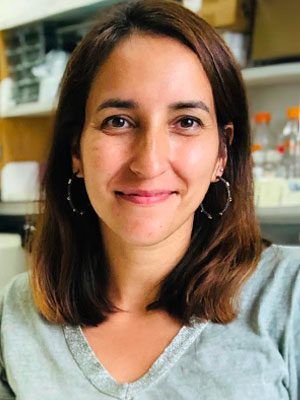
Filipa Rijo-Ferreira, Ph.D., M.Sc.
Assistant Professor, Infectious Diseases and Vaccinology and Assistant Professor, Molecular and Cell Biology
Greg Barton's training and expertise are in the areas of immunology, microbiology, cell biology, and mouse genetics. Research in his lab focuses on microbial detection by the innate immune system and how innate immunity links to adaptive immunity. As a graduate student in Alexander Rudensky’s lab he developed new transgenic mouse strains to address the importance of MHC-bound self-peptides in T cell selection (Barton and Rudensky Science 1999; Barton et al PNAS 2002). Through this training he gained expertise in cellular immunology, T cell biology, and antigen presentation. For his postdoctoral training he worked in Ruslan Medzhitov’s lab, where his work focused on innate immunity. He carried out the first studies demonstrating the importance of Toll-like receptors (TLRs) in controlling induction of adaptive immunity (Schnare*, Barton* et al Nature Immunology 2001). He also began studying how TLRs with specificity for nucleic acids avoid responses to self DNA and RNA (Barton et al Nature Immunology 2006). Both of these topics continue to interest him and his group at Berkeley. Professor Barton's lab is known for, among other things, its discoveries of new mechanisms regulating self versus non-self discrimination by TLRs. His research team showed that nucleic acid sensing TLRs require ectodomain processing, which reinforces compartmentalized ligand recognition (Ewald et al Nature 2008; Ewald et al JEM 2011; Mouchess et al Immunity 2011). His group has also characterized key aspects of TLR trafficking which can have profound impacts on receptor function (Lee et al eLIFE 2013). Another area of study focuses on host-microbe interactions, where the lab's work has uncovered key principles regulating interactions with pathogens (Arpaia et al Cell 2011; Sivick et al Cell Host Microbe 2014) and with the microbiota (Koch et al Cell 2016; Ansaldo et al Science 2019). Professor Barton's ongoing work continues to explore mechanisms of self versus non-self discrimination, host-microbe interactions, and the mechanisms by which innate immunity regulates adaptive immunity.
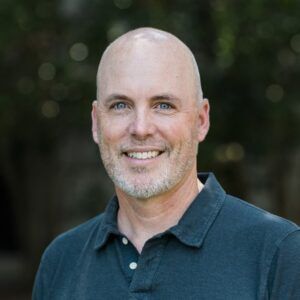
Gregory Barton, Ph.D.
Professor, Molecular and Cell Biology
The Holmes Lab brings techniques from machine learning, statistical linguistics, phylogenetics, and web development to bear on the interpretation and analysis of genomic data. Particular areas of interest include the development of basecalling and analysis software for nanopore sequencing; phylogenetic reconstruction using Bayesian approaches; the use of deep learning to predict and design protein structures; and the development of modern JavaScript user interfaces, backed by fast indexing and in-browser AI, to maximize the impact of genome sequences and annotations.

Ian Holmes, Ph.D.
Professor, Bioengineering
The interplay between proteins and membrane lipids is central to almost every aspect of cell biology. The Hurley laboratory is interested in fundamental questions of how the interactions between proteins and membranes determine cell and organelle shape and the evolution of shape over time, how protein-membrane interactions turn on and off the signals that control essential cell processes, and how pathogens such as HIV-1 subvert and co-opt these interactions. The lab philosophy is to use a battery of powerful approaches to uncover molecular mechanism. This might mean cryoelectron microscopy, x-ray crystallography, single molecule spectroscopy, mass spectrometry, biochemical reconstitution, or live-cell imaging. Training in the Hurley lab entails both a buy-in to our interdisciplinary approach and mastery of at least two different major technical disciplines. The lab culture combines rigorous critical thinking and a willingness to tackle hard problems, with a climate of cooperation, inclusion, trust and service to our communities.
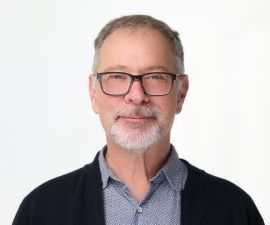
James Hurley, Ph.D., M.S.
Professor, Molecular and Cell Biology
The Cate Lab explores how genes are put into action by translation. Translation is the universal process of protein synthesis, in which the ribosome translates the four-letter genetic code in messenger RNA into the twenty-letter code of proteins. The lab also works on strategies for making new sequence defined polymers using engineered ribosomes.
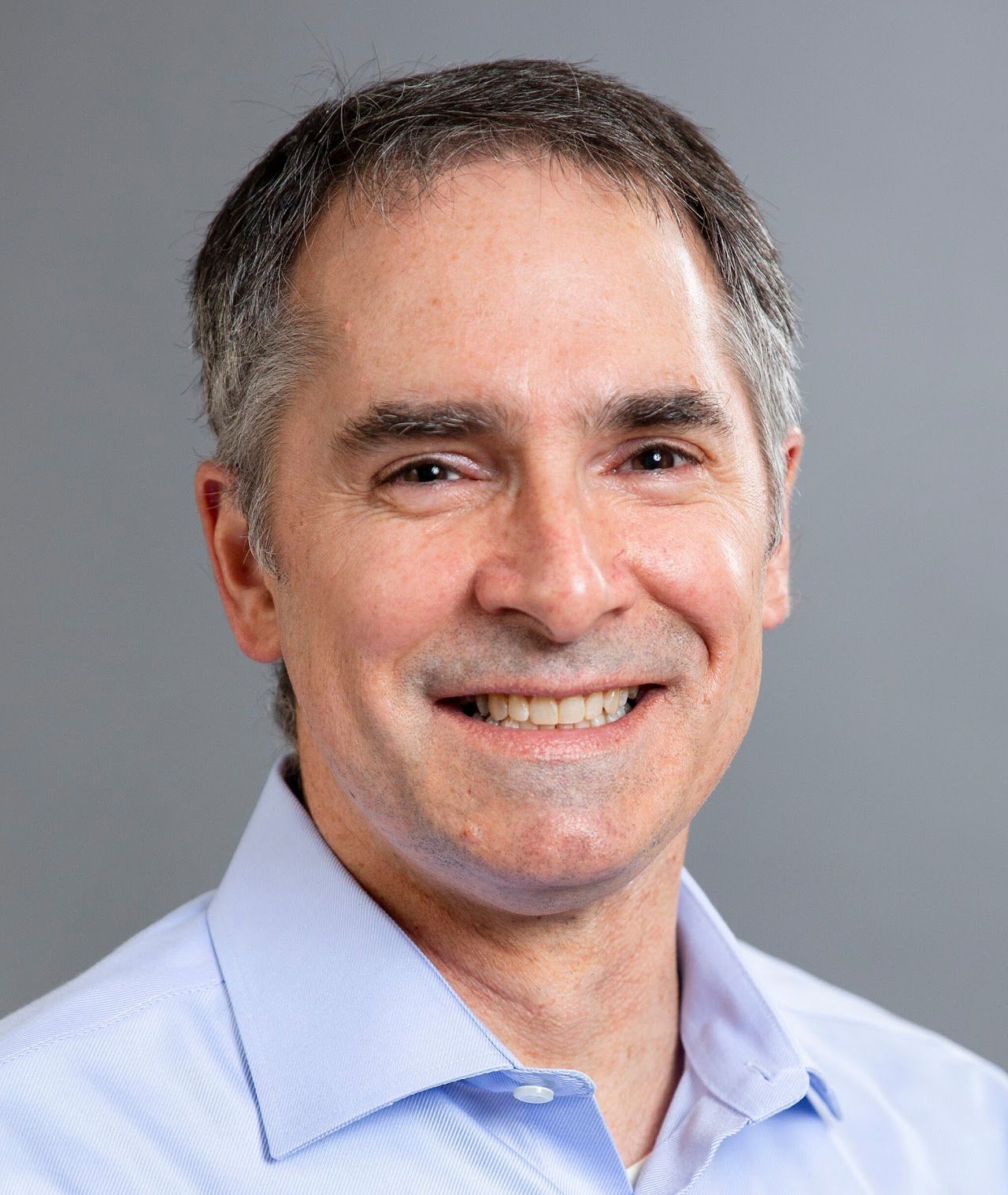
Jamie Cate, Ph.D., M.S.
Professor, Molecular and Cell Biology, Chemistry
Jay Keasling is a pioneer in engineering microbes and metabolism. During the early 2000s, Jay led a UC Berkeley research team to use engineered yeast to synthetically produce artemisinin, the powerful anti-malarial drug. Researchers at the Keasling Lab are now using the same technology to produce other pharmaceuticals, commodity chemicals, and cellulosic biofuels.
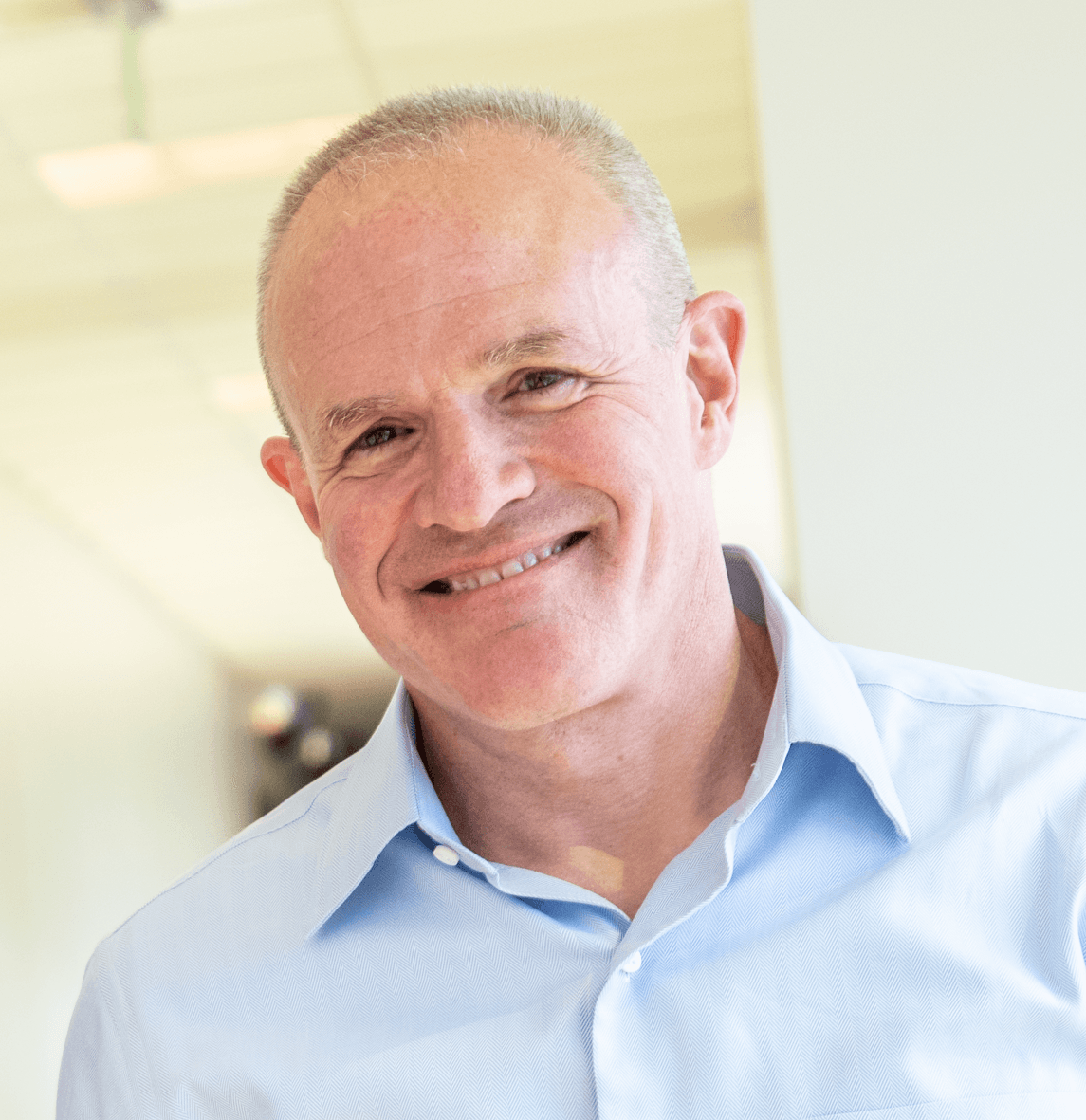
Jay Keasling, Ph.D., M.S.
Professor, Chemical and Biomolecular Engineering, Bioengineering
Dr. Joel Ernst’s lab focuses on immunity to tuberculosis (TB) with the goal of informing the rational design and development of new TB vaccines. The group conducts basic studies on mechanisms of immunity and immune evasion in TB, using mouse models. In addition, the lab investigates human immunity to TB and has discovered that, unlike pathogens that use antigenic variation to evade immunity and establish persistent infection, the human T cell antigens and epitopes of Mycobacterium tuberculosis are highly conserved—even among strains that diverged from a common ancestor thousands of years ago. More recently, the team has identified rare M. tuberculosis antigens that show evidence of diversifying selection and has begun studies to test the hypothesis that T cell responses to these variable antigens are associated with superior protective immunity compared to responses targeting conserved antigens. Dr. Ernst’s work on human immunity to TB spans multiple continents and involves numerous collaborators at UCSF as well as partner institutions across the United States and internationally.
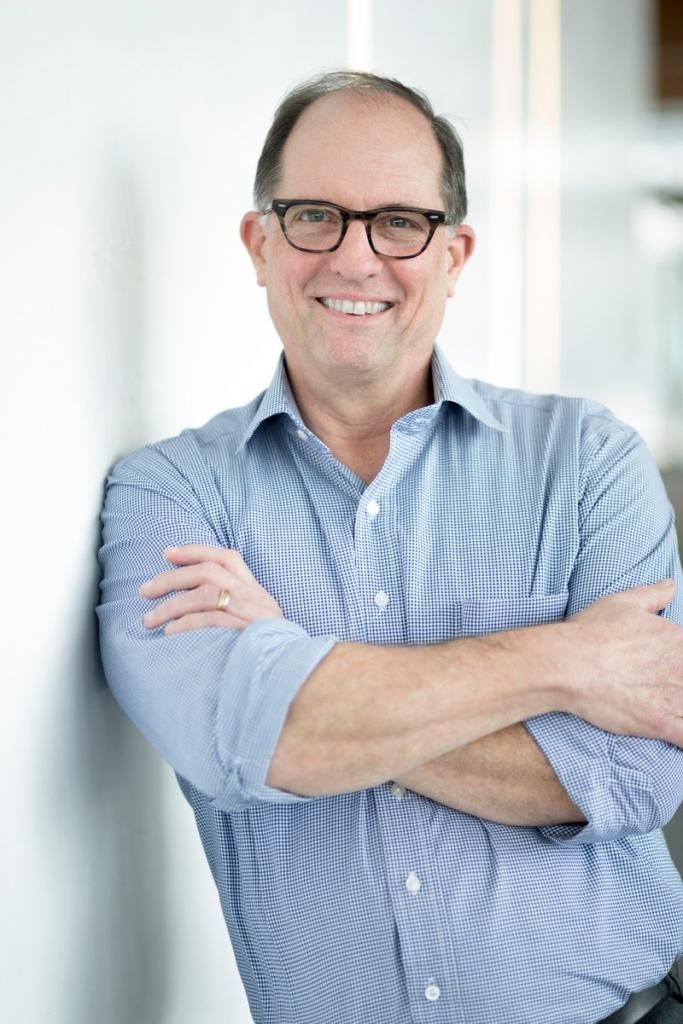
Joel Ernst, M.D.
Professor, Department of Medicine, UCSF
John Huelsenbeck is a professor of Integrative Biology at UC Berkeley. He is a computational and evolutionary biologist whose research focuses primarily on using phylogenetic analysis to reconstruct a genealogical history of life by comparing DNA samples. His research uses Bayesian inference to address questions about relationships among various species, evolution, and adaptation.
John Huelsenbeck, Ph.D.
McCreight Chancellor’s Chair in Computational Biology, Professor, Integrative Biology
John M. Colford Jr. is a Professor of Epidemiology in the School of Public Health at UC Berkeley. He trained at Johns Hopkins (MD); Stanford (Chief Medical Resident); UCSF (residency in Internal Medicine and fellowships in ID and HIV/AIDS); and UC Berkeley (Epi PhD). He has served as the Principal Investigator for numerous randomized field trials and observational studies evaluating the impact of water, sanitation and hygiene interventions in India, Bolivia, Guatemala, Bangladesh, Kenya, Mexico and the United States. He teaches courses each year at UC Berkeley on Epidemiologic Methods, the Design of Randomized Controlled Trials, and on Impact Evaluation for Health Professionals. He is an attending physician in Infectious Diseases at the UCSF/VA Medical Center in San Francisco.
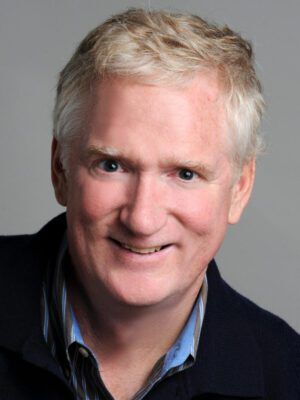
John (Jack) Colford, M.D., Ph.D., M.P.H.
Professor Emeritus, Epidemiology, School of Public Health
The J. Taylor Lab studies the pattern and process of fungal evolution. They started by studying the pattern of evolution in terms of species and populations and now have begun to study the process. Their long term goal is to make fungi the best models for evolutionary biology. They focus on the key evolutionary event that forms the tree of life: speciation. Recently they have documented species divergences, compared phylogenetic and biological methods of species recognition, addressed the timing of species divergence, and evaluated selection acting on potentially adaptive genes. Now, they are using genetics and genomics to find genes that maintain species and facilitate adaptation
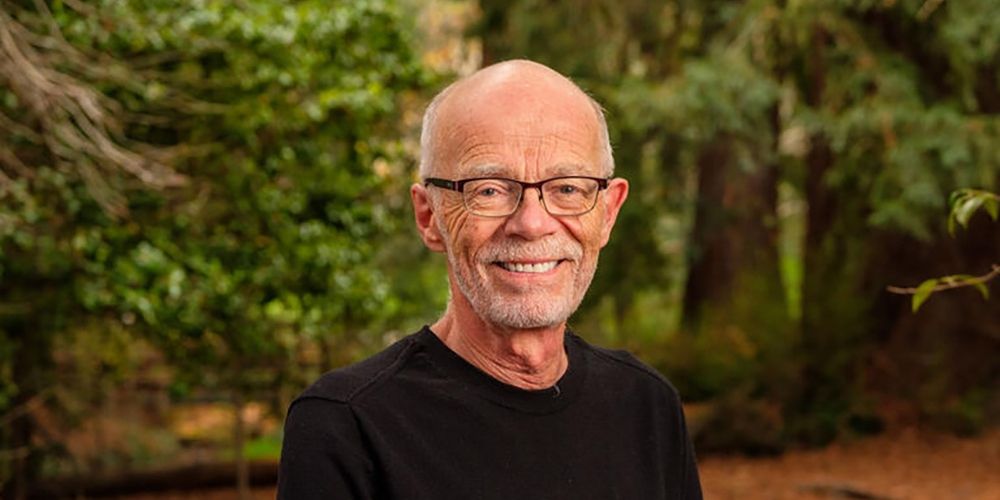
John Taylor, Ph.D.
Professor, Plant and Microbial Biology
Dr. Jorge Salinas is an Assistant Professor of Medicine (Infectious Diseases) at the Stanford University School of Medicine and a healthcare epidemiologist whose work focuses on understanding and preventing infectious diseases in healthcare settings and communities. He also serves as Medical Director of the Infection Prevention and Control Program at Stanford Health Care. Dr. Salinas’ research centers on how antimicrobial resistance is transmitted within healthcare facilities and across communities. He is particularly interested in leveraging innovative approaches, including artificial intelligence, to develop advanced surveillance systems for healthcare-associated infections. His work aims to improve detection, prevention, and response strategies to emerging infectious threats. Trained in medicine in Peru, Dr. Salinas completed his residency at the University of Alabama at Birmingham and a fellowship in infectious diseases at Emory University, followed by service in the Epidemic Intelligence Service at the Centers for Disease Control and Prevention. Through his clinical, research, and leadership roles, Dr. Salinas contributes to advancing infection prevention, strengthening public health systems, and addressing the global challenge of antimicrobial resistance.
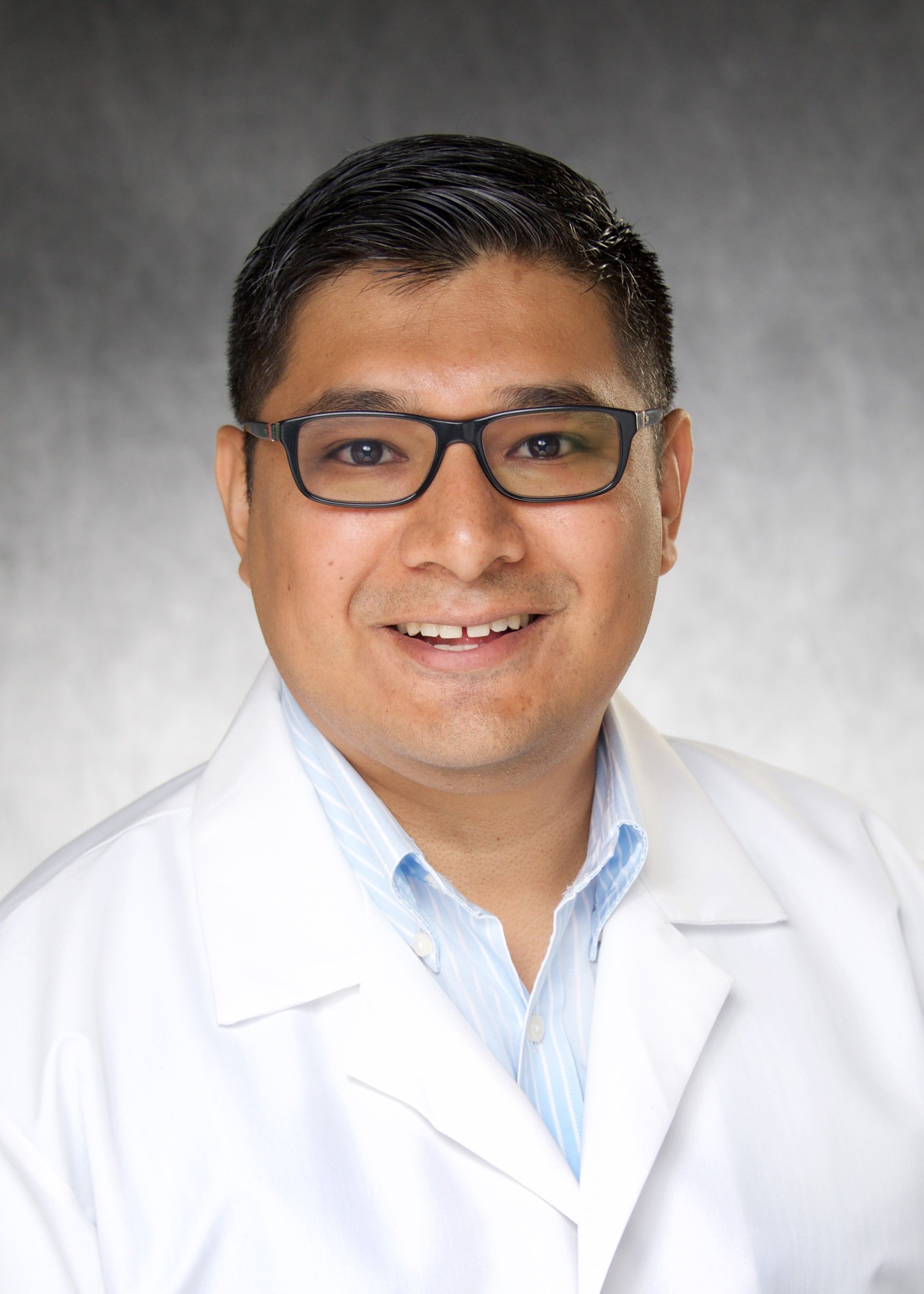
Jorge Salinas, M.D.
Assistant Professor of Medicine, Medical Director of Infection Prevention and Control, Stanford Medicine
Dr. Coloma has worked in transferring scientific capacity to Latin America since 1993. She has a BS in Biology from the Catholic University in Quito, Ecuador and a PhD in Microbiology and Molecular Genetics from the University of California, Los Angeles. She co-funded the Sustainable Sciences Institute (SSI), served on its Board of Directors since 2000 and is its Executive Director since 2008. She is Faculty Researcher (Project Scientist) in the Division of Infectious Diseases and Vaccinology, School of Public Health, at the University of California Berkeley where she has been Co-investigator and Principal Investigator working in close collaboration with Dr Eva Harris for almost two decades. Dr Coloma works with international field teams in all research aspects: from study design, compliance to implementation and management. Her research has covered dengue and zika studies involving clinical, epidemiological, community-based and information technology for health projects in Nicaragua and Ecuador. Currently she directs a community based implementation project to mobilize residents against Aedes aegypti, the main vector for Arbovirus transmission, with the use of ICTs. In addition, she has served as advisor to Ministries of Health in Central and South America, the Organization of American States, WHO and is currently a member of the Advisory Committee in Health Research for the Pan American Health Organization.
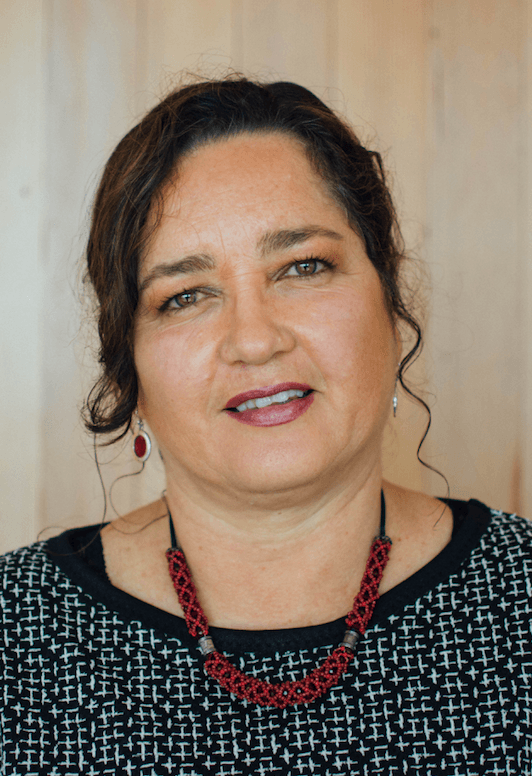
Josefina Coloma, Ph.D.
Executive Director, Sustainable Sciences Institute
Joseph Lewnard is an associate professor of Epidemiology at the School of Public Health at the UC Berkeley. He studies the transmission dynamics of infectious disease agents and the effectiveness of interventions such as vaccination. He uses mathematical and statistical modeling and collaborates closely with investigators leading field studies and disease surveillance. Much of his work centers around the impact of pneumococcal conjugate vaccines against disease caused by Streptococcus pneumoniae in both high- and low-income settings. Additional projects address the impact of existing pediatric vaccines, and those in development, against antibiotic use and resistance.
Joseph Lewnard, Ph.D.
Associate Professor, Epidemiology, School of Public Health
Dr. Julia Schaletzky is the Executive Director of the Molecular Therapeutics Initiative and the founder of the Drug Discovery Center at UC Berkeley. Originally from Germany, she trained as a Biochemist at Bayreuth University and completed her diploma thesis in the laboratory of Prof. Francis Barr at the Max-Planck-Institute of Biochemistry in Martinsried, Germany. Dr. Schaletzky then went abroad to obtain her PhD in the laboratory of Prof. Tom Rapoport at Harvard Medical School/HHMI. Interested in applied science, Dr. Schaletzky joined a biotechnology company, Cytokinetics. There, she developed first-in-class therapies for heart disease and neurodegenerative disorders, with several molecules in late-stage clinical trials or FDA approved. Dr. Schaletzky and her team discovered the starting points for first-in-class HCM drug mavacamten (Camzyos®) and aficamten, making treatment of a previously intractable disease possible. In her role at UC Berkeley, she focuses on interdisciplinary approaches and public/private partnership for the discovery and development of new therapies and tools for unmet medical needs, on translational science and entrepreneurship. Dr. Schaletzky is also a Professor of Molecular Therapeutics (Adj.) and a lecturer at the Haas School of Business, teaching Bioentrepreneurship, Bioethics, and Access to Medicines. She has received NIH-funded grants to support underrepresented minorities and women in STEM in the U.S. and ran a program in Uganda to build local research capacity in her previous role at the Center for Emerging and Neglected Diseases. Dr. Schaletzky is broadly interested in drug discovery, development and regulation, bioethics, the philosophy and history of science, and the governance of processes that determine access to care.
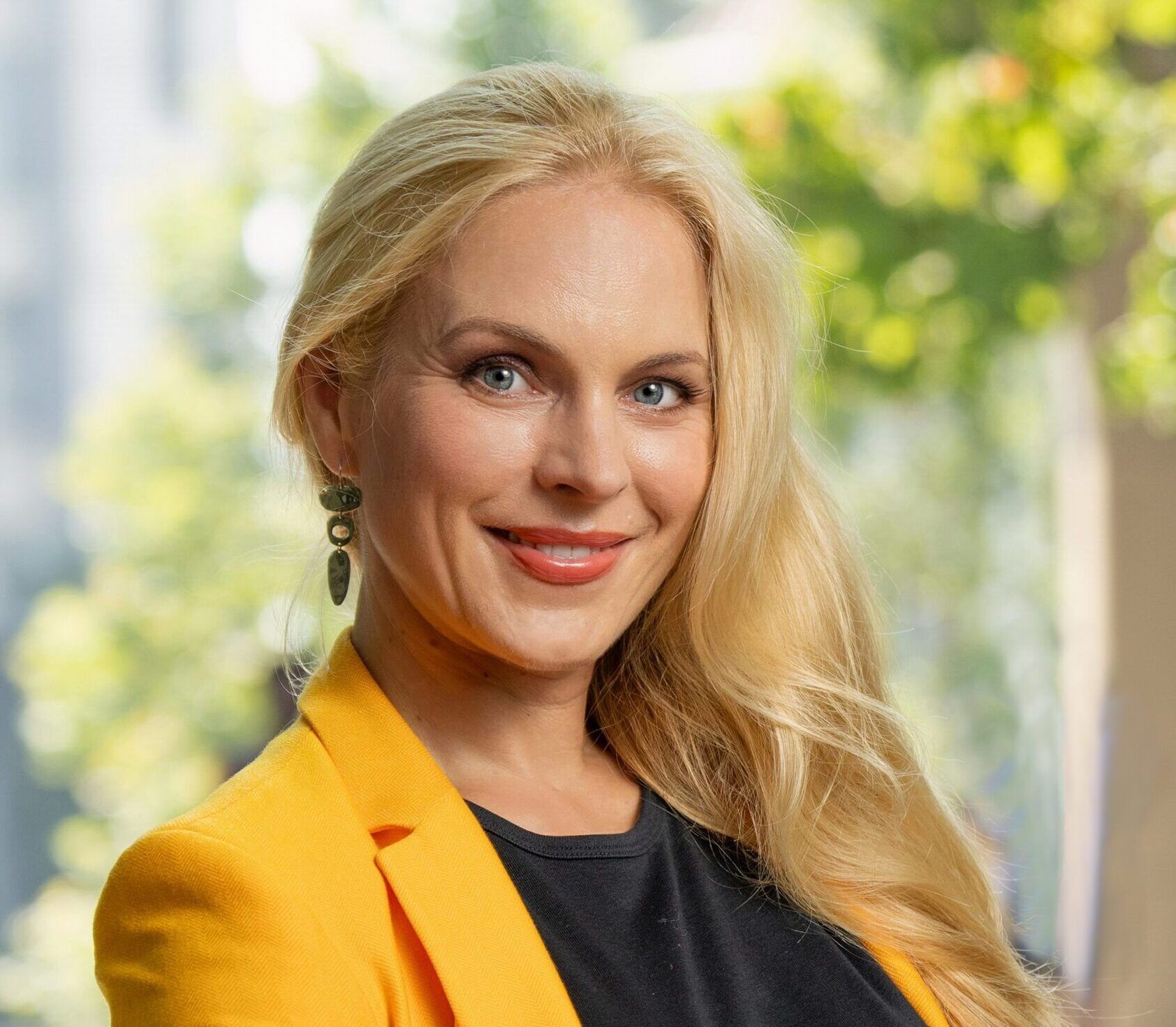
Julia Schaletzky, Ph.D., M.Sc.
Executive Director, Molecular Therapeutics Initiative
With over nearly four decades as a public health profession, Julia Walsh has extensive experience in evaluating cost-effectiveness of technologies and interventions for decreasing neonatal, infant, child and maternal health such as universal health insurance, vaccines, social franchise systems, and mobile phone apps. She has conducted research in more than 20 poor and middle income countries in Africa, Asia, and Latin America. Her research focuses on developing and testing innovative public and private sector solutions to improve health among the poorest population and promoting the widespread market penetration of evidence-based health interventions. She has conducted an analysis of the market feasibility, costs, and cost-effectiveness of the new method of fortification of rice with multivitamins in Columbia and India and a cost effectiveness of improvements in health information systems to enhance information based decision-making in poor countries. Julia also has considerable experience with many international agencies as a consultant or expert advisor. She has spent much of her academic career preparing the next generation of global public health professionals. More recently, she has linked the digital world with her efforts in the medical community and is a founder of Emmunify, a non-profit started with the goal to use technology to connect individuals in low income areas who need vaccinations with those who can supply and provide them.
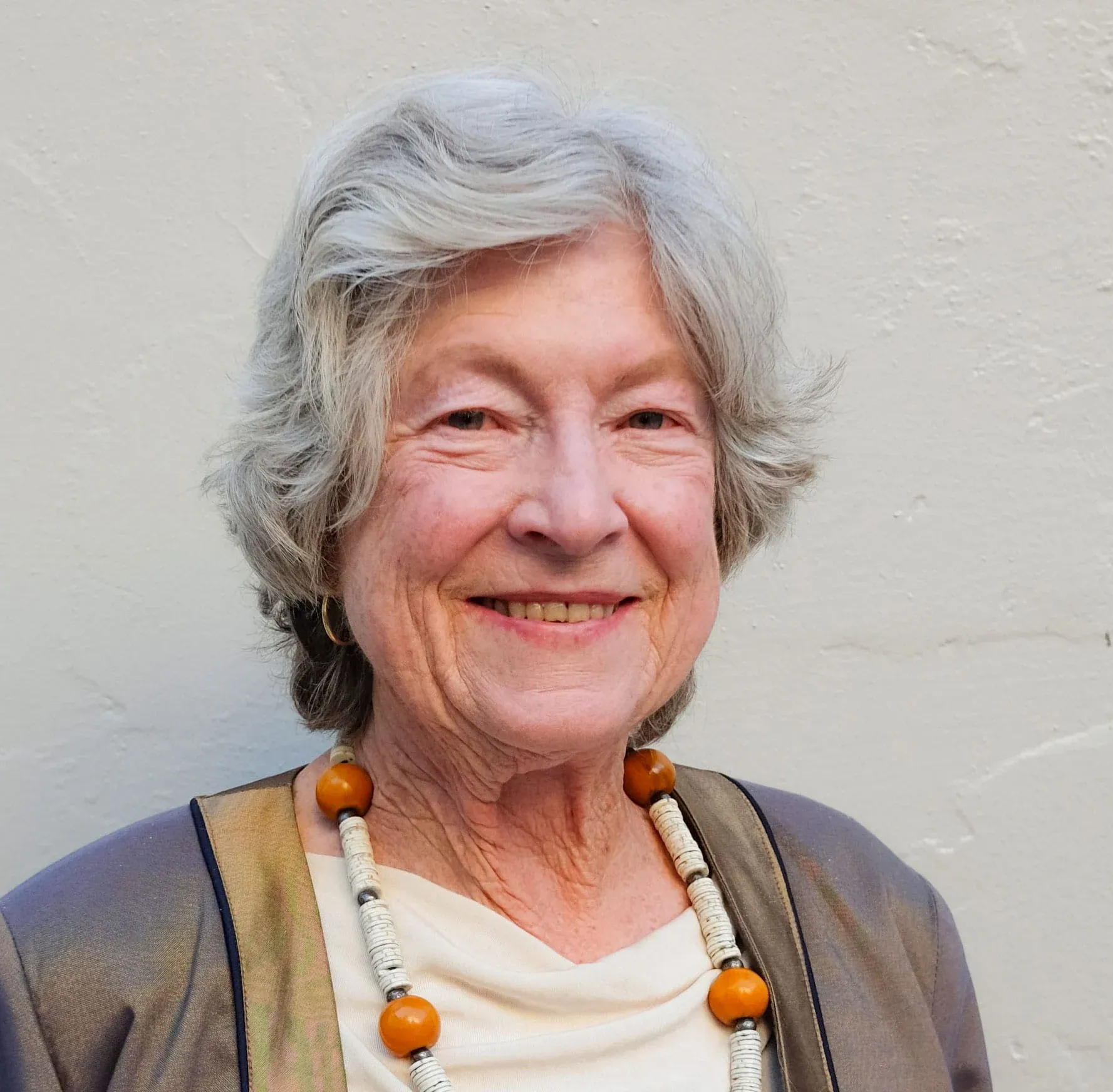
Julia Walsh, M.D., M.Sc.
Climate and Society Center Coordinator, Senior Research Scientist, Bixby Center for Population, Health, and Sustainability
Justin Remais is Professor and Chair of the Division of Environmental Health Sciences at the UC Berkeley School of Public Health. An engineer by training, Prof. Remais’ research uses statistical, mathematical, and computational approaches to study the impact of environmental change on the dynamics of infectious disease transmission. He leads a cluster of studies examining the spread of West Nile virus, TB, leptospirosis, schistosomiasis, coccidioidomycosis, and enteric infections as they respond to rapid urbanization, industrialization, migration, changes in water resources, and a changing and more variable climate, among other factors. He has led (as PI or co-PI) >$13 million in extramural research projects since being appointed to the Berkeley faculty, including collaborative research in California, China, Ecuador, and Senegal. He serves as Deputy Editor of PLoS Neglected Tropical Diseases and Academic Editor of PLoS Global Public Health. Prof. Remais received his MS in Civil and Environmental Engineering and a PhD in Environmental Health Sciences from the University of California, Berkeley.
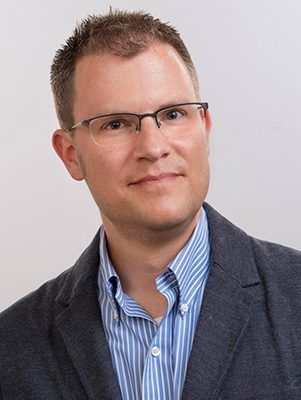
Justin Remais, Ph.D., M.S.
Professor, Environmental Health Sciences, School of Public Health
Dr. Kara Nelson is the Blum Chancellor's Chair in Development Engineering and a Professor of Civil and Environmental Engineering. She received her B.S. degree in biophysics from U.C. Berkeley (1992), her M.S.E. degree in environmental engineering from the University of Washington (1996), and Ph.D. degree in environmental engineering from the University of California, Davis (2001). In her research program, Prof. Nelson aims to develop innovative technologies and accelerate the adoption of environmentally sustainable and socially equitable water infrastructure and practices around the globe. Specific areas of research include intermittent water supply, wastewater-based epidemiology, water reuse, disinfection, nutrient recovery, and improved sanitation. She teaches courses on innovation in the water sector, drinking water and wastewater treatment processes, pathogen detection and inactivation, and natural treatment systems, taking into consideration the wide range of contexts that exist in low to high-resource communities. Nelson is the recipient of the Faculty Award for Outstanding Mentorship of Graduate Student Instructors, the Chancellor’s Public Service Award for Campus Community Partnership, a Fulbright Fellowship, and the National Science Foundation PECASE Award. Prof. Nelson is passionate about creating a climate in which everyone belongs and can reach their full potential, and previously served as Associate Dean for Equity and Inclusion in the College of Engineering. Prof. Nelson serves as the Associate Director of Development Engineering at the Blum Center for Developing Economies, which offers the Designated Emphasis in Development Engineering and the Professional Masters Degree in Development Engineering. She is currently the President of the Association of Environmental Engineering and Science Professors (AEESP) From 2011-2022, Nelson held multiple leadership positions in the National Science Foundation Engineering Research Center for Re-inventing our Nation’s Urban Water Infrastructure (ReNUWIt).
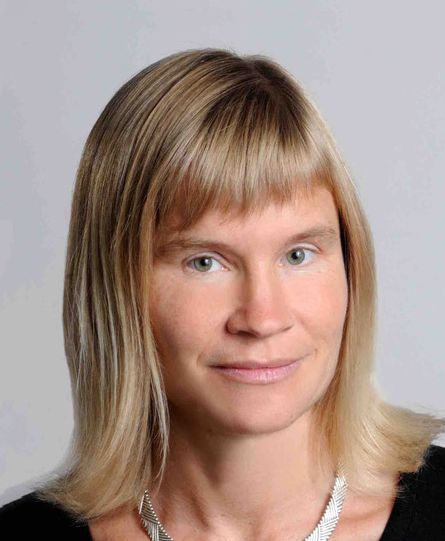
Kara Nelson, Ph.D., M.S.E.
Professor, Civil and Environmental Engineering
Professor Raymond's research interests range from biochemistry and metals in medicine to physical inorganic chemistry. The underlying theme of the research projects is the question of metal-ligand specificity of interaction in coordination and bioinorganic chemistry.
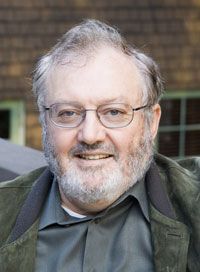
Kenneth Raymond, Ph.D.
Professor, Chemistry
Kimberley Seed is an associate professor in the Department of Plant & Microbial Biology at UC Berkeley. Her lab investigates the impact of phages on the evolution and epidemiology of Vibrio cholerae, which is the causative agent of the severe diarrheal disease cholera. As a waterborne disease, cholera is a serious threat in areas of the world where sanitation is poor and access to safe drinking water is limited. Phages that specifically infect and kill V. cholerae are thought to modulate the inter-epidemic persistence of V. cholerae in the environment, thus impacting the occurrence and severity of outbreaks; however, uniquely, these phages also travel with V. cholerae into the human host and continue to prey on their bacterial host during infection. Therefore, phages have the unique potential to impact all aspects of the V. cholerae life cycle (including environmental persistence, infectivity and dissemination), on both a short and long-term evolutionary scale. The Seed lab's current focus is on understanding the molecular basis for the anti-phage activity of mobile genetic elements in epidemic V. cholerae.
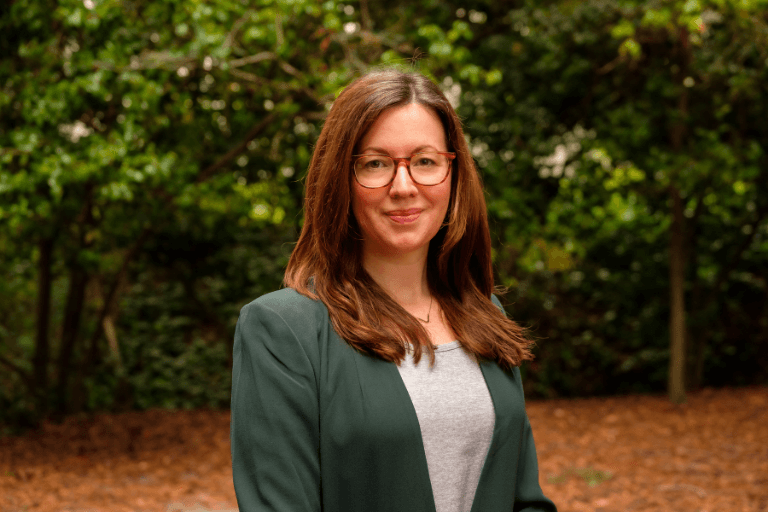
Kimberley Seed, Ph.D.
Associate Professor, Plant and Microbial Biology
Laura (Layla) Kwong is an assistant professor in the Division of Environmental Health Sciences at the UC Berkeley School of Public Health. She focuses on environmental justice as it applies to environmental health in low-income countries given the large disparities in health outcomes between high- and low-income countries. An engineer by training, Dr. Kwong works with communities using human-centered design principles to develop engineering interventions to address public health issues in low-income countries, particularly issues related to infectious diseases and air pollution. She works with local research partners to conduct randomized-controlled trials to evaluate these interventions using qualitative and quantitative methods. Dr. Kwong has conducted community-based participatory research in Bangladesh, Uganda, Indonesia, China, Mongolia, and Mali. Dr. Kwong received a PhD in Civil & Environmental Engineering at Stanford University. Prior to her time at Stanford, Dr. Kwong worked on water security and national water quality standards as an ORISE Fellow at the U.S. Environmental Protection Agency.
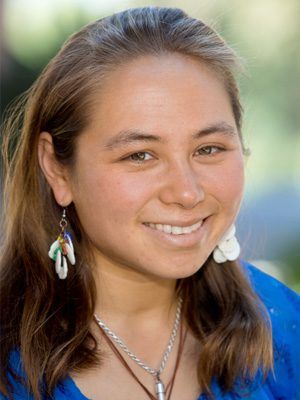
Laura (Layla) H. Kwong, Ph.D., M.S.
Assistant Professor, Environmental Health Sciences, School of Public Health
Leo Martinez is an assistant professor in the Division of Epidemiology at the UC Berkeley School of Public Health. He studies the epidemiology of tuberculosis and other infectious diseases, with a focus on how social, biological, and programmatic factors shape who becomes infected, who develops disease, and who experiences long-term health consequences. Dr. Martinez uses epidemiologic, statistical, and quantitative approaches to study tuberculosis transmission and prevention in high-burden settings and among populations at elevated risk, including children, people living with HIV, people with diabetes, and incarcerated populations. Much of his work centers on early-life risk factors for pediatric tuberculosis, the role of nutrition and growth in tuberculosis risk, tuberculosis transmission in congregate settings, and the relationship between tuberculosis and chronic disease outcomes. His research is highly collaborative and is conducted with colleagues and public health partners in the United States and globally, including in South Africa, Kenya, Brazil, China, and Indonesia. Through these partnerships, his work aims to produce evidence that can inform tuberculosis prevention policy, improve screening and treatment strategies, and reduce disparities in tuberculosis burden. Prior to joining UC Berkeley, Dr. Martinez was a faculty member in the Department of Epidemiology at the Boston University School of Public Health.
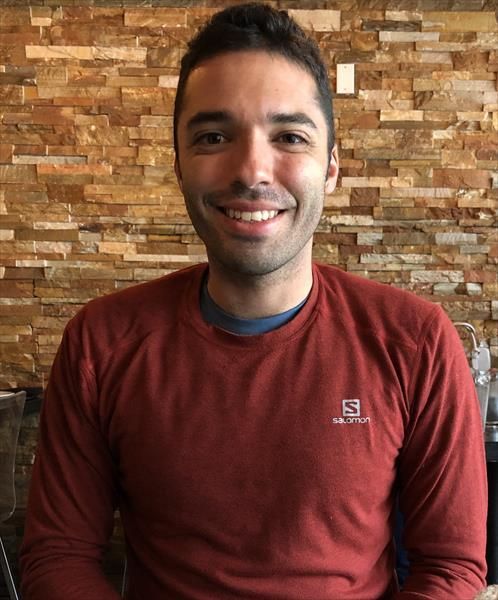
Leonardo Martinez, Ph.D., M.P.H.
Assistant Professor, Epidemiology, School of Public Health
Develop and apply methods for the physical characterization of plants and microbes at the nano- and meso-scale to better understand the effects of feedstock and microbial engineering. Develop and apply advanced imaging methods for the study of plant cell walls.

Manfred Auer, Ph.D.
Staff Scientist, Lawrence Berkeley National Laboratory
Dr. Feeney is a Professor of Pediatrics in the Division of Pediatric Infectious Diseases and Global Health at UCSF. She is the Principal Investigator of several NIH-funded projects focused on the immune response to malaria and CMV in infants and children. Dr. Feeney is board certified in Pediatric Infectious Diseases and provides clinical care for children with complex infections at UCSF Benioff Children’s Hospital, where she also teaches students and housestaff. She holds a secondary appointment in the Department of Medicine (Division of Experimental Medicine) where her laboratory is based. She is active in mentoring programs for medical students, residents, and junior faculty, and is the recipient of an NIH K24 Mentoring Award entitled “Mentoring Translational Researchers for Careers in Pediatric Global Health”. Dr. Feeney’s research interests encompass the host response to infection and age-based differences in the immune response during early life. Her laboratory conducted key studies of the infant antiviral immune response following mother-to-child transmission of HIV, in collaboration with pediatric clinicians South Africa and Jamaica. More recently, her lab has focused on understanding natural immunity to malaria, identifying correlates of protective antimalarial immunity to guide vaccine design, and investigating the impact of in utero antigen exposure on the fetal immune response to malaria and other perinatal pathogens. A major current emphasis in the lab is the role of gamma delta T cells (gdT), a unique population of semi-innate cells that play a major role in immunity in the fetus and infant. Gamma delta T cells have been shown to play a role in protective immunity to both P. falciparum and CMV. Dr. Feeney is a member of the NIH IDEaL (Immune Development in Early Life) consortium and leads an ImmunoX Co-Project. Dr. Feeney was elected to the American Society for Clinical Investigation in 2016 and has received several research awards including the Elizabeth Glaser Scientist Award from the Pediatric AIDS Foundation and the William F. Friedman Pediatric Research Award. She holds the Edward B. Shaw Chair in Pediatrics.
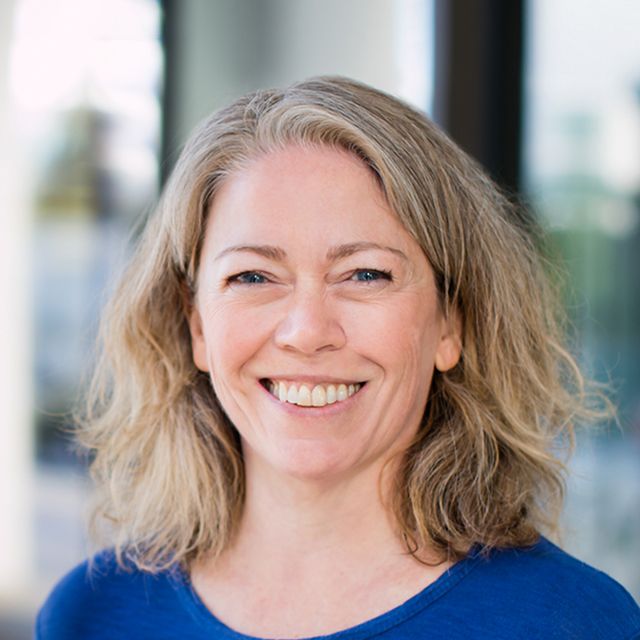
Margaret Feeney, M.D., M.Sc.
Professor, Pediatrics, UCSF
Mariane C. Ferme is a Professor in the Department of Anthropology and a Faculty Curator at the Phoebe A. Hearst Museum of Anthropology. Her research focuses on West Africa, particularly gendered aspects of material culture and everyday life in agrarian settings. She has also worked on politics and violence, primarily in connection with Sierra Leone’s 1991-2002 civil war and its aftermath. Topics on which she has written and taught over the last few years include cultural responses to mass violence, political cultures, electoral politics in relation to different principles of democratic cultures, history and theory of anthropology, anthropological research methods, and new writings from/ about Africa. She is currently writing up a project on land rights and changing agrarian institutions in West Africa.
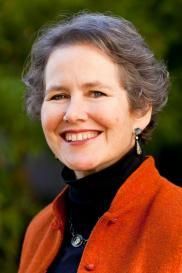
Mariane C. Ferme, Ph.D.
Professor, Anthropology
Markita del Carpio Landry is a physicist, neuroscientist, and plant biotechnologist whose research combines nanotechnology, imaging, and neurobiology. She is best known for developing nanosensors that monitor neurotransmitter dynamics in the brain, providing new tools to study dopamine and serotonin in real time. Her interdisciplinary work spans physics, chemistry, and biology to create technologies for probing and manipulating neural circuits, and for genetic engineering of agricultural crops. Landry is Professor of Chemical and Biomolecular Engineering, of Neuroscience, and of Molecular and Cellular Biology at UC Berkeley and a Chan Zuckerberg Biohub Investigator. She has received over 40 career awards and serves on the scientific advisory board of numerous biotechnology companies.
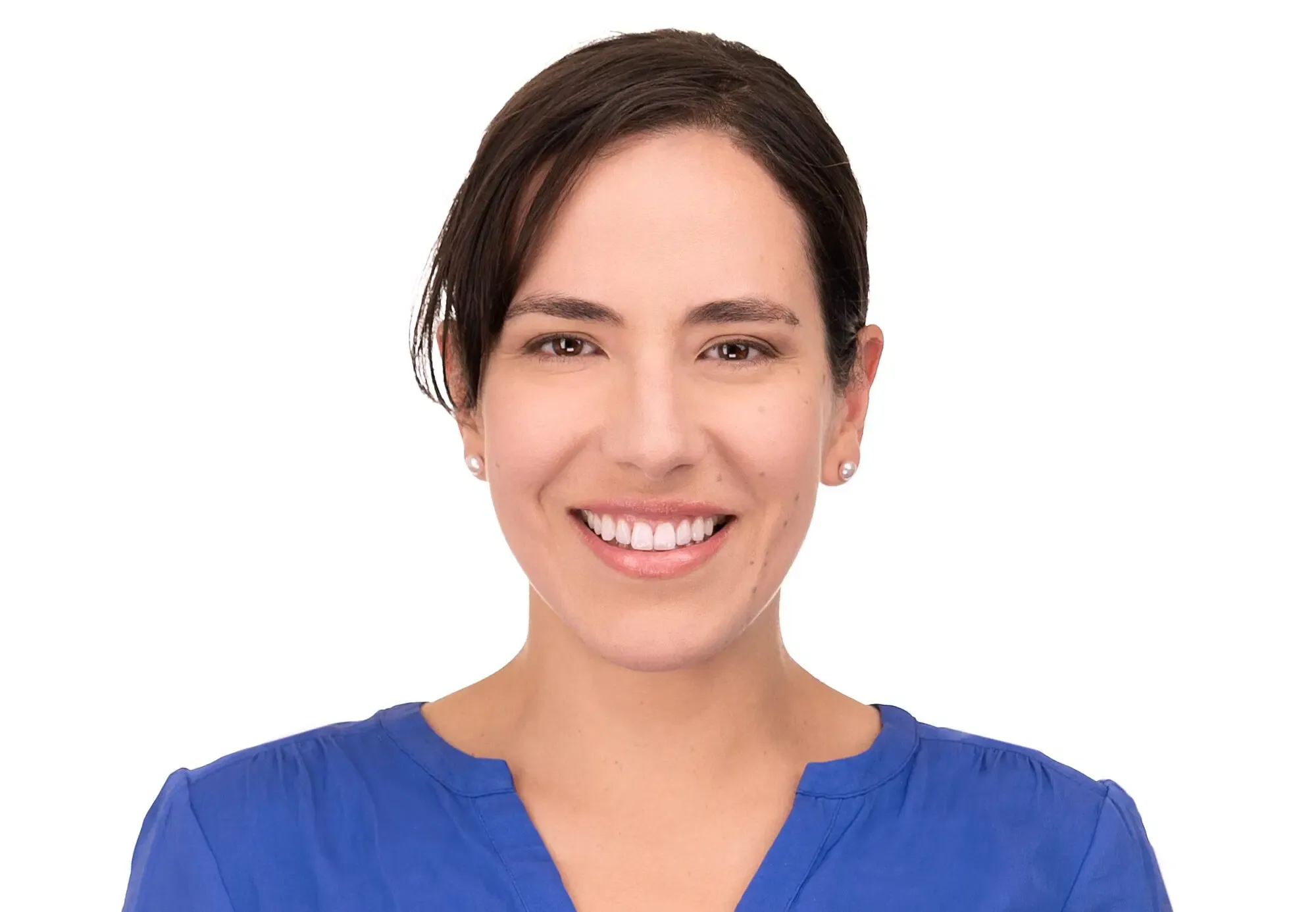
Markita del Carpio Landry, Ph.D.
Associate Professor, Chemical and Biomolecular Engineering, Molecular and Cell Biology, Neuroscience
Matteo Garbelotto’s research focuses on uncovering the mechanisms behind invasions by exotic forest pathogens. His lab uses molecular tools to understand pathogen biology, ecology, and epidemiology. Current projects include work on Sudden Oak Death, Phytophthora cinnamomi, and Pine Pitch Canker in California, as well as Cypress Canker and Heterobasidion invasions in Europe. Garbelotto’s group uses both beneficial and pathogenic fungi as model systems to study isolation by distance, island biogeography, and community structure in relation to habitat size and age. Ongoing projects involve Central American mangroves, Matsutake mushrooms worldwide, and truffles in Europe. His lab is engaged in documenting biodiversity and supporting natural resource conservation. Major projects include barcoding the Venice Fungal Herbarium and the BIOCODE (Fungi) initiative on the island of Moorea. The group also applies population genetics and phylogeographic approaches to understand how genetic diversity is structured—and should be maintained—within species. Garbelotto’s laboratory leads efforts to test the efficacy, sensitivity, and reliability of new diagnostic tools for detecting and studying forest diseases. The team is also involved in genomic research on Phytophthora ramorum and Heterobasidion irregularis (formerly H. annosum). His research evaluates the efficacy and persistence of direct chemical controls for forest diseases, with a particular focus on phosphonates due to their minimal environmental impact. The lab also investigates how horticultural practices (e.g., pruning, composting) and silvicultural approaches (e.g., thinning) influence disease epidemiology and effects. Additionally, they study potential natural resistance or tolerance to Sudden Oak Death in oaks, tanoaks, and California bay laurel. Garbelotto’s team examines relationships between the airspora and infections caused by root rot organisms, the effects of stump creation on root rots, and the role of insects in vectoring vascular diseases such as blackstain root disease.

Matteo Garbelotto, Ph.D., M.S.
Adjunct Professor, Environmental Science, Policy & Management
Matthew Welch is a cell biologist and microbiologist whose research investigates cell structure and host-pathogen interactions. He is best known for studies of actin polymerization and how microbes hijack the host cell cytoskeleton to promote infection. Welch's lab integrates cell biology, genetics, and biochemistry to study how actin networks are regulated and how they are exploited by microbial pathogens during infection. His research advances understanding of fundamental cell biology and provides insights into mechanisms of infectious disease. He is Professor and Co-Chair of Molecular and Cell Biology at UC Berkeley. His research has been published in journals such as Cell, Nature Cell Biology, and The Journal of Cell Biology. Welch has received NIH funding and recognition from the American Society for Cell Biology, American Society for Microbiology, and the American Association for the Advancement of Science. At Berkeley, he teaches molecular and cell biology and mentors students in cell biology and infection research.
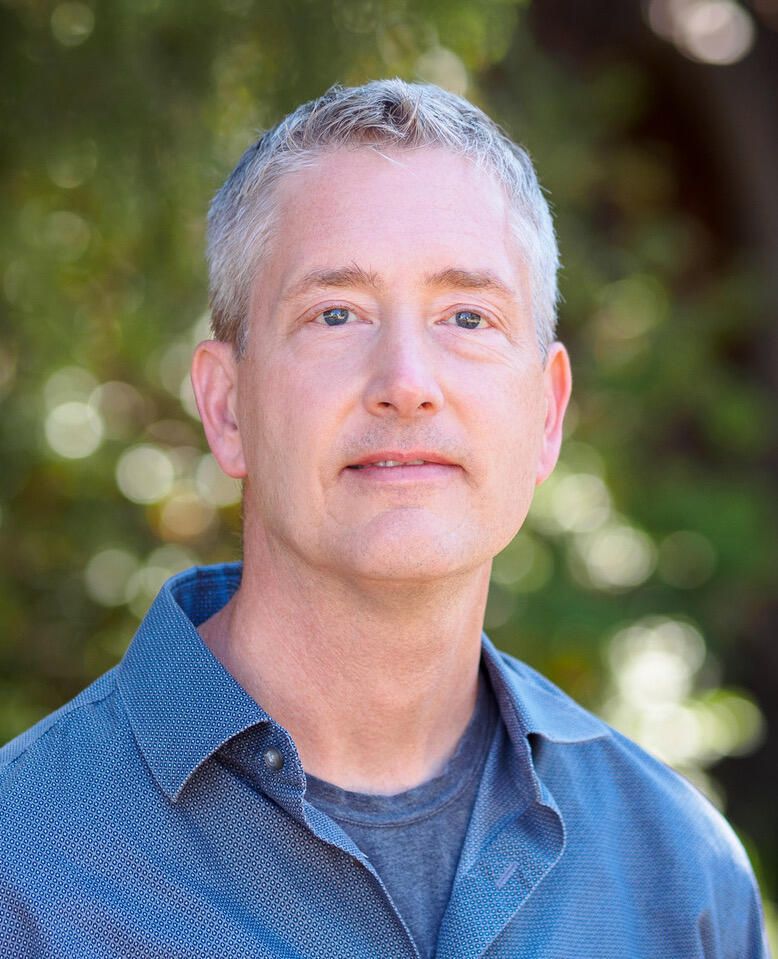
Matthew Welch, Ph.D.
Professor, Molecular and Cell Biology
Michael Botchan is a Professor Emeritus of Molecular Therapeutics. Dr. Botchan’s scholarly work includes contributions to virology and unraveling the mechanisms of DNA replication where mammalian oncogenic viral DNA and chromosomal DNA from drosophila have been the focus. He discovered at CSHL that the oncogenic DNA virus SV-40 integrates into chromosomes in cells where DNA replication is either not robust or absent. In such cells the viral DNA joins to the host chromosome without DNA sequence dependence. This work presaged the discovery that such pathways are dependent upon randomly occurring breaks of the host chromosome and breaks within the viral DNA. At UC Berkeley his group revealed the mechanisms of papilloma virus DNA replication, including the cervical cancer causing human types. Following the discovery of the yeast initiator complex ORC made at CSHL the Botchan lab and colleagues at UC Berkeley showed that this complex was profoundly conserved in drosophila and the crystal structure of the fly complex ushered in the high-resolution structures of other homologues. DNA sequences chosen for start sites along the chromosome fiber are not determined by ORC’s hard wired sequence dependence as in the budding yeasts but chromatin structure and other accessory proteins are involved. Botchan’s group discovered the active form of the cellular helicase that unwinds the duplex drosophila DNA for sister strand copying which they named the CMG. The CMG is universally found throughout all eukaryotes.
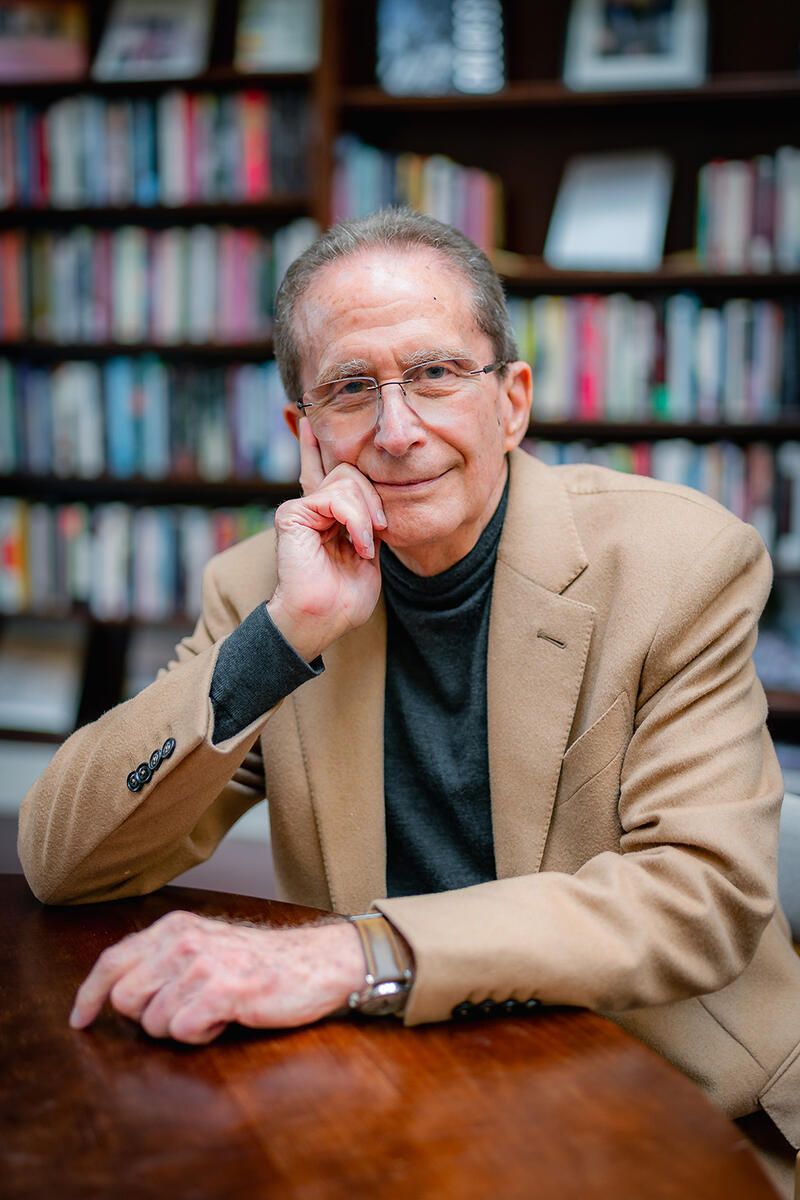
Michael Botchan, Ph.D.
Professor Emeritus, Molecular and Cell Biology
Michael B. Eisen is a Professor of Genetics and Development. The Eisen Lab studies how the genomic sequences that control gene expression function and evolve. They are driven by a desire to understand the molecular basis of organismal diversity, and the belief that many differences in physiology, morphology and behavior arise from changes in gene regulation. Their ultimate goal is to be able to interpret the regulatory information encoded in genomic DNA, so that they can routinely identify regulatory sequences, discern their function, predict the consequences of their perturbation, and reconstruct how they evolved. They are a hybrid computational and experimental lab who couple genome-scale computational and experimental analysis of gene regulation in Drosophila melanogaster and Saccharomyces cerevisiae with extensive analysis of comparative sequence data and experimental analysis of species closely related to these model systems. They focus on short evolutionary timescales where it is possible to couple specific changes in genome sequences with alterations in gene regulation and expression.
Michael Eisen, Ph.D.
Professor, Molecular and Cell Biology
In the natural world, microbes live in communities where individual microbes rely on one another. The majority of microbes cannot produce all of the nutrients they require, and instead depend on other microbes to produce nutrients such as amino acids and vitamins. To study microbial nutritional interactions, the Taga Lab specifically focus on vitamin B12 and B12 analogs, collectively termed corrinoids. Corrinoids are cofactors involved in the biosynthesis of amino acids and DNA, carbon metabolism, and many other metabolic processes. With a focus on corrinoids, the Taga Lab dissects molecular interactions and interdependencies critical to microbial communities. Interestingly, while the majority of microorganisms use corrinoids, only a subset of microbes can produce them. They study the biosynthesis of corrinoids, how bacteria obtain corrinoids from their environment, and the role of corrinoid-based nutritional interactions in microbial community dynamics.
Michi Taga, Ph.D.
Professor, Plant and Microbial Biology
Mike Boots’s research centers on the ecology, epidemiology, and evolution of infectious disease. His work addresses the substantial burden parasites and pathogens place on human health, agriculture, and natural ecosystems. The overarching goal of his research program is to understand how parasites evolve, how hosts defend themselves, and how infectious organisms spread, persist, and influence host populations. His group employs a combination of evolutionary theory, experimental host–parasite systems, epidemiological models of wildlife and human tropical diseases, and field entomology. Boots’s theoretical and experimental work focuses on the role of ecology in generating and maintaining diversity within hosts and parasites, the influence of spatial structure on their evolution, and the implications of tolerance versus resistance in response to infectious disease. His lab is increasingly applying evolutionary theory to the management of human and agricultural diseases. In addition to broader theoretical efforts, the group studies several specific disease systems, including squirrel poxvirus; social networks and tuberculosis in badgers; tuberculosis in wild boar populations; honeybee–Varroa mite–virus interactions; dengue and emerging tropical viruses; and human and avian malaria.
Mike Boots, Ph.D.
Professor, Integrative Biology
Prof. Mohammad Reza Kaazempur Mofrad is a Professor of Bioengineering and Mechanical Engineering at UC Berkeley, where he leads a multidisciplinary research program at the interface of biomechanics, mechanobiology, artificial intelligence, and computational biology. His laboratory investigates how physical forces shape biological structure and function across molecular, cellular, and multicellular scales, and develops computational tools and AI-driven approaches to advance human health. Prof. Mofrad’s research integrates four major areas: 1. Cellular Mechanobiology His group studies how cells sense, transmit, and respond to mechanical forces, with particular emphasis on focal adhesions, the cytoskeleton–nucleus linkage, nuclear pore complexes, and chromatin organization. This work provides fundamental insight into mechanotransduction, gene regulation, and the mechanical basis of diverse diseases, including cardiovascular and neurodegenerative disorders. 2. Bioinformatics and Deep Learning The lab develops advanced computational and AI-driven methods for large-scale biological data analysis. Areas of focus include protein function prediction, structural and sequence modeling, and functional annotation. The group has pioneered influential approaches such as ProtVec, a deep-learning embedding framework for proteomics and metagenomics. 3. Bacterial Mechanotransduction and Microbiome Systems Biology Prof. Mofrad’s team investigates how bacteria perceive and respond to mechanical cues, and how mechanical interactions shape microbial communities, biofilms, and host–microbe interfaces. This research has implications for antimicrobial resistance, infectious disease, and precision microbiome engineering. 4. Digital Medicine and AI-Enhanced Health Technologies His lab creates computational and AI-based tools for digital diagnostics, drug discovery, and personalized medicine. By integrating machine learning with physics-based and multiscale biomechanical modeling, the group develops new frameworks for automated disease detection, therapeutic discovery, and patient-specific clinical decision support.
Mohammad Mofrad, Ph.D., M.A.Sc.
Professor, Bioengineering, Mechanical Engineering
Molly Ohainle is an assistant professor of immunology and molecular medicine. Her lab studies how cells are protected from infection by viral pathogens. Viruses and the hosts they infect are locked in an evolutionary arms race in which an array of directly-acting intracellular host defenses are antagonized and evaded by viral pathogens. They use functional genomics approaches and molecular virology to understand how key molecular interactions mediate the outcomes of virus infection inside a cell. They primarily study this in the context of HIV and related primate lentiviruses, an animal-to-human viral species transmission with major impacts on human health. They hope to uncover and understand the mechanisms through which viruses and their hosts fight these battles across evolutionary time.
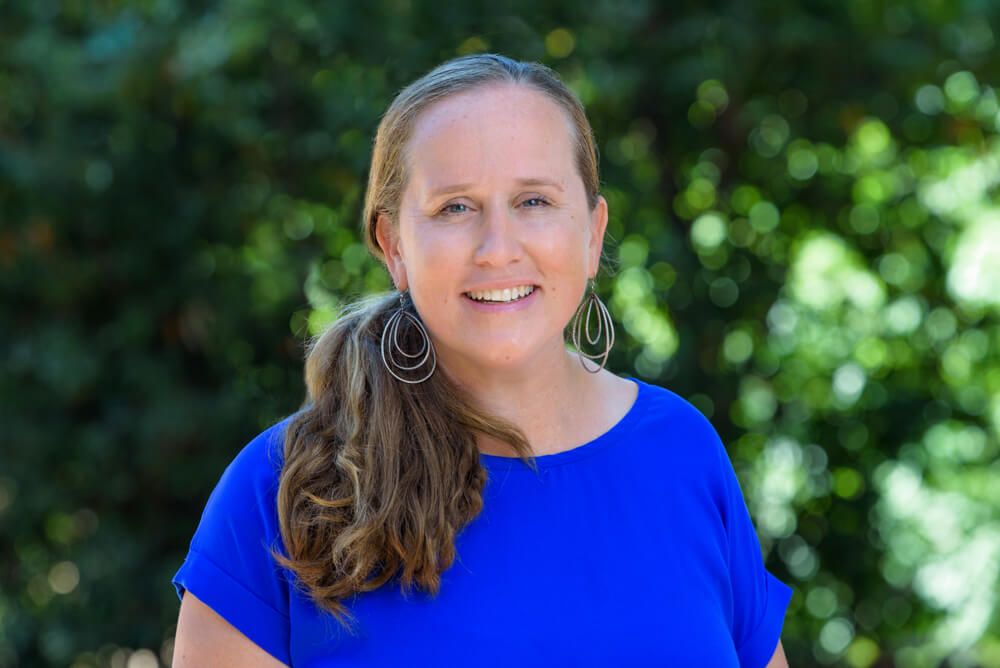
Molly Ohainle, Ph.D.
Assistant Professor, Molecular and Cell Biology
Dr. Niren Murthy is a professor in the Department of Bioengineering at the University of California at Berkeley. Dr. Murthy received his Ph.D. from the University of Washington in Seattle in Bioengineering in 2001, and then did Postdoctoral research at U.C. Berkeley in Chemistry from 2001-2003. He started his academic career at Georgia Tech in 2003 and in 2012 moved back to U.C. Berkeley. Dr. Murthy’s laboratory is an interdisciplinary laboratory that focuses on the development of new materials for drug delivery and molecular imaging. Murthy laboratory has developed several new biomaterials and imaging agents, such as the maltodextrin based imaging agents, which are focused on improving the treatment and diagnosis of infectious diseases. In addition, Murthy laboratory has developed numerous reagents for detecting radical oxidants, such as the hydrocyanines.
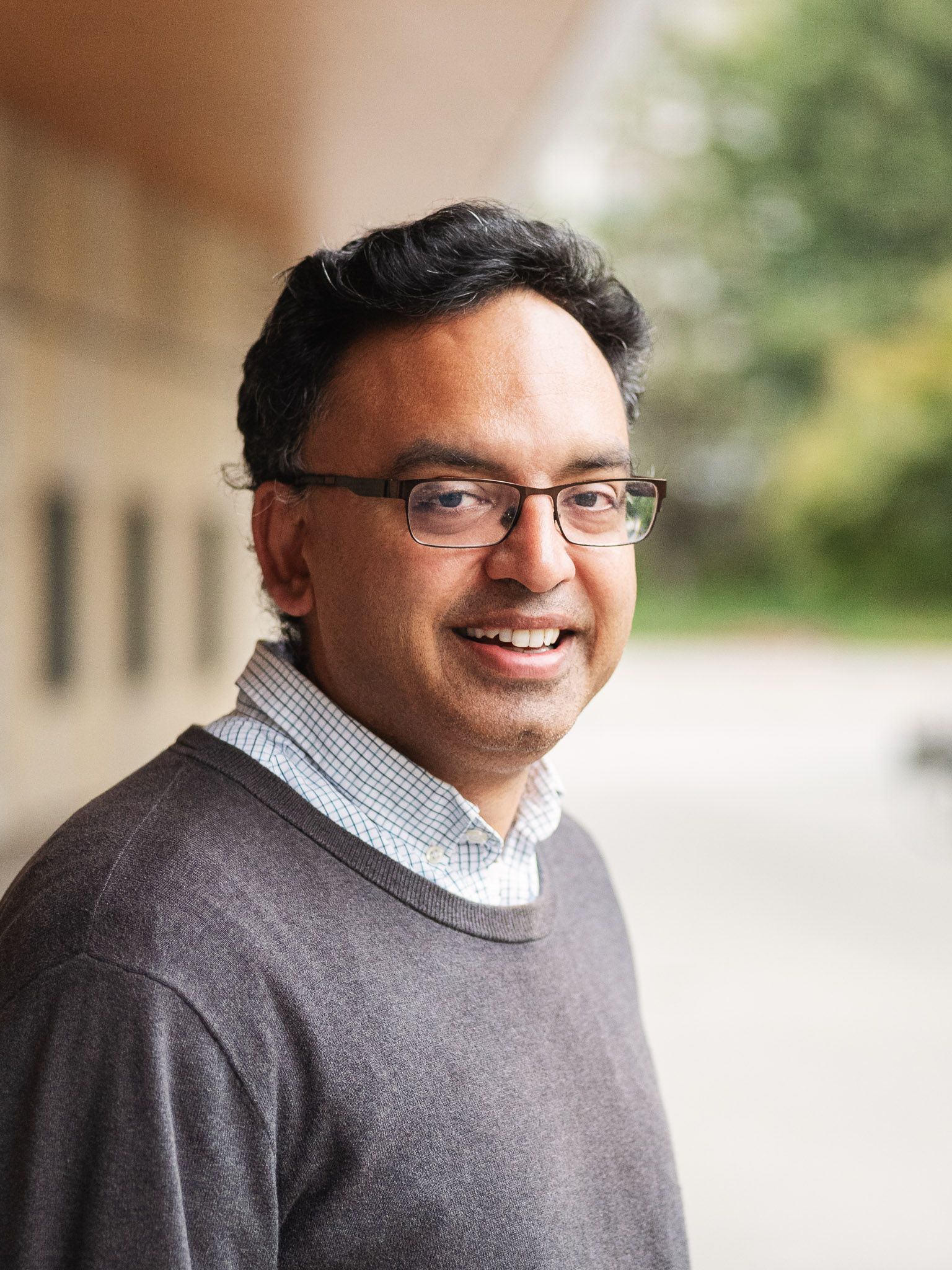
Niren Murthy, Ph.D.
Professor, Bioengineering
Ronald is a Distinguished Professor in the Dept of Plant Pathology and Genome Center at UC Davis and an Investigator at the Innovative Genomics Institute, UC Berkeley. She also serves as a faculty scientist in Berkeley Lab’s Environmental Genomics and Systems Biology division and a Key Scientist at the Joint BioEnergy Institute. She is a faculty affiliate of the Center on Food Security and the Environment at Stanford University. Ronald graduated from Reed College with a B.A. in Biology, from Stanford University with a M.S. in Biology, from Uppsala University with a M.S. in Physiological Botany and from UC Berkeley with a Ph.D. in Molecular and Physiological Plant Biology. She was a postdoctoral fellow in plant breeding at Cornell University and joined the faculty of UC Davis in 1992. Pamela Ronald is recognized for research in infectious disease biology and environmental stress tolerance. Her isolation of the rice Xa21 immune receptor in 1995 and of a novel microbial immunogen in 2015 revealed a new mechanism with which plants and animals detect and respond to infection. She is also known for her leading role in isolation of the rice Submergence Tolerance 1 gene. Her research facilitated the development of high yielding Sub1 rice varieties grown by more than six million subsistence farmers in India and Bangladesh. Ronald was named a National Geographic Innovator and one of Grist’s 50 innovators who will lead us toward a more sustainable future. She received the USDA National Research Institute Discovery Award, the Louis Malassis International Scientific Prize for Agriculture and Food, and the Tech Award for innovative use of technology to benefit humanity. She was named one of the world’s most influential scientific minds by Thomson Reuters and one of the world’s 100 most influential people in biotechnology by Scientific American. She is a member of the National Academy of Sciences, the American Academy of Arts and Sciences and an Invited Member of the French National Academy of Agriculture. She is coauthor with her husband, Raoul Adamchak, an organic farmer, of ”Tomorrow’s Table: Organic Farming, Genetic and the Future of Food“. Bill Gates calls the book a “fantastic piece of work“ and “important for anyone that wants to learn about the science of seeds and challenges faced by farmers“. Tomorrow’s Table, was selected as one of the 25 most powerful and influential books with the power to inspire college readers to change the world. Her 2015 TED talk has been viewed by 1.7 million people and translated into 26 languages. She founded the UC Davis Interdisciplinary Forum For Science Learning to provide the next generation of scientists with the training they need to become effective communicators. In 2019, she received the American Society of Plant Biologists Leadership Award, an honorary doctorate from the Swedish Agricultural University and was elected to the National Academy of Sciences. In 2020 she was named a World Agricultural Prize Laureate by the Global Confederation of Higher Education Associations for Agricultural and Life Sciences. In 2022 Ronald was awarded the Wolf Prize in Agriculture and the VinFuture Prize for Women Innovators.
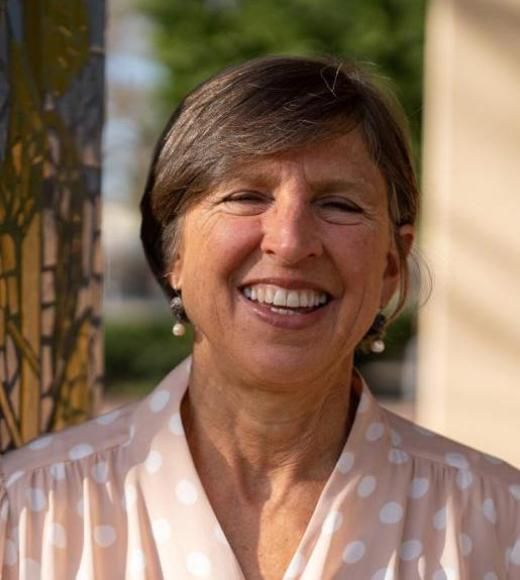
Pamela Ronald, Ph.D., M.S., M.S.
Distinguished Professor, Plant Pathology, Genome Center, UC Davis
Professor Gong received his BS and MS degrees from Nanjing University and his PhD degree from the University of Waterloo, Canada in 1990. He started his academic career at York University and then the University of Calgary. In 1994, he joined the University of California, Berkeley where he rose through the academic ranks to full Professor in 2001. He became the founding Chair of the Department of Earth System Science in 2016 and Dean of the Faculty of Science in 2017 at Tsinghua University. Professor Gong is a Foreign Member of the Academy of Europe (Academia Europaea). He was the Founding Editor-in-Chief of Geographic Information Sciences (now Annals of GIS). He has been appointed as one of the 13 advisers to Future Earth, an organization sponsored by ICSU (International Council for Science), UNEP (United Nations Environment Programme) and UNESCO (United Nations Educational, Scientific and Cultural Organisation), one of the 19 members of the Earth Commission, a group of leading scientists in the world to develop scientific strategies in support of the achievement of sustainable development goals, and one of the 3 co-chairs of the Lancet Climate Change and Health Commission and Countdown 2030. As an inter-disciplinary researcher and an institution-builder, Professor Gong has a successful record of recruitment, innovative organization and motivation of large teams of cross-disciplinary talents. He was a co-founder of the Center for Assessment and Monitoring of Forest and Environmental Resources at UC Berkeley. He built the first Earth System Science Institute in China at Nanjing University, the State Key Laboratory of Remote Sensing Science in the Chinese Academy of Sciences and Beijing Normal University, and the Tsinghua Urban Institute at Tsinghua University. In 2020, he led an expert preparation group in establishing the Vanke School of Public Health at Tsinghua. Professor Gong's major research interests include urbanization and health, mapping and monitoring of global environmental change, and modelling of environmentally related infectious diseases. He received a number of research awards from the American Society for Photogrammetry and Remote Sensing, the Association of American Geographers as well as the Joint Board Council of Science China and Science Bulletin. More than 30 PhD students and postdocs he graduated/supervised now hold academic positions in major American and Chinese universities including UC Berkeley, UCLA, Tsinghua University, etc.
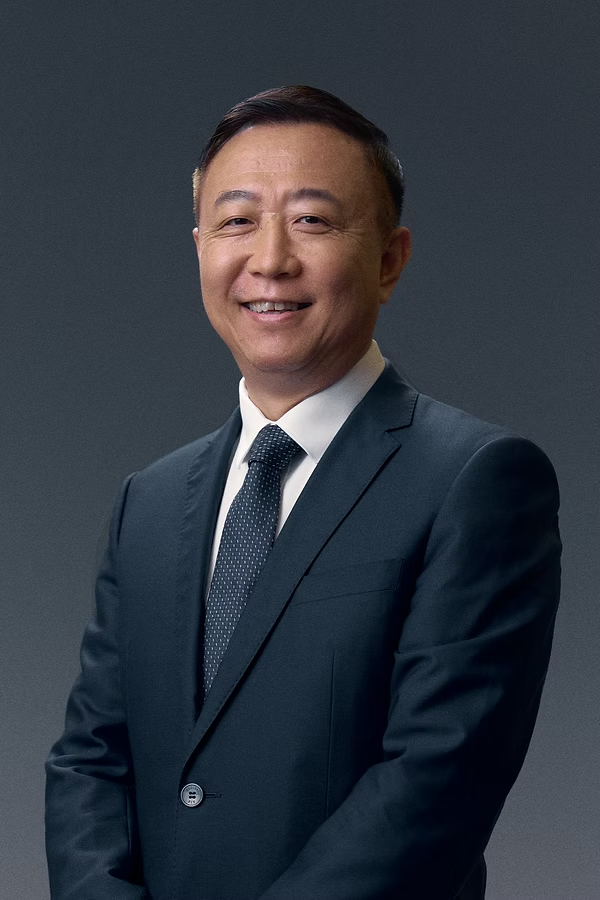
Peng Gong, Ph.D., M.S.
Chair Professor, Geography, University of Hong Kong
Philip Rosenthal’s work centers on three major areas, all focused on malaria, one of the most significant infectious diseases affecting humans. First, he investigates the basic biology of malaria parasites, examining the biochemical properties and biological roles of parasite proteases as well as the mechanisms of action of novel antimalarial agents. Second, in collaboration with industry and academic partners, he pursues drug discovery efforts, evaluating protease inhibitors, oxaboroles, and other compounds as potential antimalarial drugs. Third, he conducts malaria research in Africa, leading translational and laboratory studies at UCSF and in Uganda and Burkina Faso to assess antimalarial drug efficacy and resistance, explore the molecular epidemiology of malaria, and analyze how host and parasite genetic polymorphisms influence treatment outcomes. His work also examines antimalarial pharmacokinetics and pharmacodynamics and related topics. A newer area of interest for Rosenthal involves using genetic tools to identify the causes of febrile illnesses in African children. In addition to his research, Rosenthal serves as Editor-in-Chief of the American Journal of Tropical Medicine and Hygiene; Chair of the Scientific Advisory Committee for the WorldWide Antimalarial Resistance Network; a member of the Scientific Board of the Infectious Diseases Data Observatory; and a member of the World Health Organization Technical Expert Group on Malaria Chemotherapy.
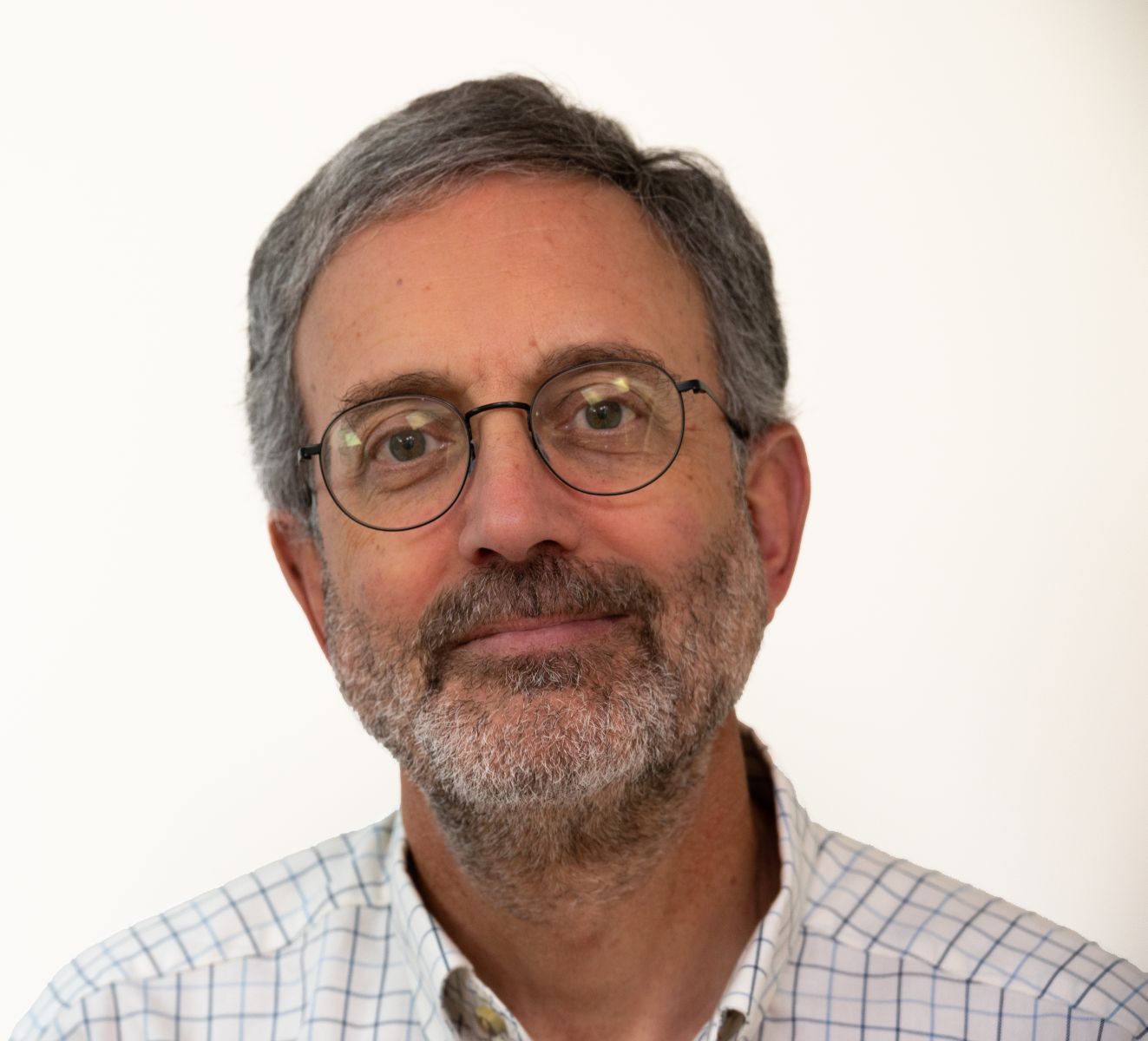
Philip Rosenthal, M.D.
Professor, School of Medicine, UCSF
Qian Zhou is Professor Emeritus of Biochemistry, Biophysics and Structural Biology. His research group is studying the mechanisms and factors that control transcriptional elongation and how this control affects HIV replication, latency activation and cancer progression.
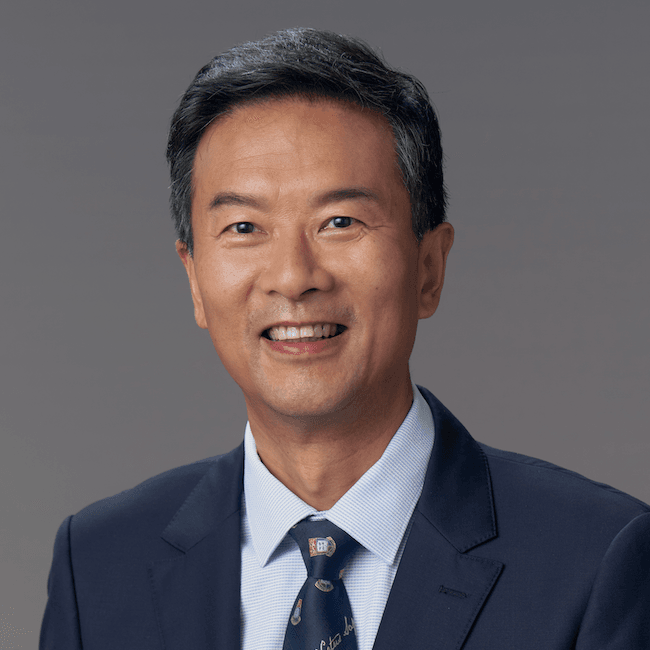
Qiang Zhou, Ph.D.
Professor Emeritus, Molecular and Cell Biology
Dr. Rachel Rutishauser is an infectious disease-trained Associate Professor of Medicine in the Division of Experimental Medicine at the University of California, San Francisco. Her laboratory focuses on understanding the mechanisms that promote the formation of effective and durable CD8+ T cell immunity to viral pathogens (e.g., HIV, SARS-CoV-2) and vaccination at different stages of human development.
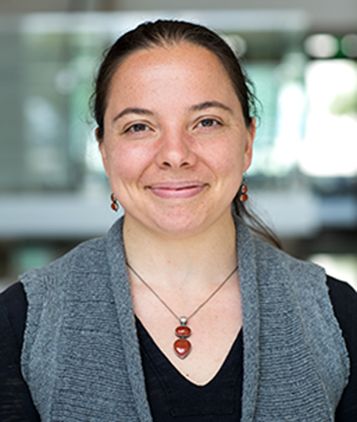
Rachel Rutishauser, M.D., Ph.D.
Associate Professor, School of Medicine, UCSF
Schekman Labs' research is devoted to a molecular description of the process of membrane assembly and vesicular traffic in eukaryotic cells. Basic principles that emerged from these studies in yeast are now being applied to studies of genetic diseases of protein transport. For the past dozen years, his lab has turned to a biochemical analysis of traffic in mammalian cells, including of the pathways of collagen secretion, autophagosome formation, and unconventional secretion. Of particular interest in clinical developments, he has decided to focus their attention on the mechanism of extracellular vesicle biogenesis with an emphasis on the means by which exosomes acquire a cell type-specific and highly sorted set of miRNAs. Another more recent interest is in the unconventional secretion of a protein implicated in Parkinson's Disease (PD), alpha-synuclein whose spread in the brain may be part of the pathology of PD.
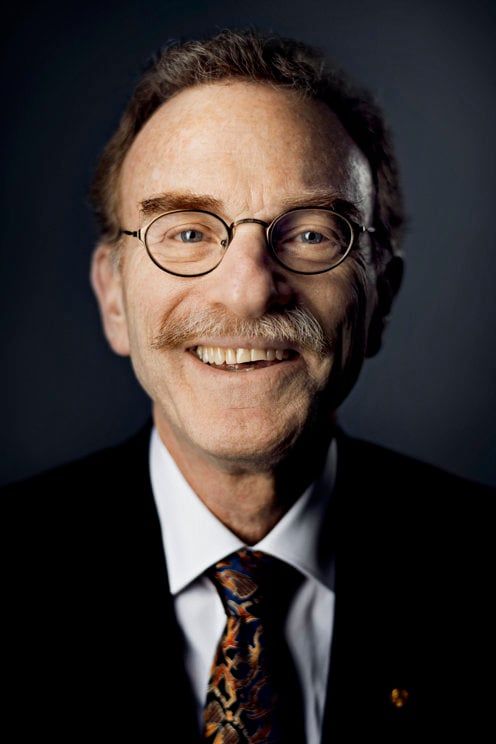
Randy Schekman, Ph.D.
Nobel Laureate & Professor, Molecular and Cell Biology
Rasmus Nielsen is an evolutionary biologist and geneticist whose research investigates human evolution, population genetics, and statistical genomics. He is best known for developing computational methods to detect natural selection in genomes and for his discoveries on human adaptation to high-altitude environments and ancient interbreeding with Neanderthals and Denisovans. Nielsen’s research integrates evolutionary theory, bioinformatics, and molecular biology to uncover the genetic basis of adaptation and diversity across species. His work has transformed our understanding of human evolution and evolutionary genomics. He is Professor of Integrative Biology and Statistics at UC Berkeley and a member of the Center for Theoretical Evolutionary Genomics. He has published more than 350 peer reviewed publications including many in Nature, Science, and Cell. Nielsen is a member of the National Academy of Sciences and the Danish Royal Academy of Sciences. At Berkeley, he teaches Human Biological Variation and mentors students in computational biology and evolutionary research.
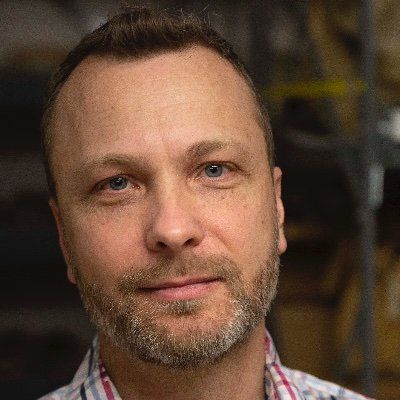
Rasmus Nielsen, Ph.D.
Professor, Integrative Biology, Statistics
Reza Yaesoubi, PhD, is an Associate Professor at the Philip R. Lee Institute for Health Policy Studies and the Department of Epidemiology and Biostatistics at the University of California, San Francisco. He is a health decision scientist whose research focuses on developing and applying analytical methods to inform data-driven and value-based decisions in clinical care, public health, and global health. His primary area of expertise lies in guiding decisions when evidence and data evolve too rapidly for static policies or guidelines to suffice—for example, during outbreaks of novel pathogens or the spread of antimicrobial resistance. He is also interested in advancing the theoretical and methodological foundations of adaptive decision-making and health care resource allocation.
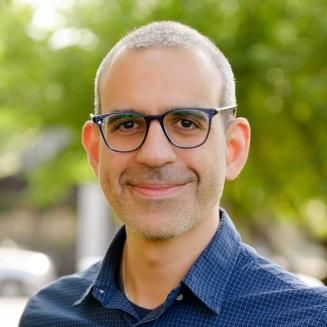
Reza Yaesoubi, Ph.D., M.S.
Associate Professor, Institute for Health Policy Studies, Epidemiology and Biostatistics, UCSF
Richmond Sarpong is the Maxine J. Elliott Endowed University Chair at the University of California Berkeley, where he and his group specializes in synthetic organic chemistry. Richmond became interested in chemistry after seeing, firsthand, the effectiveness of the drug ivermectin in combating river blindness during his childhood in Ghana, West Africa. Richmond described his influences and inspirations in a TEDxBerkeley talk in 2015 (Face of Disease in Sub-Saharan Africa). Richmond completed his undergraduate studies at Macalester College in St. Paul, MN with Prof. Rebecca C. Hoye and his graduate work was carried out with Prof. Martin Semmelhack at Princeton. He conducted postdoctoral studies at Caltech with Prof. Brian Stoltz. At Berkeley, Richmond’s laboratory focuses on the synthesis of bioactive complex organic molecules, with a particular focus on secondary metabolites that come from marine or terrestrial flora and fauna. These natural products continue to serve as the inspiration for new medicines. It is Richmond’s hope that through the work in his laboratory, he and his coworkers will uncover methods and strategies for synthesis that may contribute to more efficient ways to prepare bioactive compounds that may inspire new medicines. Of all his professional accomplishments, Richmond is most proud of the students in his research group and those with whom he has worked in the past that have gone on to their own independent careers. He enjoys teaching and was the recipient of the 2009 UC Berkeley Department of Chemistry teaching award and the 2016 Noyce Prize for Excellence in Undergraduate Teaching in the Physical Sciences at Berkeley. Richmond’s research group has published over 135 papers and he has received numerous awards in recognition of his research including an Alfred P. Sloan Foundation Fellowship, Camille Dreyfus Teacher-Scholar Award, ACS Cope Scholar Award, the 2015 Royal Society of Chemistry Synthetic Organic Chemistry Award, a 2017 Guggenheim Fellowship, the 2019 ISHC Katritzky Award, the 2019 Society of Synthetic Organic Chemistry Japan Mukaiyama Award, the 2021 ACS-DOC Edward Leete Award, the 2022 ACS Award for Creative Work in Synthetic Organic Chemistry and a 2022 Alexander von Humboldt Research Award.
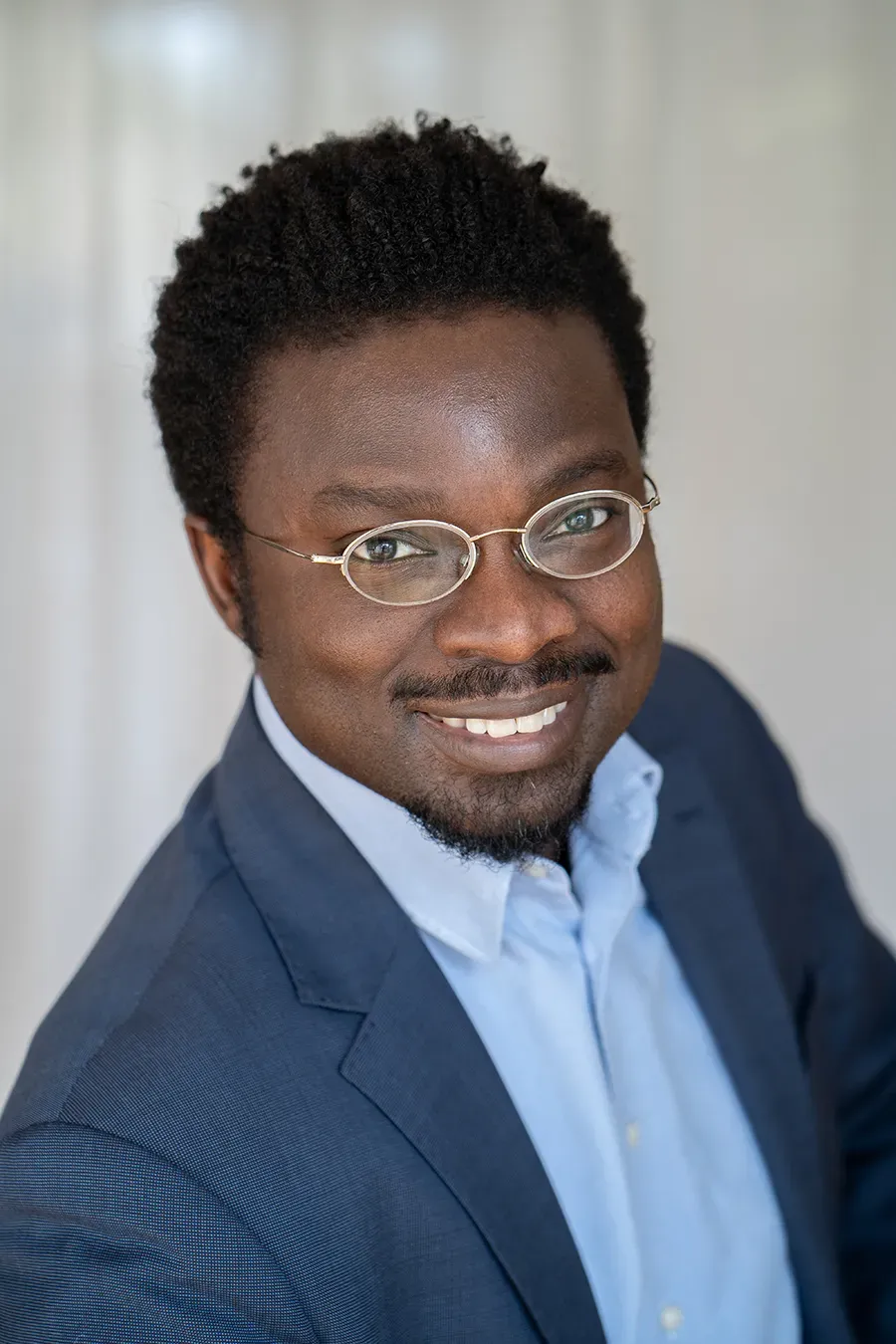
Richmond Sarpong, Ph.D.
Executive Associate Dean, Professor, Chemistry
Dr. Robert Lane received a B.A. degree in psychology from the University of California at Berkeley (UCB), an M.A. degree in biology at San Francisco State College, and a Ph.D. in entomology at UCB. While employed as a California State public health biologist he began his long-standing studies of the biology of ticks and the ecology and epidemiology of tick-borne disease agents. In 1984, Dr. Lane joined the faculty of UCB as a medical entomologist, a position he has held until the present. The diseases he and his many co-workers have investigated include Colorado tick fever, human granulocytic anaplasmosis, relapsing fever, Rocky Mountain spotted fever, tularemia, and particularly Lyme disease. Findings from these studies have elucidated the basic transmission cycles of and risk factors for spotted fever-group rickettsiae and Lyme disease spirochetes in the far western United States. Bob is a Fellow of both the California Academy of Sciences and the American Association for the Advancement of Science, a recipient of a UCB Biology Faculty Research Award and the C.W. Woodworth Award from the Pacific Branch of the Entomological Society of America, and a member of the Council for the International Congresses of Entomology. Also, he has served as president of the Acarological Society of America, the International Northwestern Conference on Diseases in Nature Communicable to Man, the Northern California Parasitologists, and the Society for Vector Ecology, as well as the Chair of Section D (Medical/Veterinary Entomology), Entomological Society.
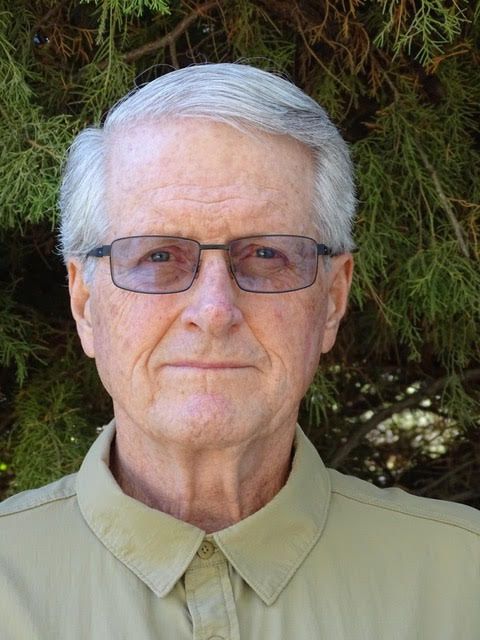
Robert Lane, Ph.D., M.A.
Professor Emeritus, Environmental Science, Policy, & Management
Dr. Russell Vance obtained his PhD in 2000 under the mentorship of David Raulet at the University of California, Berkeley. He conducted postdoctoral studies in the laboratories of John Mekalanos and Bill Dietrich at Harvard Medical School. He was appointed Assistant Professor at UC Berkeley in 2006, and is currently a Professor and HHMI Investigator. Infection is a constant threat to all living things. Most of us are oblivious of this threat because our immune system does a remarkable job of eliminating infectious microbes before they cause symptoms. The Vance group is interested in understanding how the immune system detects the presence of infectious microbes, using all the tools of modern molecular biology, biochemistry, and genetics to dissect the fundamental mechanisms that provide host defense. The group is also interested in understanding the mechanisms by which pathogens evade host immunity and cause disease.
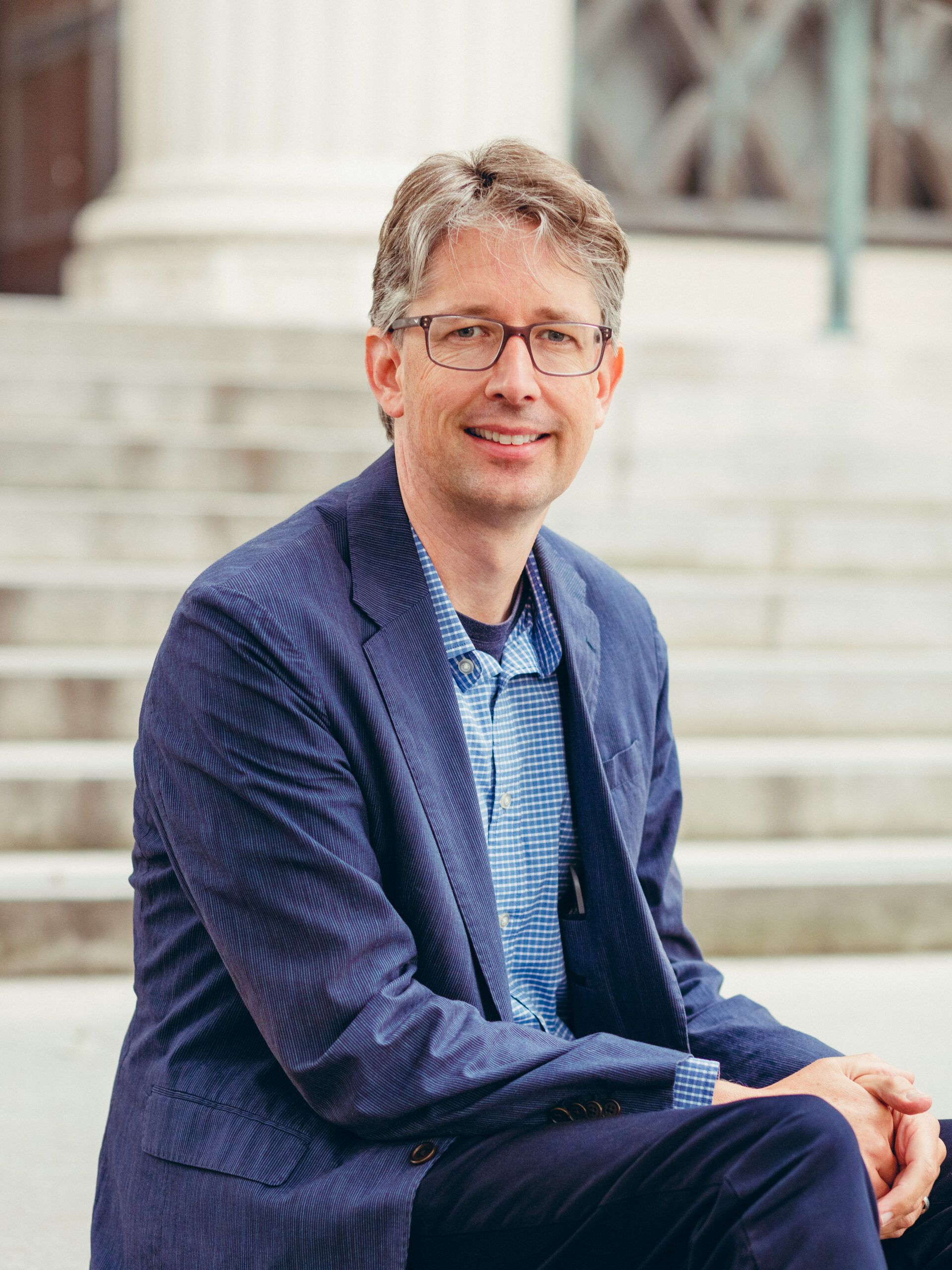
Russell Vance, Ph.D., M.A.
Professor, HHMI Investigator, Molecular and Cell Biology
Dr. Sangwei Lu studies foodborne diseases, outbreaks, Salmonella, and child-friendly formulations of antibiotics.
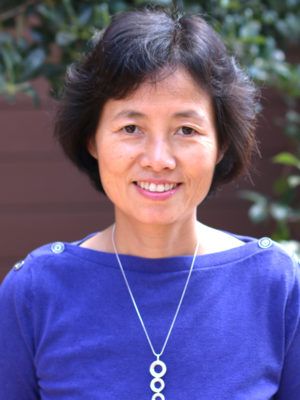
Sangwei Lu, Ph.D.
Adjunct Professor, Comparative Biochemistry
Tuberculosis (TB) disease, caused by infection with the intracellular pathogen Mycobacterium tuberculosis (Mtb) remains a leading cause of mortality globally. Interestingly, only 5-10% of Mtb-exposed individuals are estimated to develop active TB in their lifetime, thus posing host-specific factors as mediators of risk of progression to disease. These host factors include several defects in innate and adaptive immunity, metabolic dysregulation, co-infections and comorbidities, and genetic polymorphisms that could mediate susceptibility to TB disease. The focus of the Suliman laboratory is to generate hypotheses from systems biology approaches, such as genome-wide association studies, transcriptional and metabolomic profiling, and expression quantitative trait loci, to identify candidate TB risk pathways and functionally evaluate their roles in TB progression.
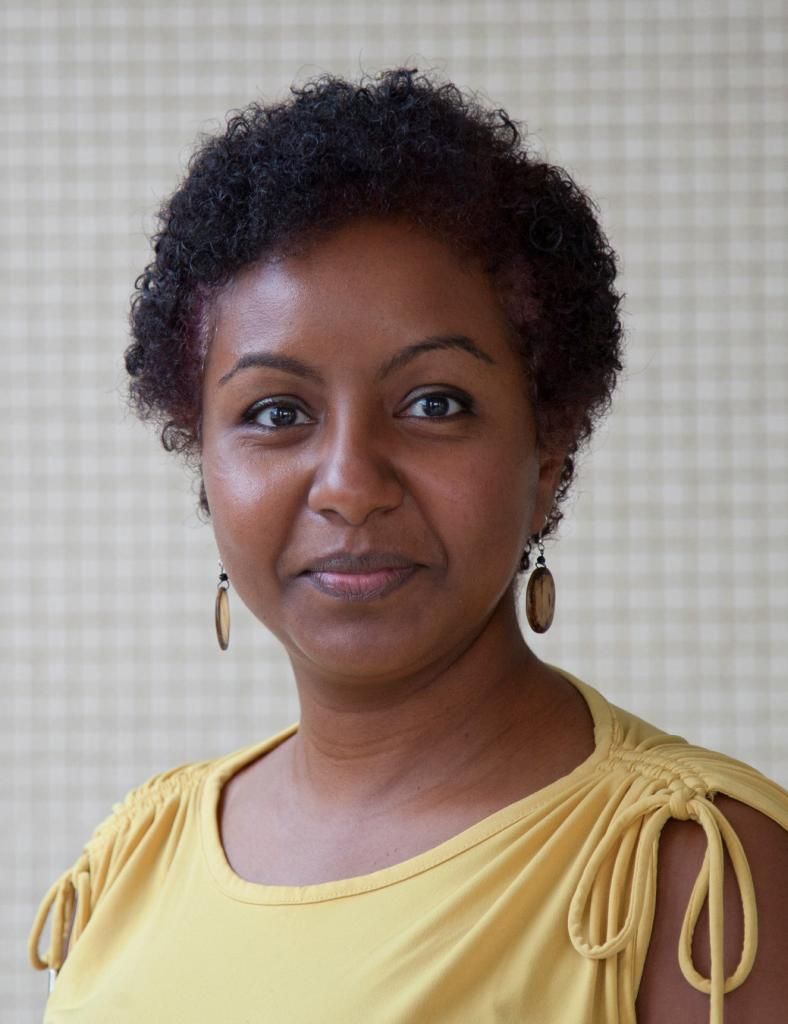
Sara Suleiman, Ph.D., M.P.H.
Assistant Professor, School of Medicine, UCSF
Shankar Sastry received his B.Tech. from the Indian Institute of Technology, Bombay, 1977, a M.S. in EECS, M.A. in Mathematics and Ph.D. in EECS from UC Berkeley, 1979, 1980, and 1981 respectively. He holds faculty appointments in the Departments of Electrical Engineering and Computer Sciences, Bioengineering, and Mechanical Engineering, and served as dean of the College of Engineering from 2007 to 2018. He was formerly the Director of CITRIS (Center for Information Technology Research in the Interest of Society) and the Banatao Institute @ CITRIS Berkeley. He served as chair of the EECS department from January, 2001 through June 2004. In 2000, he served as Director of the Information Technology Office at DARPA. From 1996-1999, he was the Director of the Electronics Research Laboratory at Berkeley, an organized research unit on the Berkeley campus conducting research in computer sciences and all aspects of electrical engineering. He is the NEC Distinguished Professor of Electrical Engineering and Computer Sciences and holds faculty appointments in the Departments of Bioengineering, EECS and Mechanical Engineering. Prior to joining the EECS faculty in 1983 he was a professor at MIT.
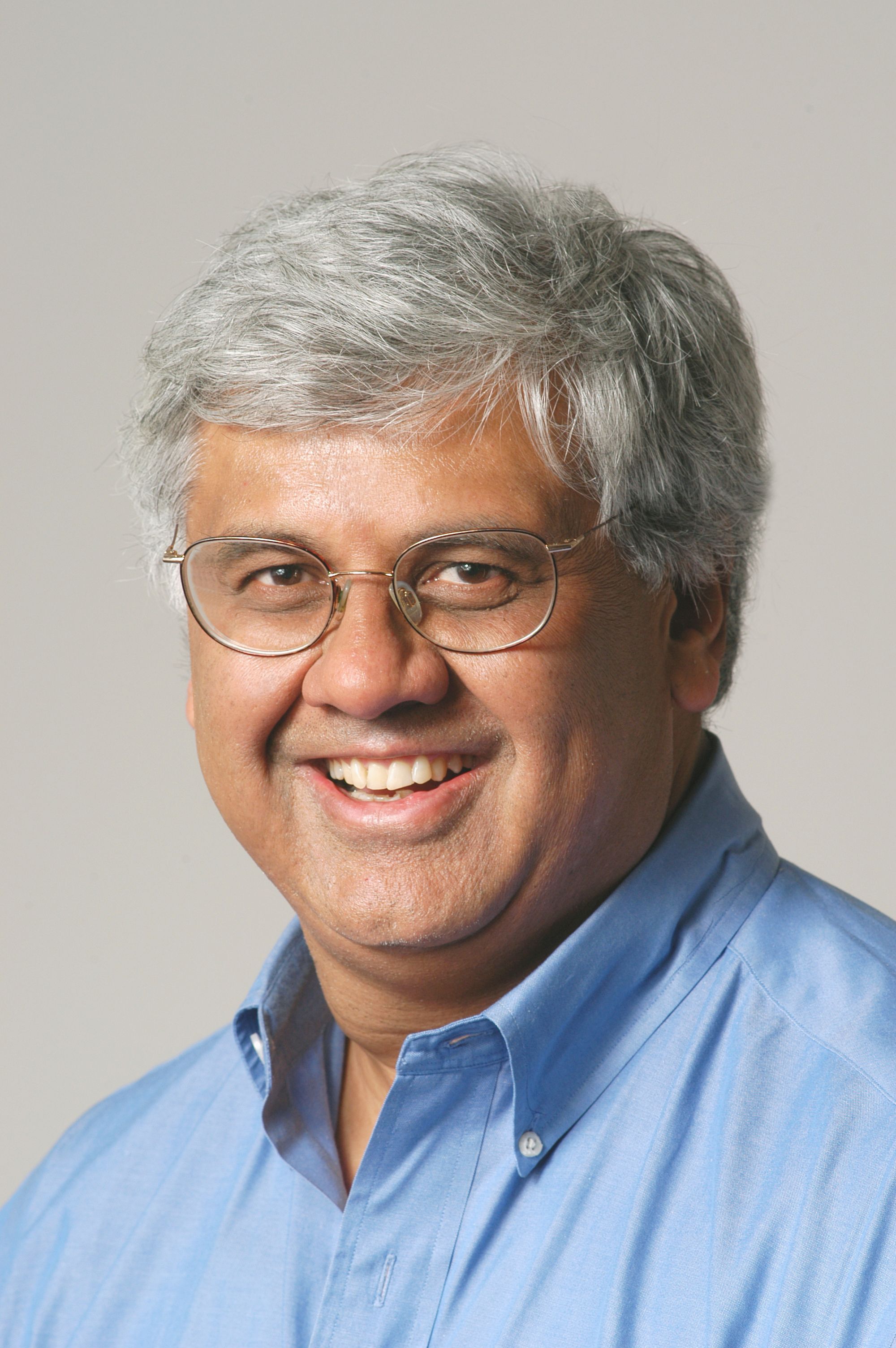
S. Shankar Sastry, Ph.D., M.S., M.A.
Professor, Bioengineering, Mechanical Engineering, Electrical Engineering
Dr. Stefano M. Bertozzi is former dean and professor of health policy and management at the UC Berkeley School of Public Health. Previously, he directed the HIV and tuberculosis programs at the Bill and Melinda Gates Foundation. Dr. Bertozzi worked at the Mexican National Institute of Public Health as director of its Center for Evaluation Research and Surveys. He was the last director of the WHO Global Programme on AIDS and has also held positions with UNAIDS, the World Bank and the government of the DRC. He is the founding editor-in-chief of Rapid Reviews Infectious Diseases (RRID), an open access, rapid-review overlay journal for the accelerated curation and peer review of infectious disease-related research. He serves or has served on governance and advisory boards for the Bay Area Global Health Alliance, the Tsinghua Vanke School of Public Health, the Global Virus Network, the East Bay Community Foundation, HopeLab, the Institute for Transformative Technologies, UNICEF, WHO, UNAIDS, the Global Fund to Fight AIDS, Tuberculosis and Malaria, PEPFAR, the NIH, Duke University, the University of Washington and the AMA. He has advised NGOs, and ministries of health and social welfare in Asia, Africa and Latin America. He is a member of the National Academy of Medicine. He holds a bachelor’s degree in biology and a PhD in health policy and management from the Massachusetts Institute of Technology. He earned his medical degree at UC San Diego, and trained in internal medicine at UC San Francisco.
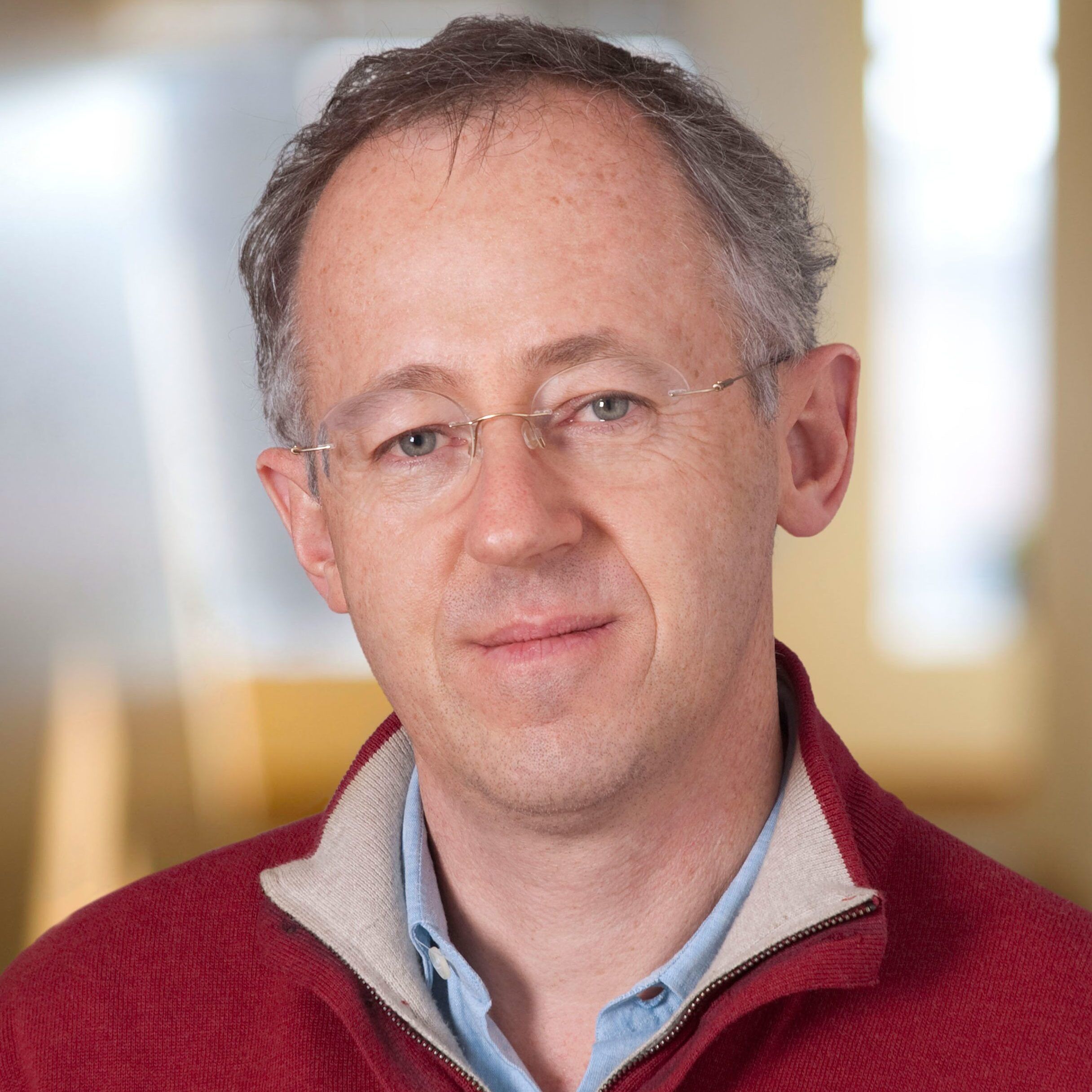
Stefano Bertozzi, M.D., Ph.D.
Professor, Health Policy and Management, School of Public Health
Dr. Stephen Popper is a Lecturer in the Division of Infectious Diseases and Vaccinology at the Berkeley School of Public Health. Dr. Popper has a long-standing interest in developing and applying molecular and genomic tools to better understand the epidemiology of infectious disease. Recent work has explored how the human immune transcriptome – the patterns of gene expression in immune cells – can be leveraged to understand differences in the outcomes of infection and vaccination and to identify diagnostic and prognostic biomarkers for acute infections. Dr. Popper is also a technical advisor to PIVOT, a nonprofit working to strengthen healthcare systems in Madagascar, and is involved in efforts to strengthen scientific capacity and opportunities in low-resource settings.
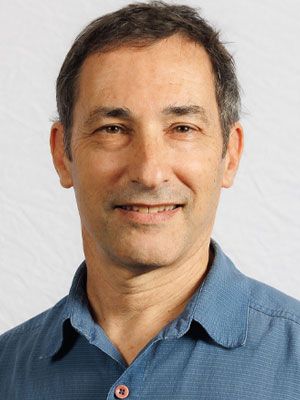
Stephen Popper, Sc.D.
Lecturer, Infectious Diseases and Vaccinology, School of Public Health
Dr. Brenner is a computational biologist with a variety of interests spanning from cell biology to human genetics. Areas of current interest include gene regulation by alternative splicing and nonsense-mediated mRNA decay; prediction of protein function using Bayesian phylogenetics; medical and environmental metagenomis; structural genomics and protein complexes; and application of next generation sequencing in the clinical genetic setting.
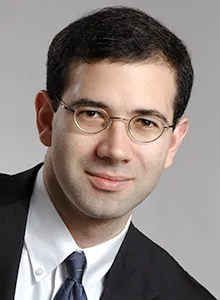
Steve Brenner, Ph.D.
Professor, Bioengineering, Molecular and Cell Biology, Plant and Microbial Biology
Sulggi Lee, MD PhD, is a Professor of Medicine at the University of California, San Francisco (UCSF) and a faculty member in the Division of HIV, Infectious Diseases, and Global Medicine. She also serves as an attending physician at the San Francisco General Hospital inpatient infectious diseases and HIV consult service and in the Ward 86 HIV Clinic. Through patient-oriented studies, her team uses high throughput genetic, immunologic, and mathematical modeling to identify host-specific mechanisms of disease. Projects include studies investigating the effect of chronic inflammation on cardiovascular disease, host factors involved in HIV persistence, and the impact of methamphetamine (MA) use on worsening health outcomes in people with HIV (PWH). Dr. Lee is the PI of UCSF Treat Acute HIV cohort, which provides immediate antiretroviral therapy (ART) to newly diagnosed acute HIV individuals in the San Francisco Bay Area, PI of the Effect of Methamphetamine on Residual Latent HIV Disease (EMRLHD) cohort, Co-I of the UCSF SCOPE HIV cohort, which includes over 2,500 HIV+ infected participants, and during the COVID-19 pandemic, she developed the acute COVID-19 Host Immune Response Pathogenesis (CHIRP) cohort. Her current funding includes an NIH NIAID R01 grant to explore the mechanisms by which NOD-like receptor 3 (NLRP3) inflammasome signaling drives systemic inflammation during chronic treated HIV disease, an NIH NIDA R61/R33 award to identify mechanisms by which methamphetamine (MA) contributes immune dysfunction and residual HIV transcription during ART, and an NIAID R56/R01 award to characterize early host responses during acute treated HIV.
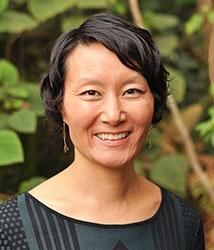
Sulggi Lee, M.D., Ph.D.
Professor, School of Medicine, UCSF
Suzanne Fleiszig is a Professor of Optometry and Vision Science. The Fleiszig Lab's research is focused on understanding pathogenesis of bacterial infection, using the cornea and the opportunistic pathogen Pseudomonas aeruginosa as model systems. Studies are aimed at understanding the molecular factors that prevent bacterial penetration of epithelia during health, how the functionality of that defense system is modulated, and the bacterial factors that enable penetration when the system is compromised. By studying the eye's defensive mechanisms and determining what microbial factors involved in initiating disease, we hope to develop therapeutics for preventing/treating infection on multiple surfaces of the body. Our epithelial surfaces are normally resistant to infection. Therefore, researchers who study infectious disease in vivo commonly resort to use of models that deliberately compromise the target tissue (or otherwise bypass barriers) so that disease can be enabled and studied. These infection models have led to a plethora of important information about factors involved in pathology and/or its resolution when disease is initiated. However, other models are needed to study barriers to infection, or early events that occur prior to disease initiation when it occurs in the absence of overt injury. The Fleiszig laboratory has developed novel in vivo and in vitro methods for studying defenses during health using the eye and the opportunistic bacterium Pseudomonas aeruginosa as models. They have also advanced imaging technologies that enable us to see into the living epithelium to observe what bacteria do and how the tissue responds in either resistant or susceptible states. Using these methods, and employing array/knockout/knockdown technologies, they have identified specific factors that modulate the ability of bacteria to penetrate the ocular surface epithelium. The data show that pathogen recognition systems are involved in resistance, and suggest that bacterial adaptation in vivo contributes to pathogenesis. Studies aimed at understanding early interactions between microbes and the ocular surface prior to disease initiation have potential for development of novel methods to prevent (rather than simply treat) infection of the eye or other sites.
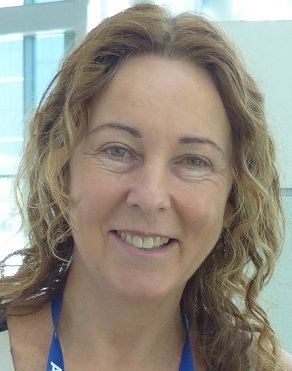
Suzanne Fleiszig, O.D., Ph.D.
Professor, School of Optometry
The simultaneous revolutions in energy, molecular biology, nanotechnology and advanced scientific computing, is giving rise to new interdisciplinary research opportunities in theoretical and computational chemistry. The research interests of the Teresa Head-Gordon lab embraces this large scope of science drivers through the development of general computational models and methodologies applied to molecular liquids, macromolecular assemblies, protein biophysics, and homogeneous, heterogeneous catalysis and biocatalysis. She has a continued and abiding interest in the development and application of complex chemistry models, accelerated sampling methods, coarse graining and multiscale techniques, analytical and semi-analytical solutions to the Poisson-Boltzmann Equation, and advanced self-consistent field (SCF) solvers and SCF-less methods for many-body physics. The methods and models developed in her lab are widely disseminated through many community software codes that scale on high performance computing.
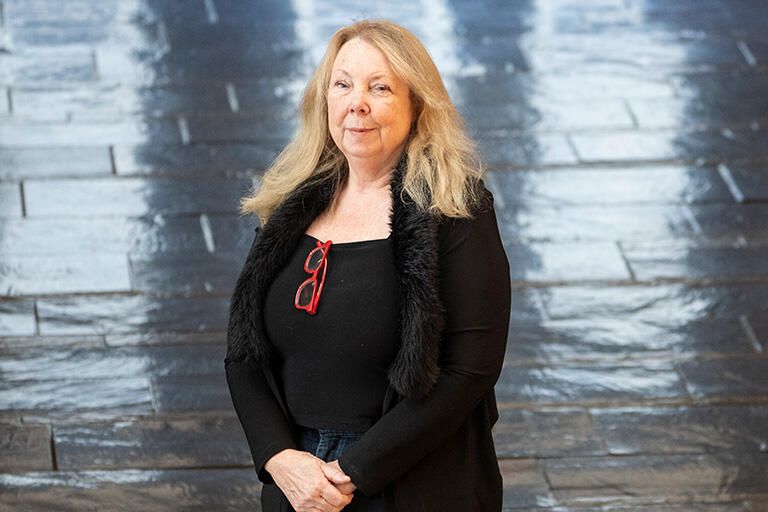
Teresa Head-Gordon, Ph.D.
Chancellor's Professor, Chemistry, Bioengineering, Chemical and Biomolecular Engineering
Tierra Smiley Evans is an assistant professor of Emerging Zoonoses at the School of Public Health with a joint appointment in the department of Integrative Biology. Her research investigates how anthropogenic forest change alters the ecology and evolution of zoonotic viruses. The Smiley Lab studies the relationship between global forest change, biodiversity loss and disease emergence and how we expect patterns of disease spillover at newly created forest edges to impact human and wildlife health.
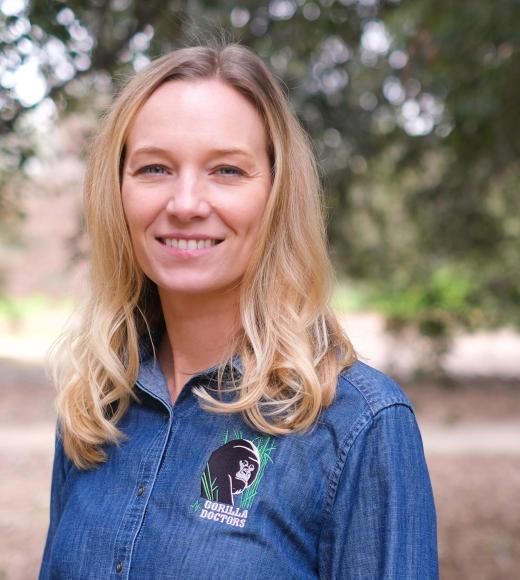
Tierra Smiley Evans, D.V.M., Ph.D.
Assistant Professor, Integrative Biology, School of Public Health
Tom Bruns’s core scientific focus is fungal biology. In an era when organismal sciences and traditional “-ologies” may receive less emphasis, he remains unapologetically committed to advancing Mycology. Within this broad field, his primary emphasis has been fungal ecology, particularly at the levels of community ecology and autecology. This work is critical, as fungi play essential roles in all terrestrial ecosystems yet remain significantly understudied relative to their ecological importance. Bruns’s earlier research centered largely on ectomycorrhizal fungi and included developing molecular tools for identifying fungi in environmental samples; investigating the determinants of fungal community structure; examining the autecology and population structure of key ectomycorrhizal species; studying the ecology and evolution of non-photosynthetic, epiparasitic plants and their fungal hosts; analyzing the structure, behavior, and function of ectomycorrhizal spore banks; exploring landscape-level patterns of spore dispersal and tree recruitment; and conducting population genomics research on Suillus brevipes.
Tom Bruns, Ph.D., M.S.
Professor Emeritus, Plant and Microbial Biology
The research program in Vincent Resh's laboratory follows three lines: (1) studies of the evolutionary biology and ecology of aquatic insects, crustaceans, and molluscs in stream and river habitats; (2) the evaluation of habitat manipulations for use in environmental restoration or enhancement, control of water-borne disease vectors of humans, and the use of manipulations in examining underlying influences of ecological interactions; and (3) and the development of techniques for the biological assessment of water quality. The ecological studies of aquatic invertebrates involve descriptive and experimental approaches to life history studies, herbivore-plant interactions, effects of disturbance, and other topics related to population dynamics, biotic and abiotic interactions, and community structure and function. These studies currently are being conducted in California coastal streams and on the diadromous fauna in oceanic island streams near the UC Berkeley research station in Moorea, French Polynesia. Previous research has been on the control of vectors of river blindness (onchocerciasis) in West Africa through the World Health Organization, and evaluation of the impact of large dams on the Mekong and other Southeast Asian rivers, through various international agencies. In his research on habitat manipulations, emphasis has been on developing an understanding of how hydraulic forces affect the distribution of organisms, and how these forces can be modified to enhance running-water habitats in stream restoration. These approaches have been used in the habitat restoration of Strawberry Creek on the U.C. Berkeley campus. Habitat manipulations have also been used to control pestiferous and disease-transmitting mosquitoes. Research in the biological assessment of water quality involves the use of several long-term data sets (> 20 years in duration) to evaluate the natural variability in unperturbed systems, levels of change that occur in perturbed systems, and to use this information in establishing thresholds to indicate whether impact has occurred. Current research also includes the development of population, community, and ecosystem indicators for use in water quality assessment. Related to these topics are the development of methods for the evaluation of mitigation procedures and habitat restoration programs. He is particularly interested in developing approaches that can be used for biological monitoring and assessment of water quality in developing countries and by volunteer monitoring groups. He has conducted this research in over a score of countries in Africa and Asia. In summary, the current and future research directions that he encourages the students in his laboratory to pursue involve basic, quantitative research in aquatic entomology and ecology, and the incorporation of this research into a framework that can be used to solve applied problems of water-quality assessment and habitat restoration. Graduates from this laboratory continue to pursue these goals in universities, environmental consulting firms, industries, and government agencies.
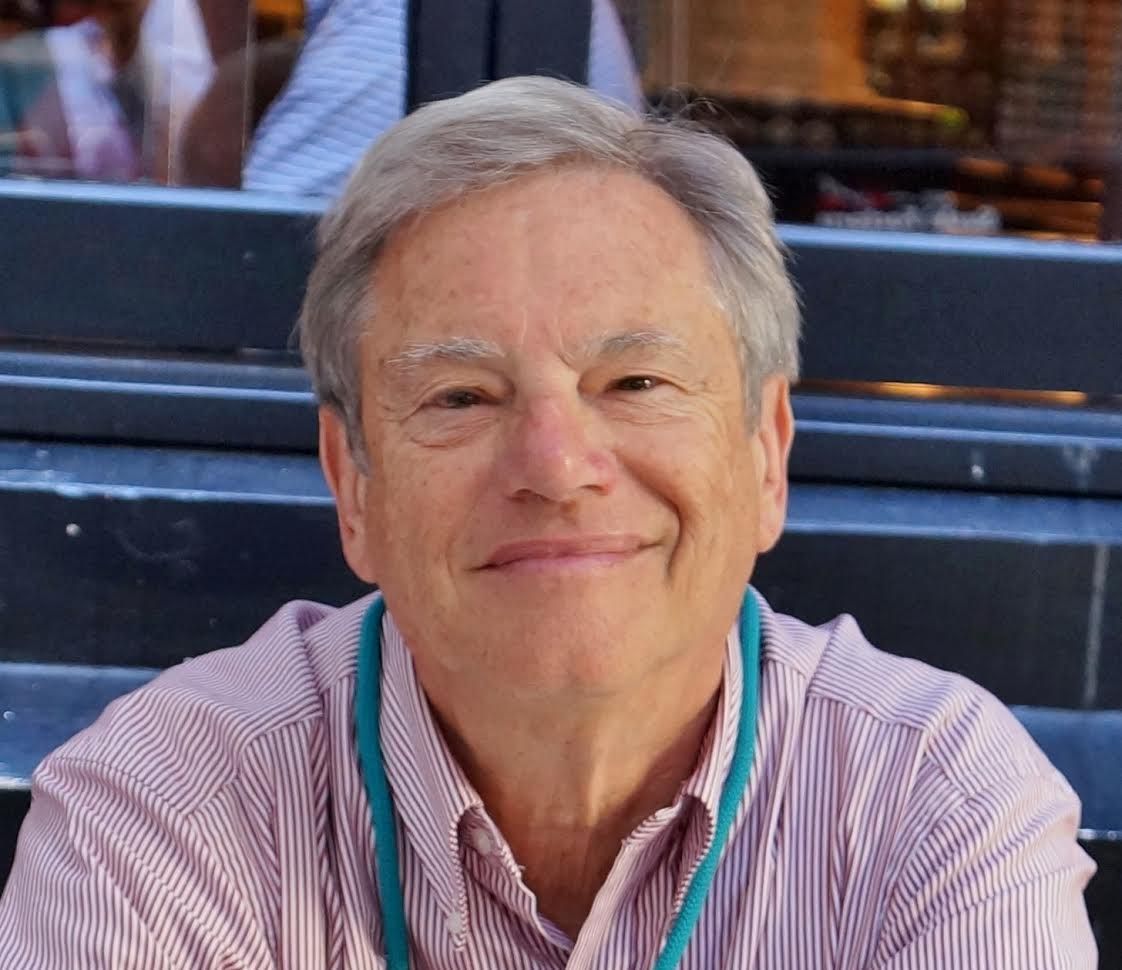
Vincent Resh, Ph.D.
Professor, Environmental Science, Policy and Management
Wayne Getz is a professor in the graduate school of the Department of Environmental Science, Policy, and Management. Students and postdoctoral students in his laboratory work on a broad range of theoretical and applied questions in population and biology with application to epidemiology and conservation biology.
Wayne Getz, Ph.D., D.Sc.
Professor, Environmental Science, Policy and Management
Ziyang Zhang is an assistant professor of chemistry and chemical biology in the Department of Chemistry. His lab creates chemical tools to tweak our immune system and enable new therapeutic mechanisms for cancer and autoimmune diseases. The Zhang lab integrates organic chemistry, chemical proteomics and functional genomics to discover new mutant-specific covalent ligands and chemical modulators of the adaptive immune response.
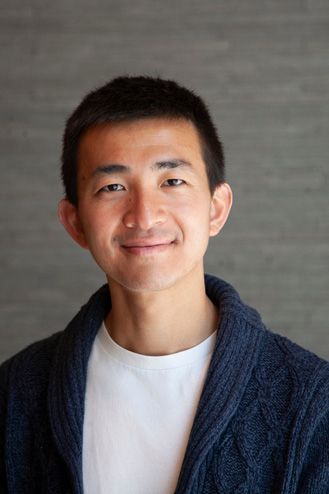
Ziyang Zhang, Ph.D.
Assistant Professor, Chemistry
2026 CEND FELLOWS
Augusta Uwamanzu-Nna is a 5th-year M.D./Ph.D. student in Bioengineering at University of California, San Francisco and University of California, Berkeley. Originally from Long Island, she studied Bioengineering at Harvard University. She is passionate about developing diagnostics and health-monitoring tools to promote the health and well-being of individuals in America and abroad. As a Ph.D. candidate in Dr. Deborah Dean’s lab, she studies the role of the ocular microbiome in trachoma, a neglected tropical disease and the leading cause of infectious blindness, particularly in global and underserved populations. Proudly Nigerian-American, Augusta enjoys listening to and dancing to Afrobeats, traveling to learn about and experience new cultures, and trying new cuisines in her free time.
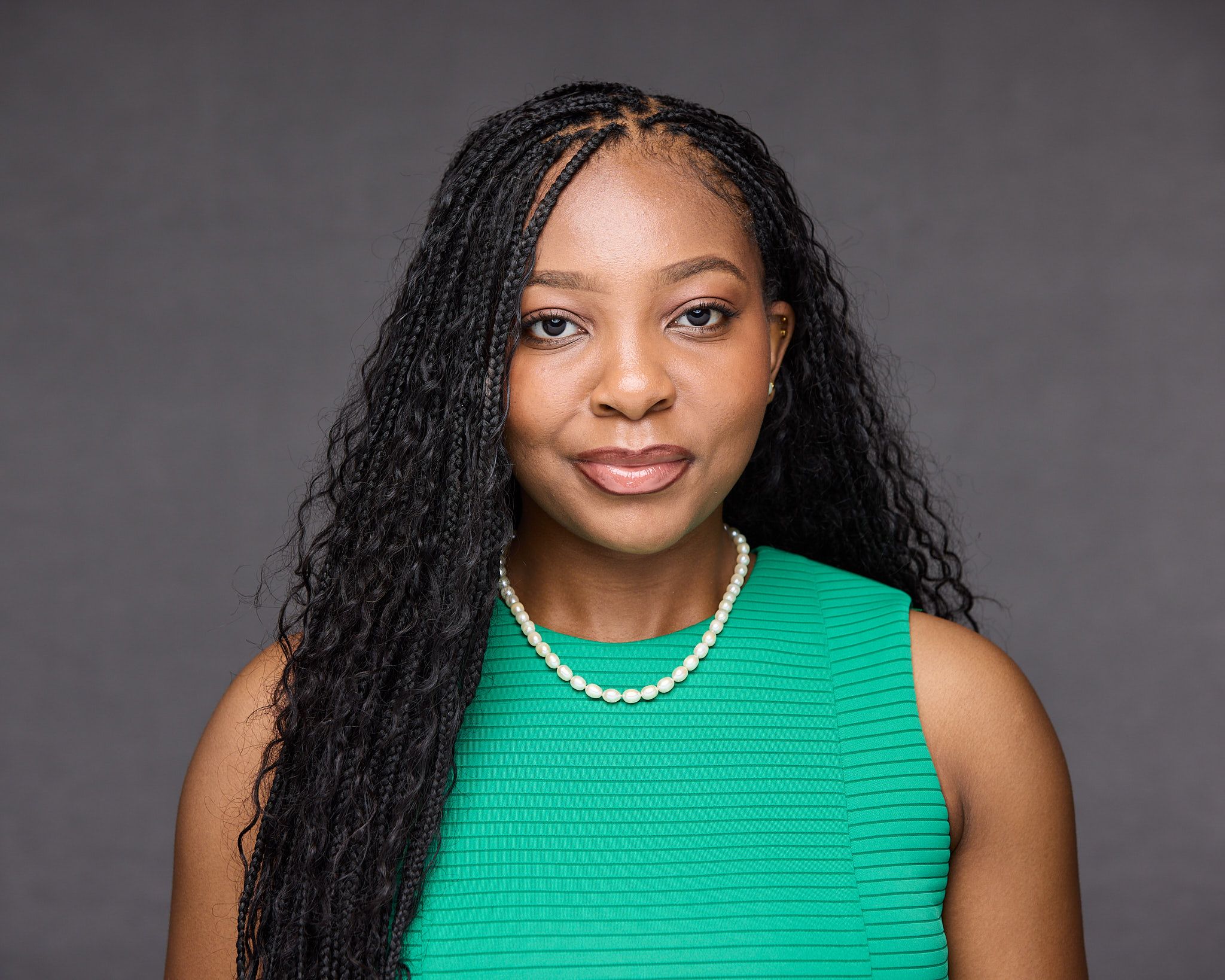
Augusta Uwamanzu-Nna
Irving H. Wiesenfeld Fellow | M.D./Ph.D.(c), UC Berkeley-UCSF Joint Bioengineering program
Bridgett Rios is a Ph.D. student in Infectious Disease and Immunology at University of California, Berkeley working in Dr. Molly Ohainle’s lab. She received her B.A. in Biology with a minor in African Studies from University of North Carolina at Chapel Hill. While at Chapel Hill, she worked in Dr. Peggy Cotter’s lab to characterize the genetic mechanisms behind biofilm variation in Burkholderia thailandensis. Her current research focuses on identifying host factors that regulate HIV transcription and latency using HIV-CRISPR screening approaches. Motivated by her grandfather’s work in HIV research and commitment to underserved communities, Bridgett is particularly interested in bridging molecular virology with global health initiatives. Through the CEND fellowship, she hopes to expand international collaborations and develop accessible research training opportunities focused on infectious disease and human health.
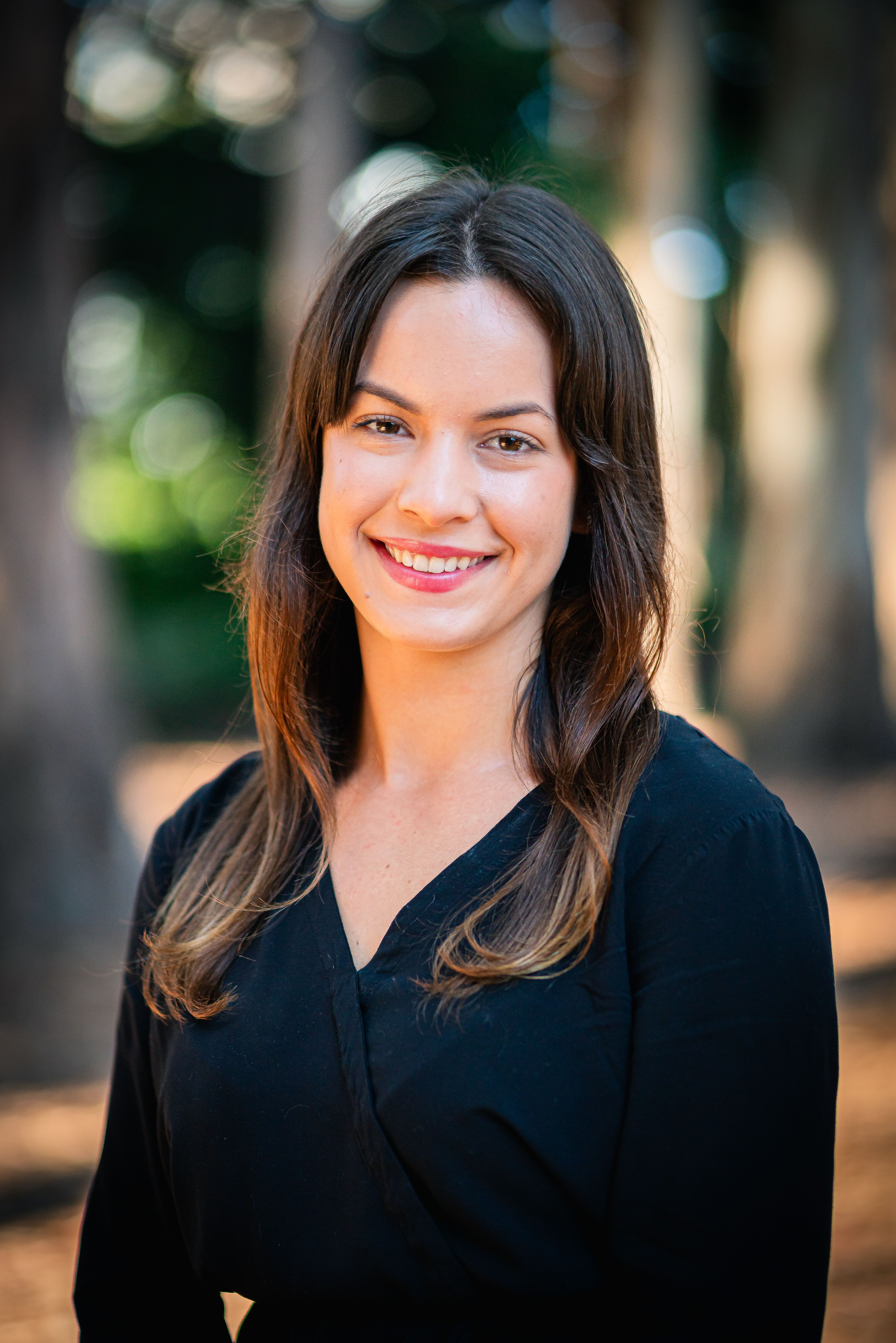
Bridgett Rios
White Fellow | Ph.D.(c), Infectious Diseases and Immunity
Elias Duarte is a PhD student in the IDI program at UC Berkeley in the Eva Harris Lab, where he studies antibody responses to dengue and Zika viruses. His research focuses on viral envelope proteins, fusion loop antibodies, and immune cross-reactivity to better understand how prior viral exposure shapes antibody recognition and disease outcomes.
Elias Duarte
Sidney MacDonald Russell Fellow | Ph.D.(c), Infectious Diseases and Immunity
Jacob is a postdoctoral scholar in the PETAL Lab at UC Berkeley, where he develops and applies infectious disease transmission models to assess the impact of public health interventions, with particular focus on filoviruses such as Ebola. His research contributes to pandemic preparedness and the elimination of diseases that disproportionately affect vulnerable populations around the world. He completed his PhD in infectious disease epidemiology at Imperial College London, where he used individual-based stochastic models to investigate the dynamics of onchocerciasis transmission and elimination in sub-Saharan Africa. This work included field collaboration with CDC in rural Ghana, and the coordination of a multi-country research network to consolidate unused datasets. Prior to his PhD, he earned Master’s degrees from the University of Warwick and Imperial College London, building a broad foundation in biomedical science and quantitative research. He also worked in the pharmaceutical industry, where he supported evidence-based claims for consumer healthcare products. Outside of research, he is an aviation enthusiast and avid traveller, having visited 114 countries.
Jacob Stapley, Ph.D., MBio, MRes
Kathleen L. Miller Fellow | Postdoctoral Scholar, PETAL Lab, School of Public Health
Kendra is a postdoctoral scholar in Dr. Amy Pickering’s lab group. Her research focuses on improving and implementing environmental surveillance tools for soil-transmitted helminths (STH) in endemic countries. Kendra completed her Ph.D. in Comparative Biomedical Sciences at UW-Madison where her research focused on drug target discovery and molecular surveillance tools for vector-transmitted parasitic nematodes. As a CEND fellow, her research focuses on the impacts of seasonal variation on STH transmission risk.
Kendra Dahmer, Ph.D.
Kathleen L. Miller Fellow | Postdoctoral Scholar, Pickering Lab, Civil and Environmental Engineering
Kylee Hoffman is a PhD student in the Demography Department at UC Berkeley, where she is advised by Dr. Ayesha Mahmud. Kylee’s research incorporates demographic modeling and statistical methods to examine how individual-level dynamics shape population health, specifically focusing on how shared immune histories influence broader patterns in infectious disease mortality. In one line of work, she investigates how childhood immune imprinting shapes population-level cohort trends in U.S. influenza mortality. Another current project explores how measles-induced “immune amnesia” contributes to overall infectious disease mortality in Brazil. At Berkeley, she is a Computational Social Science fellow and Mentored Research Award recipient. Prior to Berkeley, she received her BA in Geography and Data Science from the University of Washington.
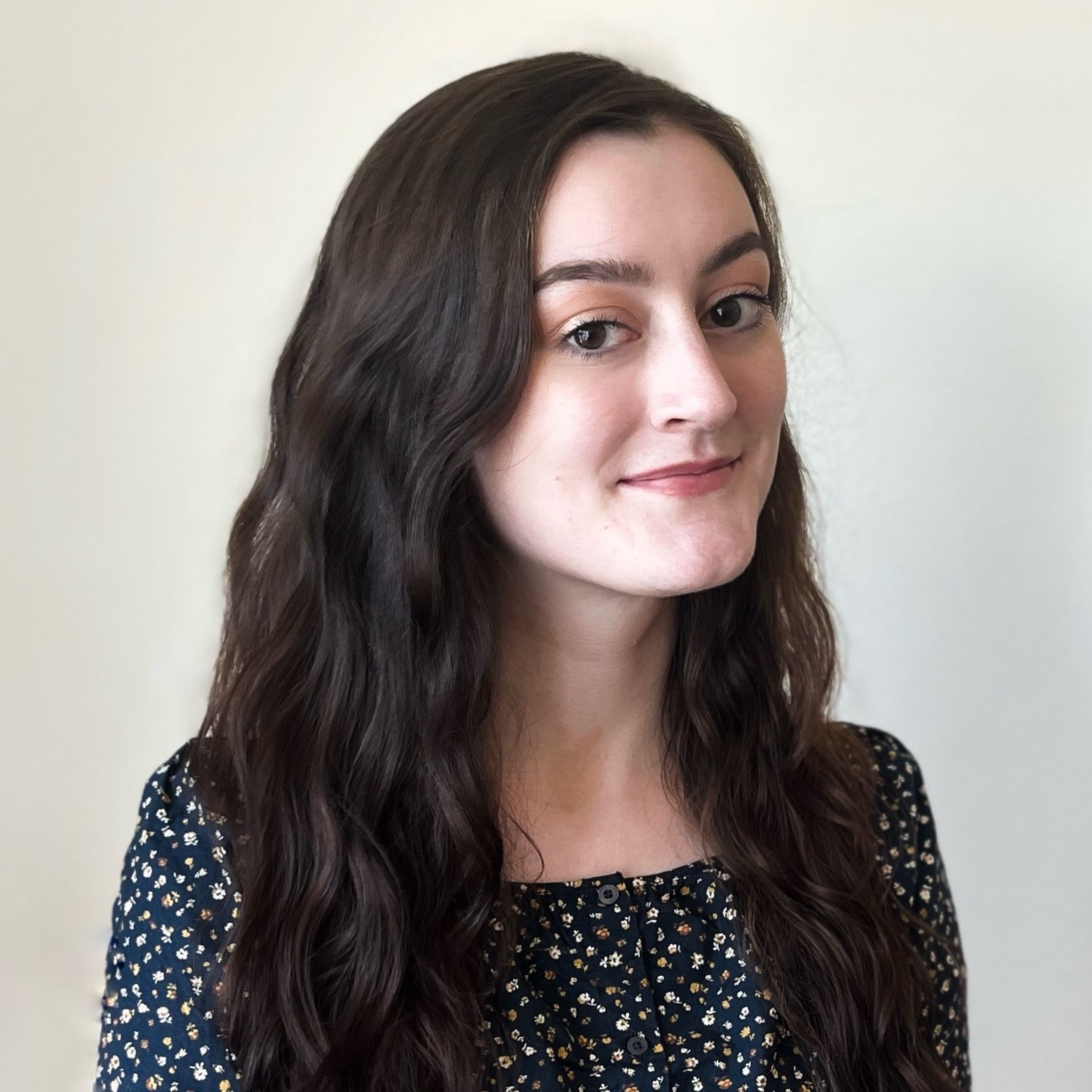
Kylee Hoffman
Sidney MacDonald Russell Fellow | Ph.D.(c), Demography
Born and raised in the Amazon rainforest, Maria Astolfi is a bioengineer building technologies at the intersection of synthetic biology, biodiversity, and global public health. She is currently a Ph.D. candidate in Bioengineering at UC Berkeley in the laboratory of Prof. Jay Keasling, where she develops AI-guided and automated platforms to enhance microbial production of biodiversity-derived pharmaceuticals. Her research focuses on QS-21, a potent vaccine adjuvant extracted from Quillaja saponaria (Küllay, soapbark tree) and used in the world’s first approved malaria vaccine. Her goal is to replace extractive supply chains from threatened forests with sustainable microbial production to expand access to life-saving vaccines. Maria previously worked at Ginkgo Bioworks using its biofoundry to scale engineered microbes for industrial applications, and co-founded the first synthetic biology laboratory in the Amazonian region of Brazil. She is also a Fellow at the Indigenous Futures Institute at UC San Diego, where she worked with Prof. Keolu Fox (Kānaka Maoli) on ethical bioeconomy frameworks with Indigenous Peoples and Local Communities. Through the CEND Fellowship, Maria is advancing initiatives for equitable benefit-sharing around QS-21 with Chilean collaborators and Mapuche communities connected to the stewardship of Quillaja saponaria.
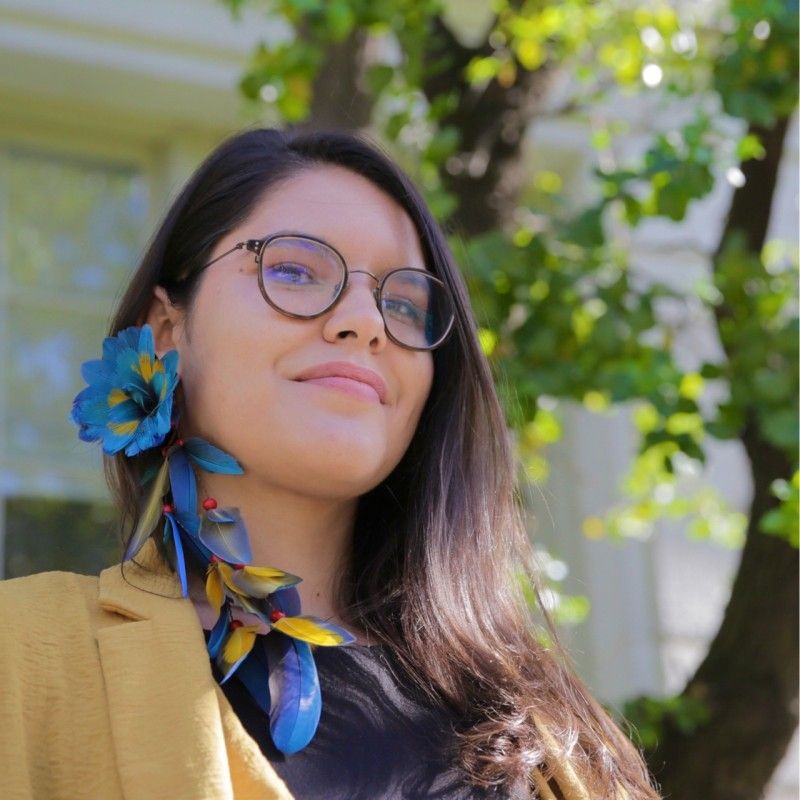
Maria Astolfi
Irving H. Wiesenfeld Fellow | Ph.D.(c), Bioengineering
Yun-Hung (Jordy) Tu is a Ph.D. candidate in the Infectious Diseases and Immunity Program at University of California, Berkeley. In the laboratory of Dr. Filipa Rijo-Ferreira, he studies the circadian biology of malaria parasites. By developing a novel benchtop automated continuous-culture system, Jordy investigates how rhythmic changes in oxygen tension influence parasite population synchrony and intracellular redox states. He received B.S. in Medical Laboratory Science and Biotechnology from Taipei Medical University, Taiwan and M.Sc. in Immunology of Infectious Diseases from London School of Hygiene; Tropical Medicine, UK. During his undergraduate and master’s training, Jordy was actively involved in international infectious disease research and health education. He participated in soil-transmitted helminth control and community health education programs in Eswatini and Cambodia and contributed to a Zika virus immunoepidemiology study in the Philippines. Through the CEND Fellowship, Jordy hopes to collaborate with researchers and global health practitioners to transform laboratory discoveries into affordable and accessible tools for infectious disease control in resource-limited settings.
Yun-Hung (Jordy) Tu, M.Sc.
White Fellow | Ph.D.(c), Infectious Diseases and Immunity
2025 CEND FELLOWS
Drew Ramos is a Ph.D. candidate in the UC Berkeley–UCSF Joint Ph.D. Program in Bioengineering. He received his undergraduate degree in bioengineering, where he conducted research in biomaterials and regenerative medicine, and later interned at the University of Pennsylvania contributing to drug delivery research for lung cancer imaging. In Dr. Adam Abate's lab, Drew is developing a novel diagnostic platform for rapid, multiplexed detection of central nervous system pathogens, addressing the global burden of undiagnosed encephalitis and meningitis. As an Alber Fellow, he is collaborating with UCSF infectious disease experts to clinically validate the assay and integrating machine learning to expand its applications for transplant infection monitoring and antimicrobial resistance genotyping. Drew is passionate about developing scalable, affordable technologies that can be deployed in the regions that need them most, ensuring patients receive timely diagnoses regardless of geography or infrastructure.
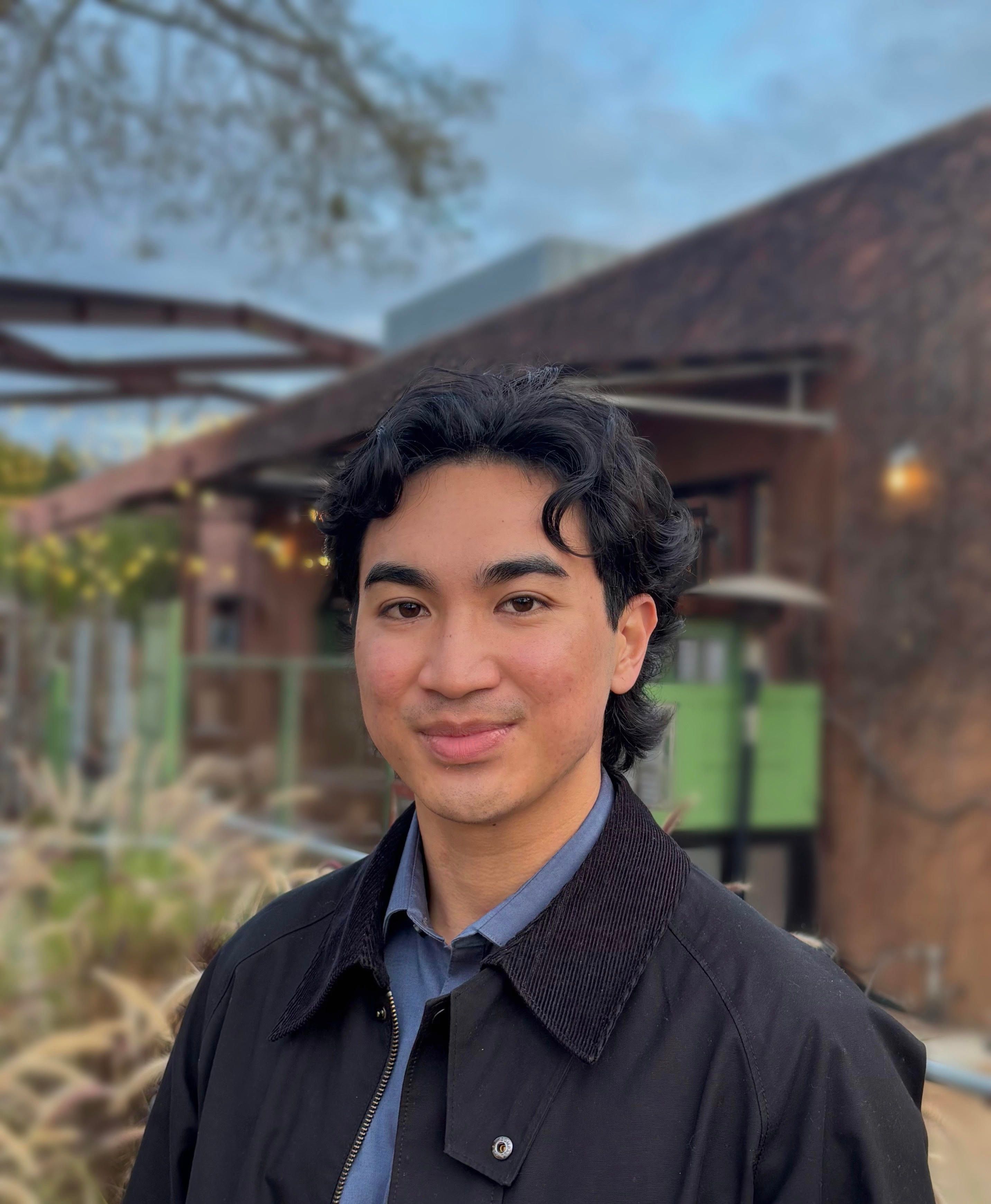
Drew Ramos
Kathleen L. Miller Fellow | Ph.D.(c), UC Berkeley-UCSF Joint Bioengineering program
Felix Pahmeier is a Ph.D. candidate in the Infectious Diseases and Immunity program at UC Berkeley's School of Public Health. He completed his undergraduate degree at Muenster University investigating co-infections of viruses and bacteria, and earned his Master's in Molecular Biosciences - Infectious Diseases from Heidelberg University, where he worked on virus-derived replication organelles. In Dr. Eva Harris's lab, Felix studies mechanisms of vascular leak in flavivirus and bunyavirus infections. As a CEND Fellow, he is pursuing a new line of investigation into the long-term consequences of viral infections on the human vasculature and their potential implications for public health. Felix is passionate about emerging and neglected diseases because they affect the most vulnerable communities and exacerbate global health inequalities.
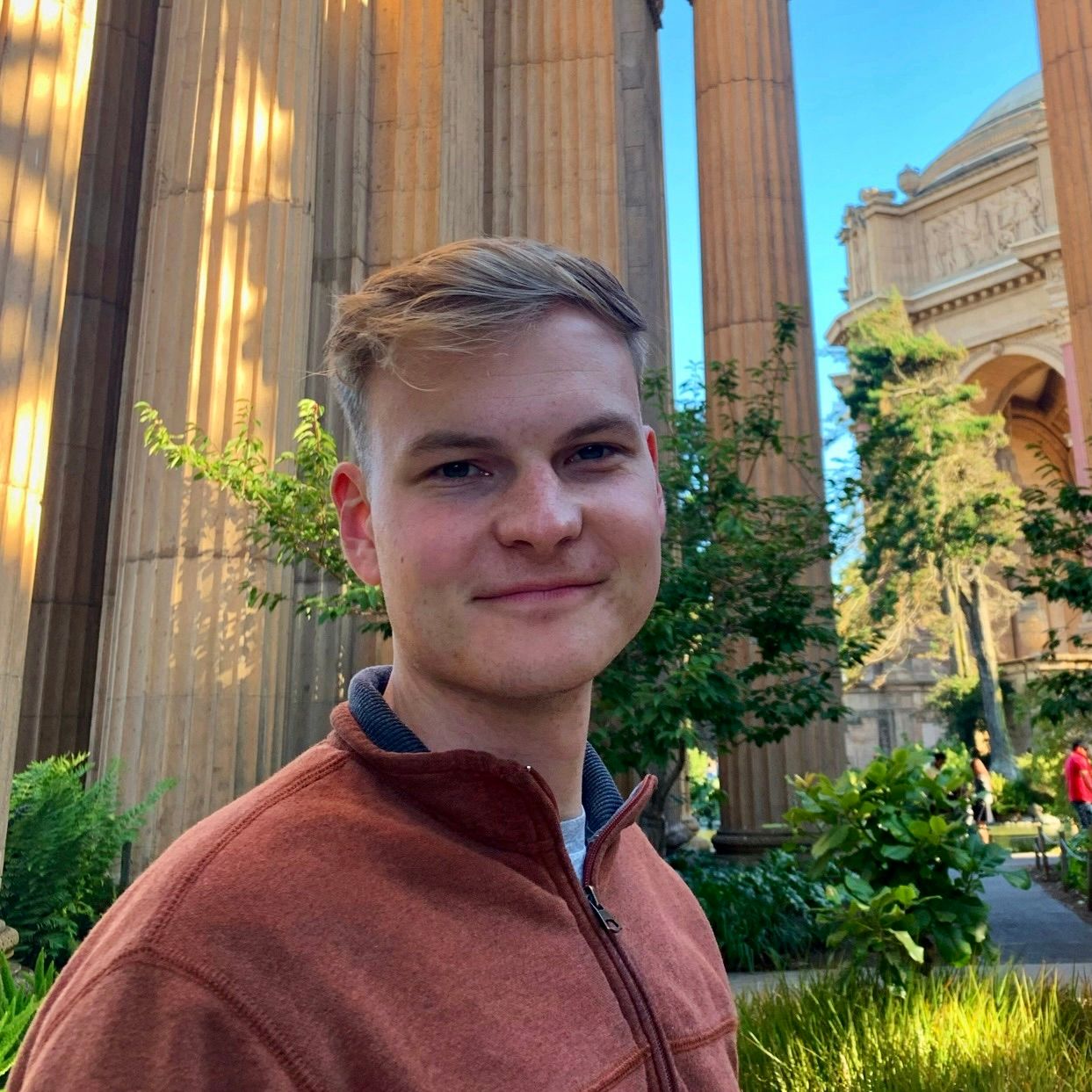
Felix Pahmeier
Thomas C. Alber Fellow | Ph.D.(c), Infectious Diseases and Immunity
Grace Toolsie is a Master of Public Health candidate in the division of Infectious Diseases and Vaccinology at UC Berkeley. She received her Bachelor's degree in Public Health at UC Berkeley. During her undergraduate studies, she pursued research projects ranging from Next-Generation Sequencing for invasive arthropod detection in the South Pacific to studies on physician-patient relationships and healthcare outcomes. Grace is currently conducting research with the Rosenthal/Conrad Lab at UCSF, where she investigates polyclonal Plasmodium falciparum infections in Uganda and their contribution to antimalarial drug susceptibility phenotypes.
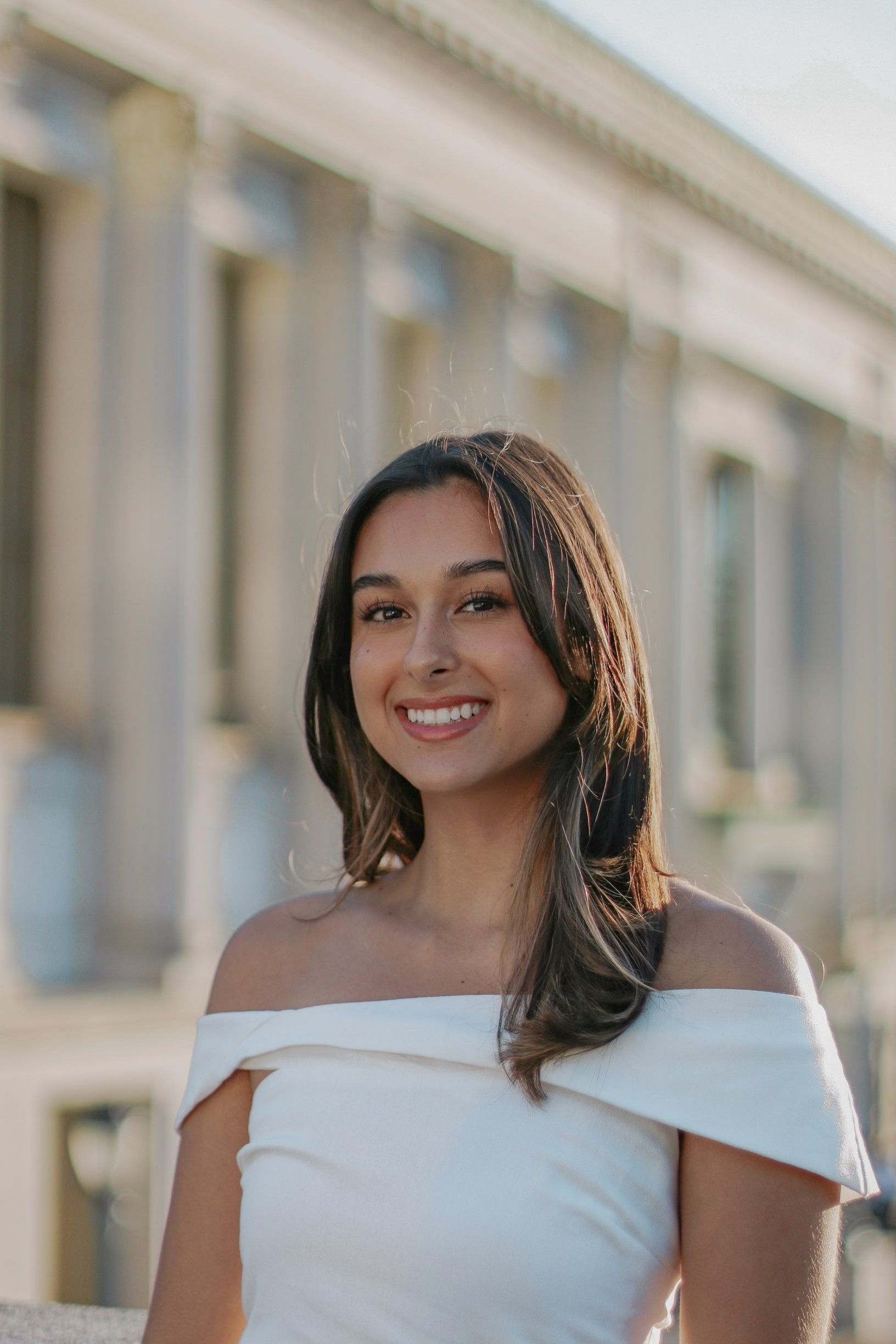
Grace Toolsie
Sidney MacDonald Russell Fellow | M.P.H.(c), Infectious Diseases and Vaccinology
Leen Arnaout is a Ph.D. candidate in the UC Berkeley–UCSF Graduate Program in Bioengineering. She received her B.S. in Biomedical Engineering from Boston University, where she worked on medical device design and CRISPR engineering before transitioning to bioinformatics in graduate school. In Dr. Marina Sirota's lab at UCSF, Leen leverages computational and biostatistical methods to study how maternal microbiome changes throughout pregnancy are associated with birth outcomes, particularly preterm birth—a global public health concern affecting 1 in 10 pregnancies. She is working to formalize pathways for identifying subclinical infections early in pregnancy to enable timely interventions that could reduce preterm birth risk.
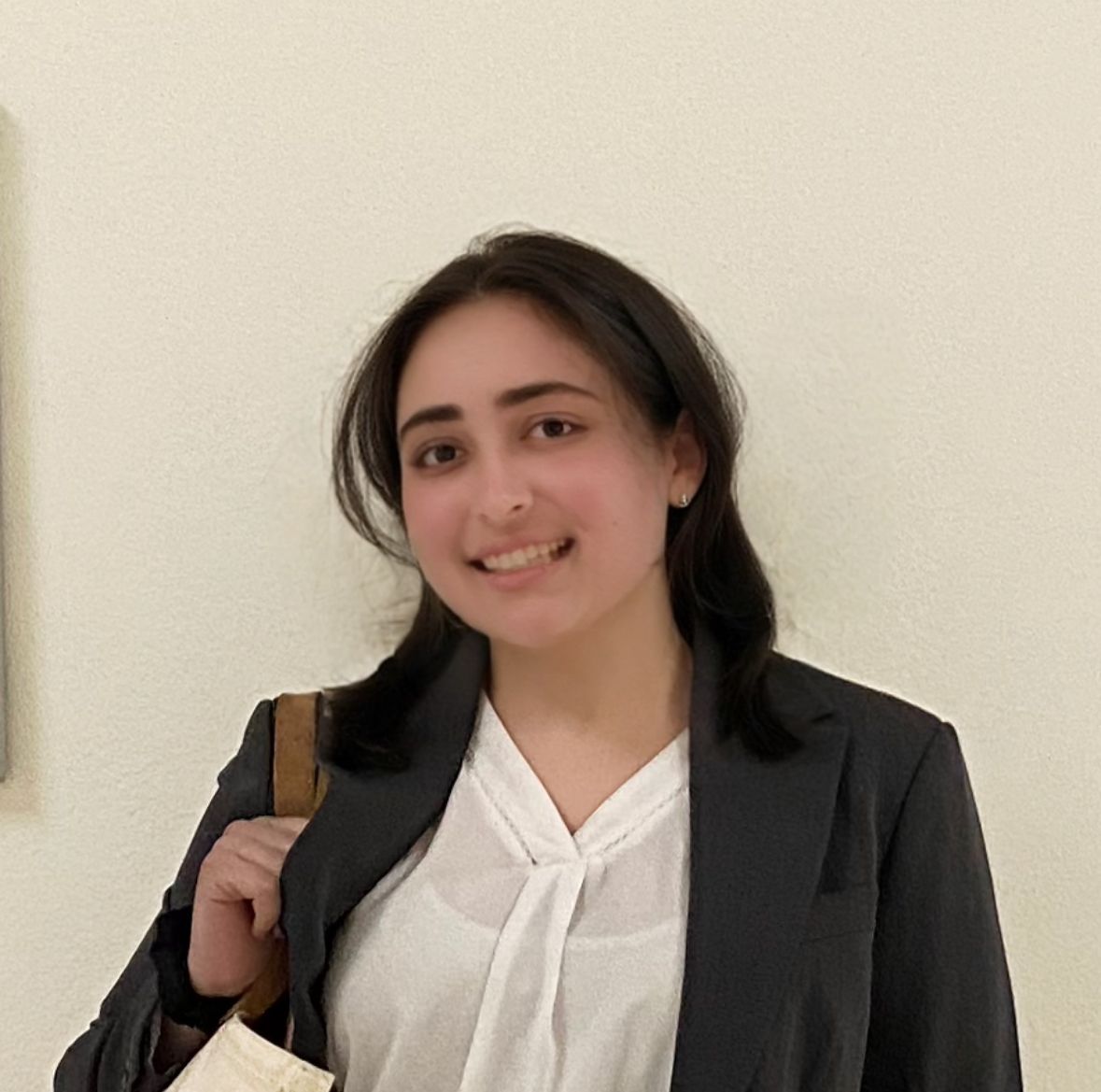
Leen Arnout
Kathleen L. Miller Fellow | Ph.D.(c), UC Berkeley-UCSF Joint Bioengineering program
Lena Blackmon is a biophysics PhD student in Dan Fletcher’s lab at UC Berkeley. Lena’s research focuses on developing microscopy methods to quantify molecular flexibility and crowding on cell surfaces. Prior to their tenure at Berkeley, Lena was an R&D engineer in Computational Microscopy at the Chan Zuckerberg Biohub SF and developed optical systems for the serosurveillance of Dengue virus in Cambodia. Lena holds a B.S in Materials Science and Engineering and an M.S. in Applied Physics from Stanford University. As an Irving H. Wiesenfeld fellow, Lena will apply methods of fluorescence polarization microscopy to understand Plasmodium-infected cell surfaces, aiding the development of next-generation therapeutics that target molecular flexibility to reduce the global malaria disease burden.
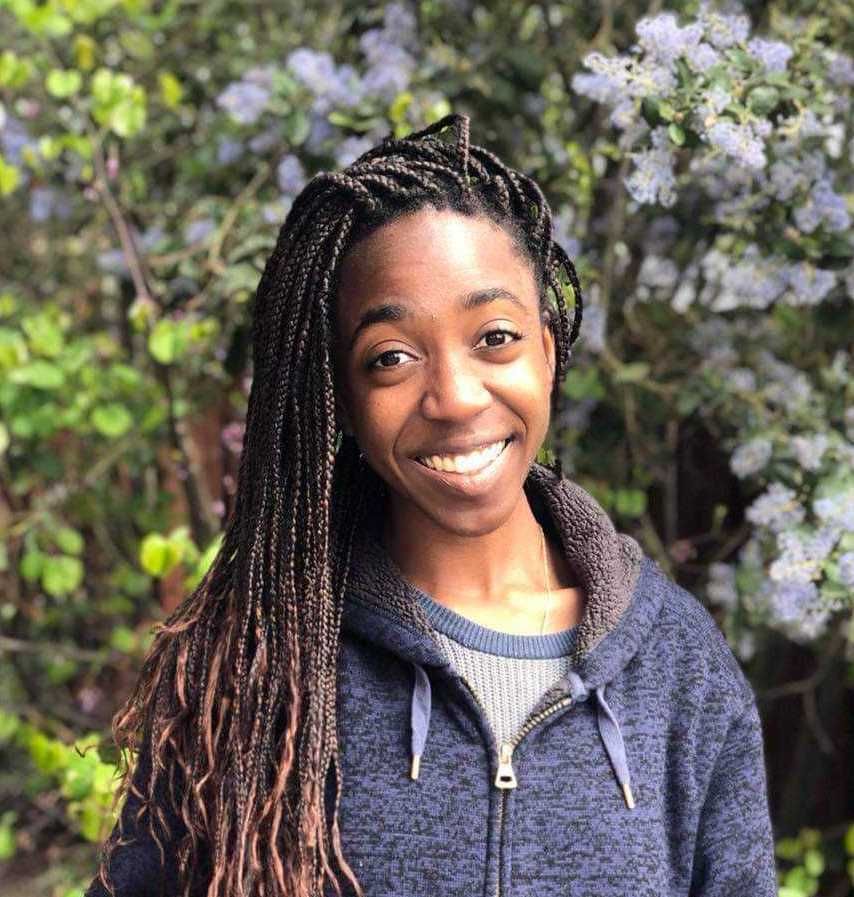
Lena Blackmon
Irving H. Wiesenfeld Fellow | Ph.D.(c), Biophysics
Sydnee Gould is a Ph.D. candidate in UC Berkeley's Molecular and Cellular Biology program. She received her B.S. in Translational Biomedical Sciences from Rowan University, where she worked in Dr. Claude Krummenacher's lab screening drugs to block herpes entry proteins. Following graduation, she spent two years at the NIH in Dr. Daniel Barber's lab studying mucosal-associated invariant T cells in COVID-19, tuberculosis, and co-infection models. In the Cox and Stanley labs, Sydnee focuses on tuberculosis meningitis, working to better understand bacterial and host pathways responsible for susceptibility to this neglected disease. She is passionate about mentorship and teaching as methods to break down barriers for young scientists pursuing STEM careers.
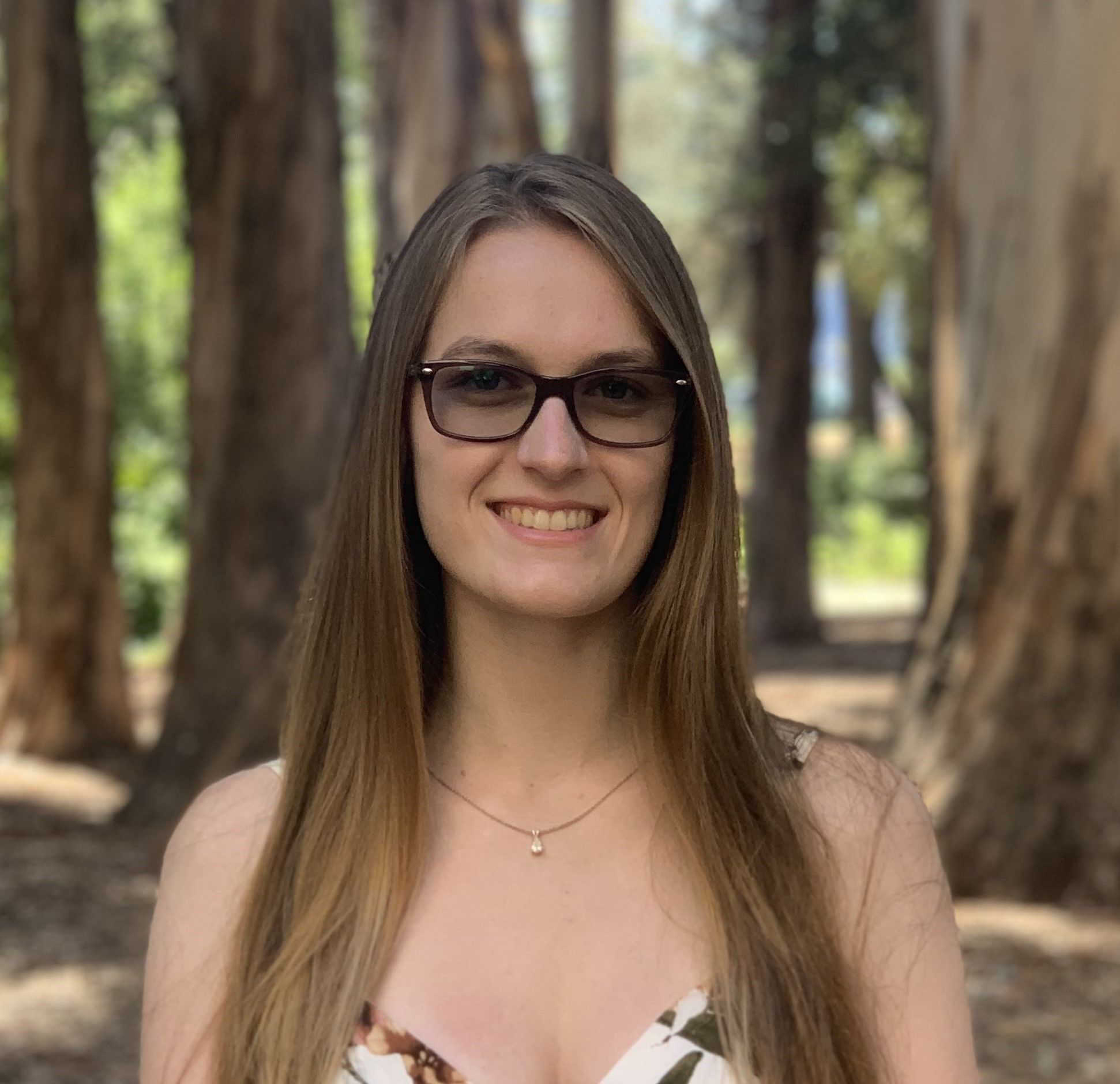
Sydnee Gould
Thomas C. Alber Fellow | Ph.D.(c), Molecular and Cellular Biology
Zahra is a PhD. Candidate in the Infectious Diseases and Immunity program at UC Berkeley. She received her B.S. in Cell Biology and Genetics from the University of Maryland, College Park (UMD). While at UMD, Zahra spent two years at the NIH/NIAID where she helped optimize the early models of the TB portals program, which is now a robust international consortium of tuberculosis patient case files from the developing world. Shortly after graduating, she began working as a research assistant at the University of Maryland School of Dentistry, where she studied canonical and non-canonical mediators or methicillin resistance in Staphylococcus aureus. Afterward, she moved to the Uniformed Services University where she worked on developing novel anti-biofilm therapeutics, specifically focusing on targeted phage therapy, against clinical Enterococcus faecalis isolates. Her dissertation research in the Welch lab focuses on understanding the spatiotemporal localization dynamics and regulation of the actin motility mediators RickA and Sca2 in Rickettsia parkeri.
Zahra Zubair-Nizami
Kathleen L. Miller Fellow | Ph.D.(c), Infectious Diseases and Immunity
Zaina Moussa is an M.D./Ph.D. candidate in the UC Berkeley - UCSF Joint Bioengineering program. She received her bachelor’s degree in Biological Engineering from MIT. As an undergraduate, she pursued research in translational medical innovations, such as endoscopically injectable hydrogels and the detection of cardiac amyloidosis using ML. She is passionate about improving access to health, particularly for those who are most affected by neglected diseases, using recent technologies such as machine learning and mobile phones.
Zaina Moussa
Irving H. Wiesenfeld Fellow | M.D./Ph.D.(c), UC Berkeley-UCSF Joint Bioengineering program
2024 CEND FELLOWS
Abdul Muyeed Bhuiya is a PhD candidate in UC Berkeley-UCSF Joint PhD Program in Bioengineering in Prof. Daniel Fletcher’s lab. His current research involves developing innovative point-of-care diagnostic assays and devices for infectious diseases, and leveraging CRISPR technology for rapid, multiplexed RNA detection. Abdul received his Bachelor’s in Molecular and Cellular Biology with a minor in Chemistry at the University of Illinois at Urbana-Champaign, and received his Master’s in Biomedical Engineering at Boston University. During that time, he worked in the labs of Prof. Rashid Bashir and Prof. Ahmad Khalil, developing point-of-care platforms for detecting viruses and bacteria using mobile phone microscopy and interferometric imaging. As a Thomas C. Alber Fellow, Abdul is field-testing a low-cost mobile microscopy and machine learning platform in Bangladesh for detection
Abdul Muyeed Bhuiya
Ph.D. candidate, UC Berkeley-UCSF joint program in Bioengineering
Andres Dextre is a Ph.D. student in the laboratory of Dr. Daniel Fletcher as part of the UCSF-UC Berkeley Joint PhD Program in Bioengineering. His research involves leveraging CRISPR-Cas enzymes for developing novel molecular diagnostics that we can employ at the Point-of-Care for infectious diseases. Andres received his Bachelor’s degree in Biological Engineering from Purdue University. During that time, he worked with Dr. Mohit Verma developing paperbased molecular diagnostics for detecting SARS-CoV-2 and bovine respiratory disease associated pathogens. As a Thomas C. Alber fellow, Andres is focusing on developing a CRISPR-based assay for detection of micro-RNAs in Schistosomiasis derived extracellular vesicles.
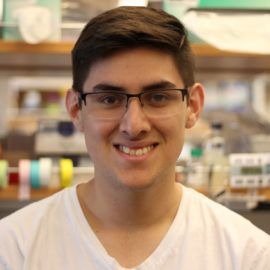
Andres Alonso Dextre Chavez
Ph.D. candidate in UC Berkeley-UCSF joint Ph.D. program in Bioengineering
Ayane Maruichi is a Ph.D. student in the Endocrinology Graduate Program at UC Berkeley. She received her bachelor’s degree from International Christian University in Japan, followed by a master’s degree through a 5th-year master’s program. During her B.S. and M.S., she worked in Dr. Tatsuo Nunoshiba’s lab and conducted research in the field of microbial genetics. Currently, she is pursuing her graduate studies under the supervision of Prof. Andrew Dillin and studying how pathogenic bacterial infection regulates host immune and stress responses and impacts on mitochondrial functions using C.elegans as a model organism. Besides research, Ayane enjoys traveling and taking long walks.
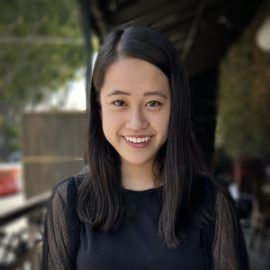
Ayane Maruichi
Ph.D. candidate in the Endocrinology Graduate Program
Bianca was born and raised in Italy and later moved to California to pursue my undergraduate studies at UC San Diego, where I majored in Human Biology. During my time at UCSD I joined the laboratory of Susan Kaech at the Salk Institute as an undergraduate research assistant. There I discovered a strong interest for research and immunology. After graduation, I continued my academic journey at UCSD to obtain a Master's degree, while working on my thesis project in Dr. Kaech’s lab. My research focused on studying a kinase and its implications in modulating T cell exhaustion in cancer. Subsequently, I moved to Hawaii for a year, where I worked in the lab of Helen Turner investigating the role of cannabinoid receptors in immune cells. Finally, I started my graduate studies at UC Berkeley, where I am currently a PhD candidate in the laboratory of Russell Vance. In Dr. Vance’s lab I work on a collaborative project with the Rijo-Ferreira lab,
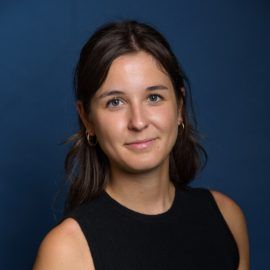
Bianca Parisi
Ph.D. candidate in Molecular and Cell Biology
Brenna is a Ph.D. candidate in the Molecular and Cell Biology Department at UC Berkeley. She completed her bachelor’s degree in Biological Sciences from Cornell University. As an undergraduate, she studied the role of sirtuin enzymes in breast cancer progression in Dr. Robert Weiss’s lab. Currently, she is a member of Dr. Russell Vance’s lab where she investigates how innate immune cells sense and respond to the virulence activities of pathogens.
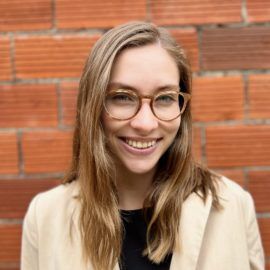
Brenna Caroline Remick
Ph.D. candidate in the Molecular and Cell Biology
Charlotte is a Ph.D. Candidate in Molecular and Cellular biology. She hails from Missoula, Montana where she received a B.S. in Biochemistry. After college, Charlotte spent two years at the NIH as a postbac in Jason Brenchley’s lab studying interactions between the microbiome and SIV. Charlotte's thesis research in the Vance Lab at UC Berkeley focuses on host-pathogen interactions using the enteric pathogen Shigella as a model system. In particular, she is interested in how proteins secreted by Shigella manipulate the host cell during infection and how the host counters this attack. Outside of lab, Charlotte enjoys the great outdoors and is an aficionado of partner acrobatics.
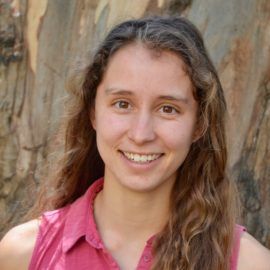
Charlotte Langner
Ph.D. candidate in Molecular and Cell Biology
Chris is a Ph.D. candidate in the Molecular and Cell Biology program at UC Berkeley. He received his B.S. in biochemistry from Ohio State University where he worked on DNA mismatch repair. He then completed a M.S. in pharmacology and toxicology from UC Irvine where he studied neural mechanisms of negative affect in chronic pain. Prior to Berkeley, he worked at UCSF investigating inflammatory skin diseases and developing leukemia vaccines. His thesis research in the Bautista lab is focused on understanding the role that sensory neurons play in regulating airway inflammation and immunity during coronavirus infection. Besides research, he enjoys playing piano, poker and backgammon.
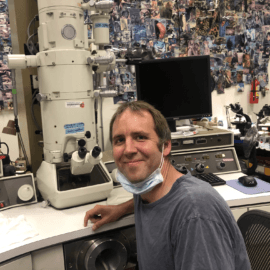
Christopher Paul Cook
Ph.D. candidate in the Molecular and Cell Biology program at UC Berkeley
Emerson is an MPH student studying Infectious disease and Vaccinology and UC Berkeley, and is currently a graduate student researcher in Dr. Ashely Wolf’s Lab at UC Berkeley. Emerson graduated from the University of Washington in 2023 with a degree in Global Public Health and a minor in Microbiology. During her time at UW, she worked in the Weil Lab which focuses on understanding how the gut microbiota impacts enteric disease. She primarily studied how the gut microbiota can affect Vibrio cholerae infection. This fellowship will support her project in the Wolf Lab that focuses on identifying human gut microbiota that impact Shigella growth and virulence. Outside of science, Emerson enjoys running, photography and hiking around the Bay.
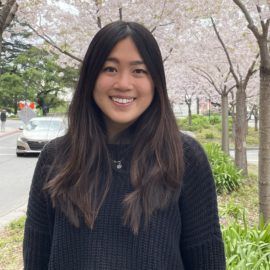
Emerson Smith
MPH student studying Infectious disease and Vaccinology at UC Berkeley
Isabel Lamb-Echegaray is a Ph.D. candidate in the Public Health Department at UC Berkeley. Originally from Spain, Isabel earned her B.S. in Biology from James Madison University, Virginia. As an undergraduate student researcher and research technician in Dr.Mark Gabriele’s lab, she studied the development and convergence of multisensory inputs in the midbrain. After serving as a Community Health Advisor with the Peace Corps in Madagascar, Isabel decided to pursue a Ph.D. in Infectious Diseases and Immunity, continuing her work at the intersection of science and public health. Currently, she is a member of Dr. Sarah Stanley's lab, where her thes is work focuses on elucidating the mechanisms and correlates of protection of tuberculosis vaccines.
Isabel D. Lamb-Echegaray
Ph.D. candidate in the Public Health Department at UC Berkeley
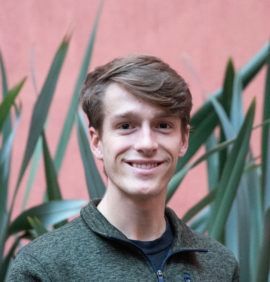
Ron is a Biophysics Ph.D. student in the Doudna Lab, interested in computation and biology. Previously, Ron was a research scientist at GoogleX, where he led projects and research spanning life sciences, machine learning, and quantum computing. He helped build the machine learning team at System1 Biosciences, leading the analysis of multi-omics and imaging datasets to identify phenotypes of neuropsychiatric diseases in cerebral organoids. He earned his BS and MS in Biomedical Engineering and Computer Science at Johns Hopkins University, where he conducted machine learning research as part of the VisionLab and started the nonprofit MedHacks.
Ron Boger
Ph.D. program in Biophysics
2023 CEND FELLOWS
Andrea was born and raised in Mexico, where she did her bachelor studies in Pharmaceutical Sciences. She then went to the Netherlands to do her master studies and absolutely fell in love with pathogenic bacteria. She actually thinks studying bacteria is one of the coolest things one can do. She came to UC Berkeley as part of her master studies and stayed in the Portnoy lab after that. She is now a joint PhD student in the Stanley and Portnoy labs where she studies how bacteria have adapted to their host in order to succeed in infection. In particular, she is interested in the role of aldehydes in host-pathogen infection dynamics.
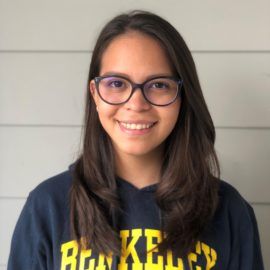
Andrea Anaya Sanchez
Ph.D. Candidate in the Stanley and Portnoy labs
Brent is an MPH candidate in Infectious disease and Vaccinology at the UC Berkeley School of Public Health and a student affiliate of the Rosenthal Lab in the Division of Global Medicine at UCSF. Brent graduated from UC San Diego in 2022 with a degree in global health and a minor in biology. In undergrad he performed immunohistochemistry for the UCSD Human Tissue Technology Center. He also trained in the SiqueiraNeto Lab at the UCSD Center for Discovery and Innovation in Parasitic Diseases, validating candidate molecules against the parasitic diseases T. Cruzi and Leishmania. At UCSF Brent's work aims to use deep sequencing and molecular epidemiology techniques to understand the emergence and persistence of mutant and partially drug resistant Malaria within Uganda. He aims to combine sequence data and modeling techniques to better describe the trends of Malaria partial drug resistance for a variety of genes.
Brent Siegel
Master of Public Health Candidate, UC Berkeley School of Public Health and student affiliate in the Division of Global Medicine at UCSF.
Carlos Ng Pi, is a PhD candidate in the UCSF-UC Berkeley Joint PhD Program in Bioengineering in the laboratory of Dr. Daniel Fletcher. His research involves developing molecular diagnostic tools for infectious diseases such as SARS-CoV-2 and HIV. Carlos received his Bachelor’s and Master’s degrees in Bioengineering from the University of Illinois at Chicago. During that time, he worked with Dr. David Eddington developing microfluidic systems for the isolation of circulating tumor cells. Following graduation, Carlos joined the laboratory of Dr. Donald Ingber where he developed a scalable fabrication method for microfluidic organ-on-chips platorms. As an Irving H. Wiesenfeld Fellow, Carlos is spearheading the development of a point-of-care system for the detection of lymphatic filariasis using a CRISPR-based diagnostic assay.
Carlos Ng Pitti
Joint Ph.D. Candidate, UCSF-UC Berkeley in Bioengineering
Jillian Pape is a second year MPH student in the Global Health and Environment program at UC Berkeley’s school of Public Health, studying climate change and zoonotic infectious disease, advised by Dr. Jay Graham. Jillian seeks to address the relationship between humans, animals and the environment through traditional One Health methodology, and is passionate about studying zoonotic infectious disease through the relationship that communities have with their pets and farm animals. Jillian is thrilled to spend this summer in the Eastern Cape of South Africa, where she will study the effects of climate change and Covid-19 on the rabies virus, and the interaction between wildlife and domestic animals on the perimeter of the Addo-toFish Biodiversity Corridor.
Jillian Pape
Master of Public Health Candidate, School of Public Health, Lab Manager
Justin Lee is a Ph.D. candidate in metabolic biology through the Department of Nutritional Sciences and Toxicology at UC Berkeley. He received his B.A. in Molecular and Cell Biology from UC Berkeley, where he grew interested in understanding how our body systems interact and adapt to the environment around us. To explore this question, he decided to pursue his graduate studies with Prof. Anders Näär studying how nutrients, metabolites, and synthetic interventions affect our body’s metabolic networks and contribute to health and clinical outcomes. The outbreak of the COVID-19 pandemic caused a pivot in his research focus to apply his training in disease biology and molecular medicine to address the challenges of the pandemic. His current research efforts involve the development of locked nucleic acid antisense oligonucleotide (LNA ASO)-based therapeutics that target conserved, regulatory regions of respiratory viruses, such as SARSCoV-2. As a Sidney MacDonald Russell fellow, he hopes to expand his current studies to provide new insights and considerations for LNA ASOs as an emergent therapeutic class in response to potential future viral outbreaks. Besides science, Justin loves trying new eateries and cafes, attempting to cook, running, and dog spotting.
Justin Lee
Ph.D. Candidate, Metabolic Biology
Kylie Hilton is a second year MPH student in the infectious diseases and vaccinology subspecialty. Within infectious diseases, her interests include malaria transmission and infection, as well as the social determinants of infection and disease. This summer she will be working on a project that seeks to quantify and analyze the spread of drug resistant malaria across Uganda. The project includes traveling to Uganda to work with experts in the field, as well as many many hours at the bench doing qPCR. Outside of studying infectious pathogens, her hobbies include hiking, fishing, and pole vaulting, as she is currently a member of the Cal Track and Field team.
Kylie Hilton
Master of Public Health Candidate, School of Public Health in the infectious diseases and vaccinology subspecialty
Nicholas Coburn is a Master of Public Health Student Studying Infectious Diseases and Vaccinology at UC Berkeley. After receiving his Bachelor's of Science in Biomedical Science from Texas A&M University, he worked in Dr. Jonathan Reichner's lab at Brown University studying neutrophil integrins and neutrophil mechanobiology. Nick's interest in immunology and parasitology motivated him to become a member of Dr. Filipa Rijo-Ferreira's laboratory at UC Berkeley. This fellowship will support his project that focuses on elucidating the extrinsic host factors that synchronize the Plasmodium falciparum circadian rhythm. Outside of science, Nick enjoys watching films, listening to vinyl records, and rock climbing.
Nick Coburn
Master of Public Health Candidate, School of Public Health
Teena received her bachelor's in biochemistry and a master's in biophysics from India. Her doctoral training started with Kuriyan lab where shelearned biochemistry and structural biology. Currently, she is working with Prof. Murthy in the Bioengineering department with the aim to contribute to translational sciences. Her thesis work in Murthy lab revolves around discovering drugs against essential proteins from the SARS-CoV-2 virus. Besides research, she enjoys cooking and staying healthy.
Teena Bajaj
Ph.D. Candidate, Comparative Biochemistry
Thomas VanderYacht is a second year graduate student in the Global Health and Environment MPH program at UC Berkeley School of Public Health. He is advised by Dr. Jay Graham and seeks to understand the ways in which climate change impacts health and drives the spread of antimicrobial resistance genes in the environment. His current work focuses on investigating the uptake of resistant bacteria into produce via polluted irrigation water in rural regions east of Quito, Ecuador. Thomas is dedicated to creatively and effectively communicating his research findings to communities, aiming to bridge the gap between academia and societal impact.
Thomas VanderYacht
Master of Public Health Candidate, School of Public Health
2022 CEND FELLOWS
Allie Batka (she/they) is a Ph.D. candidate in Chemical Biology through the Department of Chemistry at UC Berkeley. Allie graduated from the University of Michigan – Ann Arbor with a B.S. Chem. and M.S. in Chemistry in 2020, where they worked in the lab of Prof. Nicolai Lehner on electrocatalytic nitric oxide production for therapeutic applications. She currently researches metalloenzyme kinetics and mechanisms in Prof. Michael Marletta’s lab. Specifically, their work focuses on copperdependent polysaccharide monooxygenases and metal-dependent proteases. With support from the CEND, Allie will continue to characterize proteases in Vibrio cholerae that play an essential role in the formation of pathogenic multicellular colonies, which will inform the development of new treatments for the disease cholera. In addition to her passion for science, Allie also loves video games and ice cream.
Allison E. Batka
Ph.D. Candidate, Chemistry
Christine Qabar is a Microbiology PhD Candidate in the Cox Lab at UC Berkeley. She obtained both her Bachelor’s degree in Cell & Molecular Biology and her Master’s degrees in Molecular Microbiology from Towson University in Baltimore. She is fascinated by microbial genetics in the context of infection, and for her thesis she is exploring differential usage of isoprenoid biosynthesis pathways in Mycobacterium marinum, a model pathogen for Mycobacterium tuberculosis. When she's not in lab, Christine can be found cuddling her cat, playing D&D, or trying to keep up with watering her houseplants.
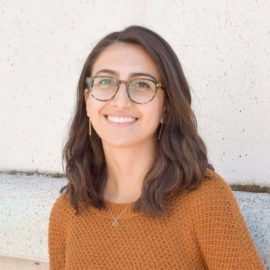
Christine Qabar
Ph.D. Candidate, Microbiology
Hannah is a PhD candidate in the Molecular and Cell Biology Program at UC Berkeley. She received her bachelor’s degree in Biology and Chemistry from St. Olaf College in 2019. As an undergraduate in the Listenberger lab, Hannah studied the biochemical processes that underlie lipid trafficking and storage in eukaryotes. Currently, she is a member of the Cox lab where she is studying the role that host DNA damage plays during Mycobacterium tuberculosis infection as well as the mechanism that underlies colony morphotype switching in Mycobacterium avium. Besides research, she enjoys taking advantage of the Bay Area weather to hike, run, and enjoy the outdoors in whatever capacity she can.
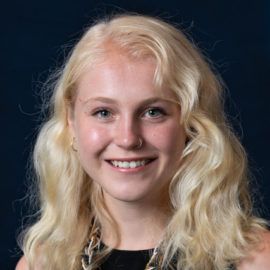
Hannah Nilsson
Ph.D. Candidate, Molecular and Cell Biology
Janet is a PhD candidate in Molecular and Cell Biology at University of California, Berkeley. Janet obtained her bachelor’s degree in biomedical laboratory technology at Makerere University, Uganda. She later on pursued a Master of Science in Immunology and Clinical Microbiology at Makerere University, Uganda. She then received a visiting scholarship from CEND at UC Berkeley to train in the Stanley lab where she worked on host-pathogen interactions. Janet is currently a graduate student in the Vance lab where she is studying the role of adaptive immunity in Shigella infection. Specifically, she seeks to understand what adaptive immune responses are important for protection against Shigella species.
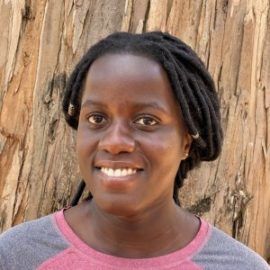
Janet Peace Babirye
Ph.D. Candidate, Molecular and Cell Biology
Marcus Wong is a PhD Candidate in the Infectious Diseases and Immunity at UC Berkeley. Marcus obtained a B.S in Biological Sciences and B.A. in Comparative Literature from the University of California, Irvine. During his undergraduate studies, Marcus gained a lifelong interest in immunology and host-microbe interactions in Dr. Manuela Raffatellu’s lab, where he worked on understanding the role of neutrophils in the gut during Salmonella infections. He then became a staff research associate in the lab of Dr. Donald Forthal, working on uncovering the role of anti-HIV antibody effector functions. Currently, Marcus is a member of Dr. Eva Harris’ lab, where he is primarily interested in understanding the immune response to dengue virus non-structural protein 1, a viral toxin essential to dengue pathogenesis. Outside of the bench, Marcus enjoys the outdoors, camping and climbing rocks wherever he can.
Marcus Wong
Ph.D. Candidate, Infectious Diseases and Immunity
Marian is a Ph.D. candidate in the Molecular and Cell Biology Department at UC Berkeley. She completed her B.S. at the University of Washington. As an undergraduate, she was a research intern at the National Oceanic and Atmospheric Admiration, where she completed a research project characterizing molecular pathways that regulate teleost reproductive development. After graduation, she shifted her research focus to immunology and infectious disease. As a research technician in the laboratory of Dr. Michael Gale, Jr. at the University of Washington, she studied host-pathogen interactions and innate immune responses to flaviviruses. Now in the laboratory of Dr. Russell Vance, Marian studies host innate immune responses to Mycobacterium tuberculosis.
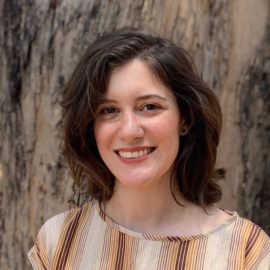
Marian Fairgrieve
Ph.D. Candidate, Molecular and Cell Biology
Meghan is a PhD candidate in the Molecular and Cell Biology program at UC Berkeley. She received her B.S. in Molecular and Cellular Biology from the University of Puget Sound in Washington. After graduating, Meghan worked as a research technician in the Priess lab at the Fred Hutchinson Cancer Research Center looking into the distribution and consequences of nuclear lipid droplets in Caenorhabditis elegans germ cells and intestinal cells. Her thesis work in the Welch lab seeks to combine genetic, biochemical, and microscopy approaches to study the evolution of actin-based motility within the Rickettsia genus of obligate intracellular bacteria by comparing the motility mechanisms and functions of a pathogenic species, R. parkeri, with an ancestral species, R. bellii.
Meghan Bacher
Ph.D. Candidate, Molecular and Cell Biology
Noah Baker is a student in the Epidemiology and Biostatistics MPH program at UC Berkeley. After completing his BS in Biochemistry at the University of Washington, Noah began working at the University of Washington’s Laboratory Medicine and Pathology. His interests in molecular, microbiological, and bioinformatic methods in public health were cultured through his work experience at the start of the COVID-19 pandemic. Noah joined the Stanley Lab at UC Berkeley to pursue his research interests of translational clinical research, bridging epidemiological methods and molecular biology to better understand, prevent, and treat disease. This fellowship will support the analysis of health metric and transmission data for the Greater Kampala Metropolitan Area using SARS-CoV-2 sequencing. Increasing the dimensionality of COVID-19 data through the integration of clinical and molecular epidemiology will provide novel insights on clinical outcomes, increase understanding of variant prevalence, and transmission patterns in underrepresented populations.
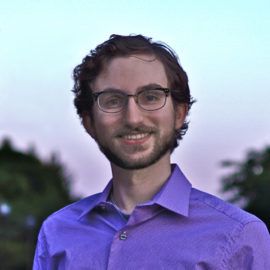
Noah Baker
Master of Public Health Candidate, Epidemiology and Biostatistics
Scarlet Bliss is a second year MS/PhD student in Epidemiology at UC Berkeley School of Public Health advised by Dr. Jay Graham, also pursuing a Designated Emphasis in Development Engineering and an Applied Data Science certificate. She seeks to address current environmental health challenges, particularly in the antimicrobial resistance and water, sanitation, and hygiene (WASH) fields, through a bridging of community engaged research and epidemiologic methods. Her current work focuses on community-designed, systems-based approaches to preventing irrigation and wastewater transmission of pathogens in peri-urban communities outside of Quito, Ecuador.
Scarlet Bliss
MS/PhD Candidate, Epidemiology & Biostatistics
Tulika Singh is a first year postdoctoral fellow in the Division of Infectious Diseases and Vaccinology at the UC Berkeley School of Public Health in the Laboratory of Professor Eva Harris. Her research bridges cohort immunology, virology, and epidemiology to investigate B cell and antibody protection against dengue disease in populations. Tulika received her PhD at Duke University, where she conducted research on maternal immunity to Zika virus and identified a potent and early antiviral role for IgM antibodies. During her Master of Public Health at Johns Hopkins University, Tulika’s research defined health systems strengthening opportunities for increasing childhood vaccine coverage in low-resource countries. Moreover, Tulika is an advocate for better global health and vaccine access, and serves on the board of the nonprofit, Right to Health Action. As an Alber Science and Engineering Fellow, Tulika is spearheading development of novel tools for high-throughput detection and phenotyping of dengue virus-reactive B cells to evaluate cellular correlates of protection against symptomatic dengue. This project is in partnership with collaborators from Nicaragua, who have been leading the world’s longest running arboviral cohort, and aims to further build scientific capacity on-site.
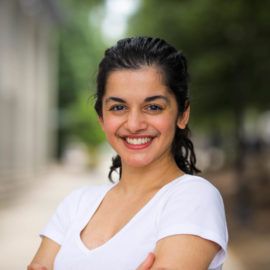
Tulika Singh, PhD
Postdoctoral fellow, Infectious Diseases and Vaccinology
2021 CEND FELLOWS
Chi Zhu is a postdoctoral fellow in the Näär Lab of Department of Nutritional Sciences & Toxicology at UC Berkeley. His research interests range from epigenetic/metabolic changes in cancer or chronic metabolic diseases to the development of antisense oligonucleotide (ASO)-based therapeutics. Chi received his Ph.D. at the Institute of Medical Science, the University of Tokyo in 2017, where he explored the mechanism of colon cancer occurrence and development, mainly focusing on the malfunction of Wnt signaling pathway. Chi’s recent work is focusing on the development of ASO-based therapeutics for COVID-19 and this study has already shown very promising anti-viral efficacy of ASO therapeutics both in vitro and in vivo. As a Sidney MacDonald Russell fellow, Chi will keep working on the optimization of both anti-viral efficacy and the drug delivery system of COVID-19 ASO therapeutics, and will expand his work developing the ASO therapeutics to pan-coronaviruses and other viral respiratory diseases.
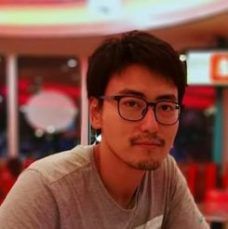
Chi Zhu
Nutritional Sciences and Toxicology
Cuong (Joseph) Tran is a PhD Candidate studying Infectious Diseases and Immunity at UC Berkeley. Joseph obtained his B.S. in Microbiology and Immunology at UC Irvine. As an undergrad in the Lodoen Lab, Joseph helped characterize the localization of the obligate intracellular parasite, Toxoplasma gondii, in the brain to better understand its pathogenesis. Joseph also interned in the Engel Lab at UC San Francisco, where he studied host-pathogen interactions during infection with Chlamydia trachomatis. Now in the Welch Lab, Joseph is applying the techniques he has learned from conducting in vivo experiments in the Lodoen Lab and in vitro experiments in the Engel Lab to study the role of RickA, an effector secreted by the obligate intracellular bacteria, Rickettsia parkeri. His goal is to determine the role of RickA during infection of a cellular host, as well its role in pathogenesis during R. parkeri infection of a mammalian host.
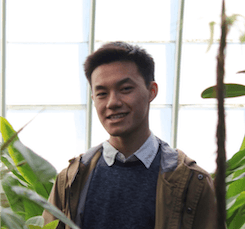
Cuong Joseph Tran
Infectious Disease and Immunity
Edwin Chojolan is an MPH student in the Epidemiology/ Biostatistics department at UC Berkeley. He graduated from UC Berkeley with a bachelor’s degree in Public Health and a minor in Global Poverty and Practice. His interest for infectious disease epidemiology stemmed from his experiences in the filed while participating in medical and dental brigades in the rural communities of Honduras, Nicaragua, Peru, and Panama. Before his graduate studies, he worked as a Disease Intervention Specialist in LA County identifying, notifying, and referring patients for STI testing/ treatment. This summer, Edwin will be working with Professor Graham on a research project that will explore the relationship between having animals in the household and the risk of childhood diarrhea in the rural-agricultural communities of Quito, Ecuador. He hopes to exhaust the academic opportunities during his time at UC Berkeley and continue his educational path towards a PhD. In his free time, he enjoys listening to music and enjoying a nice In N Out Burger while enjoying a sunset.
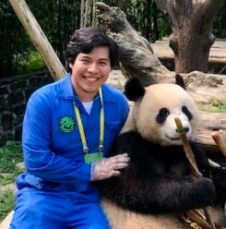
Edwin Chojolan
Epidemiology Biostatistics
Rita McCall is a Microbiology PhD Candidate and NSF Graduate Research Fellow in the Cox Lab at UC Berkeley. She received a B.A. in Biology with Honors from Grinnell College in Iowa. After graduating Rita completed a two year Postbaccalaureate Fellowship at the NIH where she studied the genetics of anthrax toxin production. For her thesis she is investigating novel aspects of the host response to Mycobacterium tuberculosis infection using reverse genetics and proximity based labeling approaches
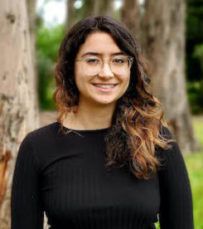
Rita McCall
Microbiology
Victoria is a PhD candidate in the Molecular and Cell Biology Program at UC Berkeley. She completed her undergraduate degree in Biology at the George Washington University in 2016. Before starting graduate school, she was a research technician at Stanford University in the lab of Dr. David Schneider where she studied the impact of genetic diversity on disease outcome in the context of malaria infections. Currently, she is a member of the Portnoy lab where she studies how the foodborne bacterial pathogen Listeria monocytogenes disseminates from the intestines of its hosts towards their brain. Besides research, she enjoys spending time outdoors hiking and camping in the summer and skiing in the winter.
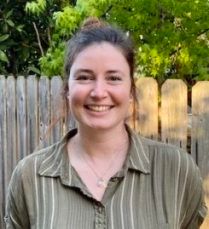
Victoria Chevee
PhD Candidate, Molecular and Cell Biology
Will Skinner is an Endocrinology PhD Candidate in the Lishko Lab, and an NSF Graduate Research Fellow. He is passionate about the development of novel, non-hormonal unisex contraceptives, through targeting sperm-specific proteins. He hopes that these contraceptives could give people of all genders the tools necessary to have exactly the number of children they want to have when they want to have them, and thereby reduce the current global rate of 80 million unplanned pregnancies per year.
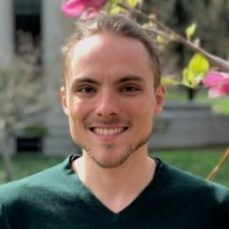
Will Skinner
Endocrinology
2020 CEND FELLOWS
Kristina Geiger is a PhD candidate in the Infectious Diseases and Immunity Program at UC Berkeley. She graduated from Occidental College with a bachelor’s degree in Biochemistry. Before graduate school, she was a Fulbright research scholar at the University of Lausanne where she assisted with clinical trials for novel malaria and Ebola virus vaccines and studied the fine specificity of the immune responses in vaccinated volunteers. Currently, she works in Dr. Laurent Coscoy’s lab studying how murine cytomegalovirus evades and alters antiviral immune responses. Outside of lab, she enjoys climbing and taking on new outdoor adventures.
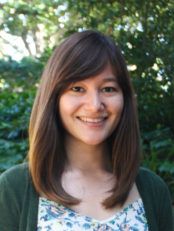
Kristina Geiger
PhD Candidate, Immunity and Infectious Diseases
Michael Cronce is a PhD Candidate in the UCSF-UC Berkeley Joint PhD Program in Bioengineering co-advised by Drs. Jeffery Cox and Jay Keasling. His designated research focus is therapeutic R&D in infectious disease with a minor focus in metabolic engineering. He received his undergraduate degree in Biology (B.S.) from the University of North Carolina- Chapel Hill with a double minor in Marine Sciences and Chemistry. Following graduation, Michael researched distal lung stem cell biology under Dr. Brigid Hogan, developed translationally-relevant tissue engineering approaches under Dr. Jay Vacanti, and designed new microfluidic organ-on-chip platforms under Dr. Donald Ingber. For graduate training, Michael is developing a novel anti-infective compound family using biosynthetic chemistry and engineering microbial hosts to produce these compounds at industrial scale. In collaboration with CEND, he plans to screen these molecules against a variety of pathogens, including M. tuberculosis and SARS-CoV-2.
Michael Cronce
PhD Candidate, Bioengineering
Orneika completed her undergraduate studies at Claflin University where she received her bachelor’s degree in Biology in 2019. There her research focused on the bacterium Serratia marcescens that causes contact lens related bacterial keratitis, and how this bacterium combats the antimicrobial peptide defense of the cornea. Currently, she is a second year PhD student in the UC Berkeley Vision Science program and a member of the Fleiszig-Evans laboratory. For her current research project, she aims to understand why the healthy cornea lacks a viable microbiome- a project that spans the microbiology, neuroscience, immunology and vision science fields. Specifically, she studies the mechanism(s) employed by corneal nerves (that require the nociceptor TRPA1) to inhibit microbial colonization of the healthy cornea.

Orneika Flandrin
PhD Candidate, Vision Science
2019 CEND FELLOWS
Justin received a bachelors degree in molecular genetics from the University of Rochester. After spending time studying telomere maintenance mechanisms in cancer at the University of Pittsburgh, Justin moved to Berkeley to begin a PhD in UC Berkeley's Molecular and Cell Biology program. He now works in Russell Vance's lab, studying the interaction between enteric pathogens and the intestinal innate immune system. His thesis project focuses on understanding the innate immune components that underly species-specific differences in susceptibility to Shigella, a bacterial pathogen that infects the human colon.
Justin Roncaioli
PhD Candidate, Molecular and Cell Biology
Katie Kurowski is an MPH student in the Infectious Disease and Vaccinology program, interested in infectious disease in a global context. After graduating from Elon University with a degree in Biology, Katie spent two years doing stem cell research focusing on ALS at Cedars-Sinai Medical Center. She developed a passion for public health while studying abroad in Cape Town, South Africa, where she learned how widespread tuberculosis and other infectious diseases are in South Africa and the effects they had on the culture and development of the country. Katie will be spending the summer in Quito, Ecuador, where she will be working with Dr. Jay Graham to study the effects of economic and WASH determinants on the carriage of antimicrobial resistant E. coli in children
Kathleen Kurowski
MPH Candidate, Infectious Diseases and Vaccinology
Robyn Jong is a PhD candidate in the UC Berkeley Molecular and Cell Biology program. She received her B.S. from Tufts University in Biology and French. As a graduate student, she studies the host immune response to Mycobacterium tuberculosis infection in the laboratory of Dr. Sarah Stanley at UC Berkeley. Her project centers on the role of neutrophils during infection and which host and bacterial factors determine resistance to the disease.
Robyn Jong
PhD Candidate, Molecular and Cell Biology
Sarah is a PhD candidate in Mike Boots lab at UC Berkeley. Her work focuses on the exchanges of pathogens between wildlife and human populations, with an emphasis on the drivers of spillover. She applies a combination of epidemiological models, geospatial analyses, genomics, and field-based approaches to understand questions regarding the evolutionary and spatial dynamics of emerging and re-emerging zoonoses. She graduated from Middlebury College with a B.A. in Conservation Biology, and spent two years working for the Planetary Health Alliance. As an Alber Science & Engineering Fellow, she will use genomic surveillance and phylodynamic inference to begin mapping transmision routes of zoonotic viruses in Madagascar.
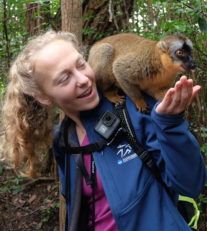
Sarah Guth
PhD Candidate, Integrative Biology
Whitney Mgbara is a second year graduate student at UC Berkeley. In concurrence with her PhD in Environmental Science Policy and Management, Whitney is pursuing an MPH in Epidemiology. Her joint program allows her to explore the intersections of the two fields alongside her advisor Wayne Getz. Her research interests bridge the fields of disease ecology, movement ecology, and epidemiology to examine spatial and temporal factors influencing the transmission of emerging and re-emerging zoonoses including Leishmaniasis, Ebola Virus Disease (EVD), and Influenza. Whitney received her Bachelors of Science at Arizona State University in the School of Human Evolution and Social Change in 2017, where she majored in Applied Mathematics for Life and Social Sciences and Global Health. As an Alber Science & Engineering Fellow, she is expanding her work to examine bio-geographic and demographic factors influencing EVD transmission in West Africa with collaborators at Virginia Tech. Also, she plans to work in West Africa to work further on EVD and data collection.
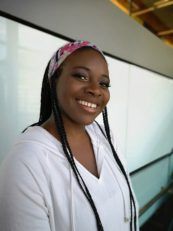
Whitney Mbgara
Joint MPH-PhD Candidate, School of Public Health, School of Environmental Science, Policy, and Management
2018 CEND FELLOWS
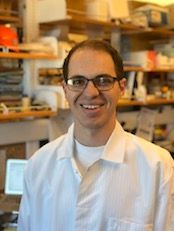
Cara Brook is a first year postdoctoral fellow with the Miller Institute of Basic Research at UC Berkeley, hosted jointly in the labs of Professor Britt Glaunsinger in Plant and Microbial Biology and Professor Mike Boots in Integrative Biology. Her research bridges field ecology, cellular immunology, and quantitative epidemiology to examine the role of bats as reservoirs for emerging human diseases, including Hendra and Nipah henipaviruses, Ebola and Marburg filoviruses, and SARS coronavirus. Cara received her PhD at Princeton University’s Department of Ecology and Evolutionary Biology in 2017, where she spearheaded an ongoing field study documenting longitudinal viral and immunodynamics in several fruit bat species in Madagascar. Cara speaks both French and Malagasy and conducts all research in collaboration with Institut Pasteur of Madagascar (IPM) and the University of Antananarivo. As an Alber Science & Engineering Fellow, she is expanding her work examining seasonal changes in the within-host transcriptional response of viral tolerant bats to infection.
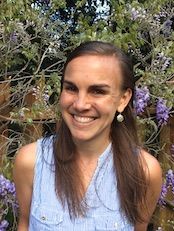
Cara Brook
Post-Doctoral Fellow, Miller Institute for Basic Research
Nora Kostow is a PhD candidate in the Molecular and Cell Biology program at UC Berkeley. She obtained her BA from Grinnell College in 2013 with a major in biology. She moved to Berkeley in 2013 to work in the Dernburg lab and joined the PhD program in 2016. For her thesis work. She joined the lab of Dr. Matthew Welch where she studies host-pathogen interactions during cell-to-cell spread. Her research focuses on how the bacterium Burkholderia thailandensis spreads by inducing cell-cell fusion.
Nora Kastow
PhD Candidate, Molecular and Cell Biology
Perri Callaway is a graduate student in UC Berkeley’s Infectious Disease and Immunity Program. Before coming to UC Berkeley. Perri graduated from Barnard College with a degree in Biology and a minor in Spanish and Latin American Cultures. She is currently conducting her dissertation research in the lab of Dr. Margaret Feeney at UC San Francisco where she studies how a subset of gamma delta T cells contribute to the development of natural immunity to malaria.
Perri Callaway
PhD Candidate, Infectious Disease and Immunity
2017 CEND FELLOWS
Amelia McKitterick is a graduate student in UC Berkeley’s Plant and Microbiology program. Amelia received a BA in Biology from Vassar College and an MPH in Hospital and Molecular Epidemiology from the University of Michigan, School of Public Health, where she investigated DNA repair in Acinetobacter baumannii. She is currently investigating the activation of an anti-phage element in epidemic Vibrio cholerae in Professor Kimberley Seed’s lab.
Amelia Mckitterick
Ph.D. student, Plant and Microbial Biology
A Brigid Cakouros is a second year DrPH candidate at the School of Public Health. Her research interests focus on applying a systems thinking approach to research translation, program design, and implementation science in order to develop sustainable health interventions, specifically in low resource settings. She has worked in a variety of roles before returning to school, including as an analyst on vaccine supply chain logistics, an advisor for a Global Fund application, and a research coordinator in a mixed methods research lab. During her MPH, Brigid worked at the MIDAS (Models of Infectious Disease Agent Study) Center of Excellence on models studying both measles and influenza vaccination uptake and refusal. She is particularly interested in the intersection of supply and demand as it relates to program planning and delivery. Brigid received both her MPH (Behavioral and Community Health Science, 2012) and her BA (Writing, 2009) from the University of Pittsburgh.
Brigid Cakouros
School of Public Health, DrPH student
Melissa Hardy obtained her undergraduate degree in Chemistry and French from Grinnell College in 2016. After graduation, she moved to UC Berkeley’s College of Chemistry to join the lab of Professor Richmond Sarpong and focus on the synthesis of biologically interesting natural products. Melissa is currently working towards a total synthesis of two marine-derived natural products in order to study their efficacy as new anti-malarial therapeutics.
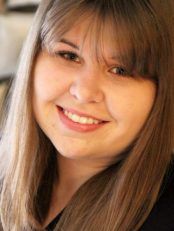
Melissa Hardy
Chemistry PhD student
2016 CEND FELLOWS
Alexandra is a graduate student in UC Berkeley’s Infectious Diseases and Immunity program. A native of Greece, Alexandra graduated from McGill University with a Major in biology, and a minor in Environmental Science. While at McGill, she spent a semester studying healthcare access issues in East Africa, and led a student fundraising group focused on African healthcare and education. She is studying T-cell responses to the parasite Toxoplasma gondii in Professor Ellen Robey's lab.
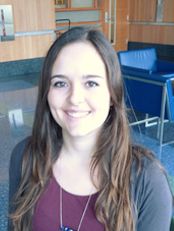
Alexandra Tsitlikis
Ph.D. student, Infectious Diseases & Immunity
Daisy obtained her undergraduate degree in Immunology from McGill University, for which she received the Governor General’s Silver Medal. After graduation, she moved to UC Berkeley’s Molecular and Cell Biology PhD program, joining the lab of Professor Russell Vance in 2014. Daisy is studying hostpathogen interaction and mechanisms of pyroptosis, a form of cell death. She has focused her studies on the effect of host cell death response on Mycobacterium tuberculosis infection. In her free time, she enjoys opera and writings of author Jenny Lawson.
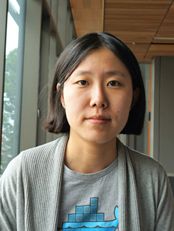
Daisy Ji
Molecular and Cell Biology PhD student
Dan Kelly obtained his medical degree at Albert Einstein College of Medicine, where he pursued a Global Health Fellowship in his 3rd year working in Sierra Leone. He is a founding member of Wellbody Alliance, a health and human rights non-profit that provides high-quality healthcare to the rural poor. Dr. Kelly was an infectious disease fellow at UC San Francisco, and a Masters of Public Health student at UC Berkeley, when Ebola struck Sierra Leone. He took a leave of absence from his training and returned to Sierra Leone to take a full-time leadership role in the Ebola response. Dr. Kelly returned to UCSF and UCB to finish his fellowship and MPH, but he continues to conduct Ebola research. Dr. Kelly has become an international expert on Ebola and has published on the topic in New England Journal of Medicine, Nature, and The Lancet.
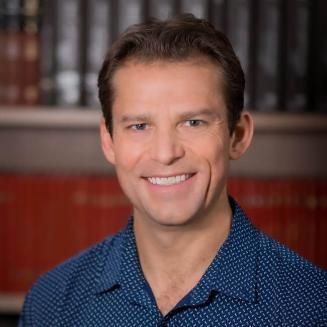
Dan Kelly
Public Health Masters student
Robert Snyder is a PhD candidate in the division of epidemiology, working in the Riley lab. His research interests focus on using various methods in epidemiology, microbiology, and molecular epidemiology to quantify and contrast disease burden inside and outside of urban slums in Brazil. He has spent significant time in Brazil, working with various community groups, universities, and resident organizations since starting his graduate work at Berkeley in 2010. He has active research projects involving diabetes, urinary tract infections, and community-based participatory research to learn with the community about diabetes. He is also interested in scientific communication with the general public, and hopes to work in the public sector after receiving his degree. He received his MPH in Infectious Diseases and Vaccinology from Berkeley in 2012, and a BS and BA from the Ohio State University in 2009.
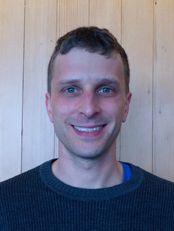
Robbie Snyder
Public Health PhD student
2015 CEND FELLOWS
Kaleb Asfaha was born in Addis Ababa, Ethiopia and grew up in the Washington D.C. metropolitan area. Before coming to UC Berkeley he studied Chemistry at University of California Santa Barbara and San Francisco State University for a bachelors and masters degree, respectively. He is currently a PhD student in the Vision Science graduate group housed under the School of Optometry. He works in the Gronert Lab where they study the lipid mediators involved in ocular inflammation. He is interested in conducting basic and translational research uncovering new ways to restrain undesirable inflammation in the eye, using Chlamydia trachomatis bacteria is a model. In the future, he hopes to open a non-profit pharmaceutical organization that addresses the needs of emerging markets.
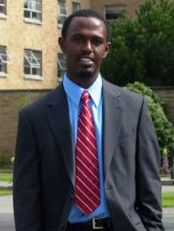
Kaleb Asfaha
School of Optometry PhD student
Sean Wu is a 1st year graduate student in the School of Public Health, where he is focusing on Epidemiology and Biostatistics. He is interested in using RNA microarray methods to look at biomarkers of susceptibility in highly susceptible individuals, and his research interests generally include RNA-seq and array analysis and machine learning and classification techniques applied to public health data. Sean was born in San Diego, and attended the University of California, Irvine, graduating with a degree in International Studies and a minor in Statistics.
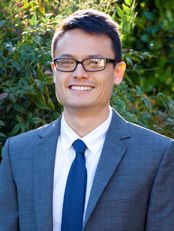
Sean Wu
Epidemiology and Biostatistics MPH student
Zichong Li is a graduate student in Dr. Qiang Zhou's lab, where he is studying the host factors that regulate HIV latency and reactivation. In 2012, Zichong was among the first to Identify human bromodomain protein Brd4 as a major restriction factor for latent HIV reactivation at the transcription elongation stage, and that a new epigenetic drug, JQ1, can antagonize Brd4 to reactivate latent HIV. Zichong received his Bachelor of Science degree from Laiyang Agricultural College and his M.S. degree from Xiamen University.
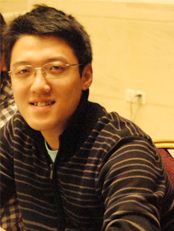
Zichong Li
Molecular and Cell Biology graduate student
2014 CEND FELLOWS
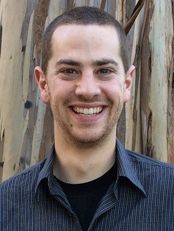
John Erickson is a PhD candidate in Environmental Engineering advised by Prof. Kara Nelson. He is studying a piped drinking water system in Panama that provides intermittent service. The research is intended to improve understanding of the effects of intermittent supply on water quality and infrastructure condition so that water utilities can prioritize infrastructure investments and operate their distribution systems more effectively.
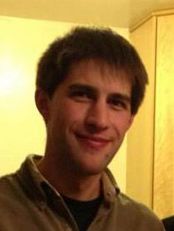
John Erickson
Environmental engineering PhD student, Nelson Lab
Matthew Bakalar is a graduate student in Dr. Daniel Fletcher's lab, where he is studying the physical principles that guide protein organization at the membranemembrane interface. In addition, he is developing an automated cell-phone based video microscope for quantifying Loa loa microfilariae in whole blood at the point-of-care. Matthew received his bachelor of science degree in computer engineering and bachelor of arts degree in philosophy from the University of Maryland.
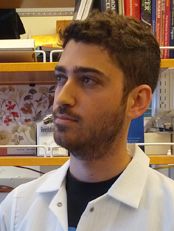
Matt Bakalar
Bioengineering PhD student, Fletcher Lab
Emily Tenorio Molina is a first-generation graduate student at the UC Berkeley Graduate School of Journalism. Her reporting focuses on technology and science in the San Francisco Bay Area. She’s currently a Newscast intern with KQED, and she’s previously worked for Bay City News and Contra Costa Pulse.
Emily Tenorio Molina
Science Communications Intern
Dr. Emmanuel Nasinghe graduated with a degree in Medicine and Surgery from Makerere University in 2017. He joined the Molecular Laboratory in the Department of Immunology and Molecular Biology at Makerere Unversity in Kampala, Uganda as a research assistant in 2018, working in Dr. Joloba’s laboratory. He coordinates the CEND Alliance program and other genomic studies in the department. He is currently enrolled in a Masters’ in Clinical Epidemiology and Biostatistics at Makerere University, and intends to pursue a career in genetic epidemiology.
Emmanuel Nasinghe, M.D.
On-Site Coordinator, Alliance for Global Health & Science
Jeff pursued his graduate studies at UC San Francisco in the laboratory of Dr. Peter Walter, where he made the initial discoveries of the unfolded protein response in yeast and received a PhD in Biochemistry and Biophysics. He moved to New York for a postdoc. fellowship with Dr. Bill Jacobs at Albert Einstein School of Medicine, where he developed new genetic strategies that allowed him to identify key virulence factors in M. tuberculosis. He subsequently returned to UCSF as Assistant Professor in the Dept. of Microbiology & Immunology, and established his research program studying the mechanisms of M. tuberculosis pathogenesis during his 15-year career there. In January 2016, he returned to Berkeley as Professor of Molecular and Cell Biology and as Faculty Director of the Center for Emerging and Neglected Diseases (CEND). His vision for CEND is to harness the broad strengths of Berkeley and the greater Bay Area to promote innovative research that focuses on major infectious diseases of the developing world.
Jeffery Cox, Ph.D.
CEND Co-Faculty Director and C.H. Li Chair, Biochemistry and Molecular Endocrinology Professor, Immunology and Pathogenesis
Kate Roberts is the Executive Director of the Henry Wheeler Center for Emerging and Neglected Diseases. Her work focuses on leading strategic partnerships within and beyond Berkeley, facilitating multidisciplinary collaboration and training, and translating research discoveries into real-world impact. With nearly two decades of experience across Africa, Asia, Latin America, and the Pacific, she specializes in implementation science approaches that strengthen health systems and advance infectious disease surveillance and response through locally-led, equitable collaboration. Kate holds a DrPH in Implementation Science in International Health from Johns Hopkins University, an MPH in Forced Migration and Health from Columbia University, and a BA from Emory University.
Kathryn Roberts, Dr.P.H., M.P.H
Executive Director
Laurent Coscoy is a Professor of Immunology in the Department of Molecular & Cell Biology. His research explores how viruses evade the immune system by disrupting the cellular machinery responsible for alerting the body to infection. Specifically, his lab investigates how cytomegaloviruses manipulate antigen presentation—the process by which infected cells display molecular signals that trigger protective immune responses. His work has revealed that while these viruses attempt to hide from detection by altering the peptides displayed on cell surfaces, this evasion strategy inadvertently activates an unconventional subset of T cells capable of recognizing these altered signals and mounting an effective antiviral response. This discovery opens promising avenues for vaccine development, as these unconventional T cell responses could be harnessed to protect against cytomegalovirus infections. Current projects in his lab focus on understanding the biology of these T cells in both mice and humans, with an emphasis on how viral perturbations are sensed by host cells and translated into immune activation.
Laurent Coscoy, Ph.D.
Faculty Associate Director and Professor of Immunology and Pathogenesis, Molecular and Cell Biology
Martina started her career as a communicable disease contact tracer and case investigator at a county health department to support the Covid-19 pandemic response. She then worked for Kiva to support global financial inclusion. Most recently, Martina worked for a USAID contractor implementing programs with partners in Mozambique, Myanmar, and South America. She is excited to bring together her experiences in public health and global programs to grow CEND's impact and increase capacity to treat neglected diseases. Martina holds a BA of Neuroscience from the University of Southern California and an MA of International Development Studies with an emphasis in Peace and Conflict Studies from The George Washington University. As a graduate student, she was a Bayer Sustainable Development Goals Fellow focused on increasing access to clean water and prenatal nutrition as well as improving dissemination of climate-smart agriculture initiatives. Her graduate work focused on community based land rights for environmental protection and violence reduction in Guatemala with the United States Institute of Peace. She is passionate about enacting better policies to support those forced to flee their homes due to violence, economic deprivation, and other forms of persecution.
Martina Vega, M.A.
Communications and Partnerships Coordinator
Sam Chamorro is a first-year graduate student studying Health Policy & Management at the UC Berkeley School of Public Health, where she serves as a Blue Shield of California Fellow. She holds a Bachelor of Science in Biology from UCLA. Her work has centered on mixed-methods field research, health data analytics, and climate resilience policy. She has worked as a Research Consultant with Pacoima Beautiful, conducting health and housing assessments in the San Fernando Valley, and translating data into actionable policy recommendations for climate-impacted communities. As a Project Coordinator Intern with the California Department of Public Health, she developed a statewide pre-planning assessment framework to improve strategic alignment and operational capacity of local health departments in integrating emergency preparedness and climate resilience into their core workflows. Passionate about community and leadership, Sam served as President of the UCLA Public Health Initiative: Leaders of Tomorrow, directing mentorship programs and professional growth events for undergraduate students.
Sam Chamorro
Graduate Student Assistant
Sarah Stanley is CEND's Co-Faculty Director, Faculty Director of the Alliance for Global Health and Science, and an Assistant Professor at UC Berkeley with appointments in the School of Public Health and in Immunology and Molecular Medicine within Molecular and Cell Biology. She is deeply committed to scientific capacity building in low- and middle-income countries and has mentored numerous students and scientists from around the world. Her research focuses on innate and adaptive immune responses to Mycobacterium tuberculosis (Mtb), a pathogen of tremendous global importance that kills more people annually than any other infectious agent and infects an estimated two billion people worldwide. Her lab seeks to understand why natural immunity fails to eliminate Mtb infection—despite the pathogen being a strong inducer of inflammation and robust T cell responses—and what types of immune responses have the potential to be truly protective. This work extends to the bacterial perspective as well, using genetics to identify virulence factors that allow Mtb to exploit, evade, and suppress host immunity. The ultimate goal is to leverage these insights for developing new vaccines and immune-modifying therapeutics. Sarah trained at UCSF, where she earned her PhD studying the molecular basis of Mtb pathogenesis with Jeff Cox, followed by postdoctoral work at the Broad Institute of Harvard and MIT using high-throughput screening to identify novel inhibitors of infection.
Sarah Stanley, Ph.D.
CEND Co-Faculty Director; Alliance for Global Health and Science Faculty Director, and Assistant Professor, School of Public Health and Molecular Cell Biology