Emerging and neglected diseases are a group of debilitating and often deadly infections. As a group, these diseases are poorly understood and generally lack effective tools for prevention, control, and treatment. CEND Annual Symposium aims to strengthen connections between San Francisco Bay Area scientists working on infectious diseases of global health importance and the broader global health research, product development, and advocacy communities. The symposium features a dynamic list of invited speakers from around the world, including scientists from developing countries. Participants include academic researchers from UC Berkeley, UCSF, Stanford, UC Davis as well as representatives from local biotechnology and pharmaceutical companies and global health nonprofits.
The focus of the 14th Annual Symposium was Fundamental Mechanisms, Breakthrough Therapies and Beyond. We were finally back in-person, which facilitated lively discussions amongst students, faculty, speakers, and other guests on topics ranging from circadian rhythms in malaria parasites to vaccine development for tuberculosis control. At the end, CEND Fellows, PREP Scholars, and other Berkeley students presented posters on their research projects, fielding thoughtful questions from audience members.
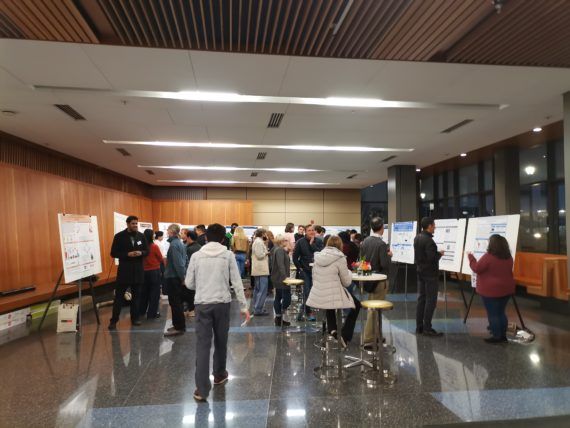
Poster presentation session
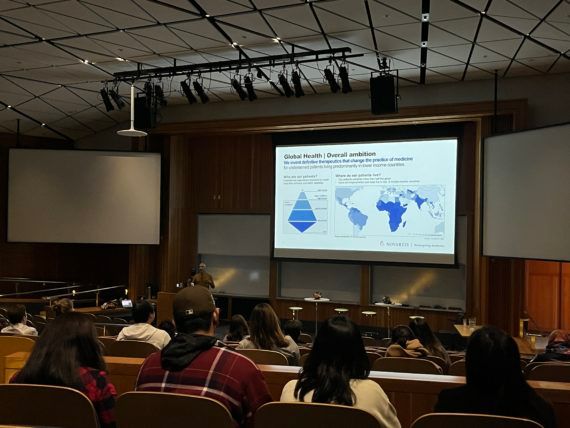
Presentation by Dr. Thierry Diagana of Novartis
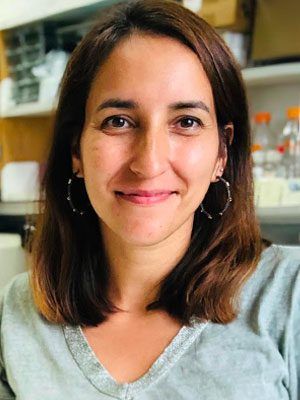
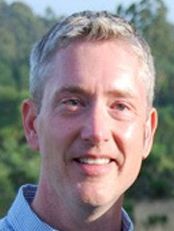
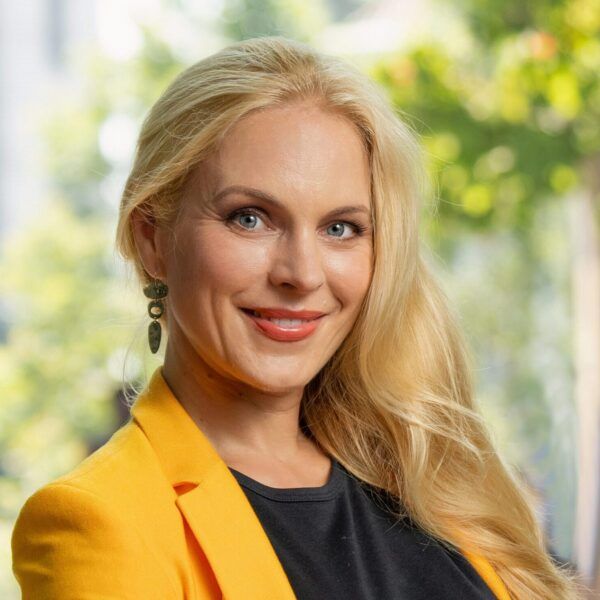
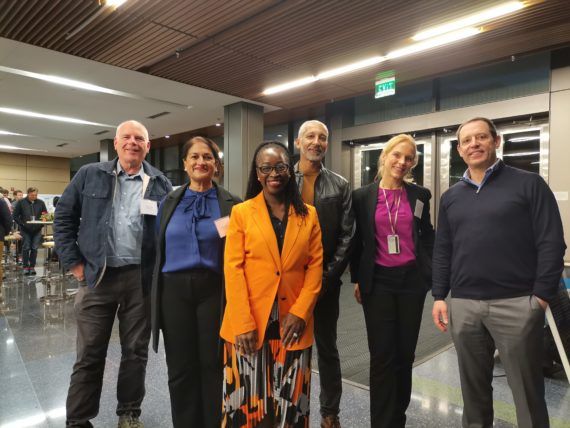
The symposium speakers (from left to right): John Link, Rhea Coler, Delali Attiogbe Attipoe, Thierry Diagana, Julia Schaletzky, and Judd Walson.
The COVID-19 pandemic has brought the need for better integration of science and policy into a sharp focus. The 13th Annual CEND Symposium "Rapid innovation in a highly regulated space - what can we learn from COVID-19 for pandemic preparedness?" aimed to provide a forum for interdisciplinary thought exchange and development of ideas about how to best harness academic innovation and reserve capacity, and how to develop regulatory frameworks in times of crisis.
This two-day conference featured lectures from thought leaders in drug development, health policy, and other relevant fields, as well as workshops to develop tangible ideas for publication in a conference report. Videos from the 13th Annual CEND Symposium are available on CEND's YouTube Channel.
CEND Annual Symposium aims to strengthen connections between San Francisco Bay Area scientists working on infectious diseases of global health importance and the broader global health research, product development, and advocacy communities. The symposium features a dynamic list of invited speakers from around the world, including scientists from developing countries. Each January the event attracts over 400 registrants. Participants include academic researchers from UC Berkeley, UCSF, Stanford, UC Davis as well as representatives from local biotechnology and pharmaceutical companies and global health nonprofits.
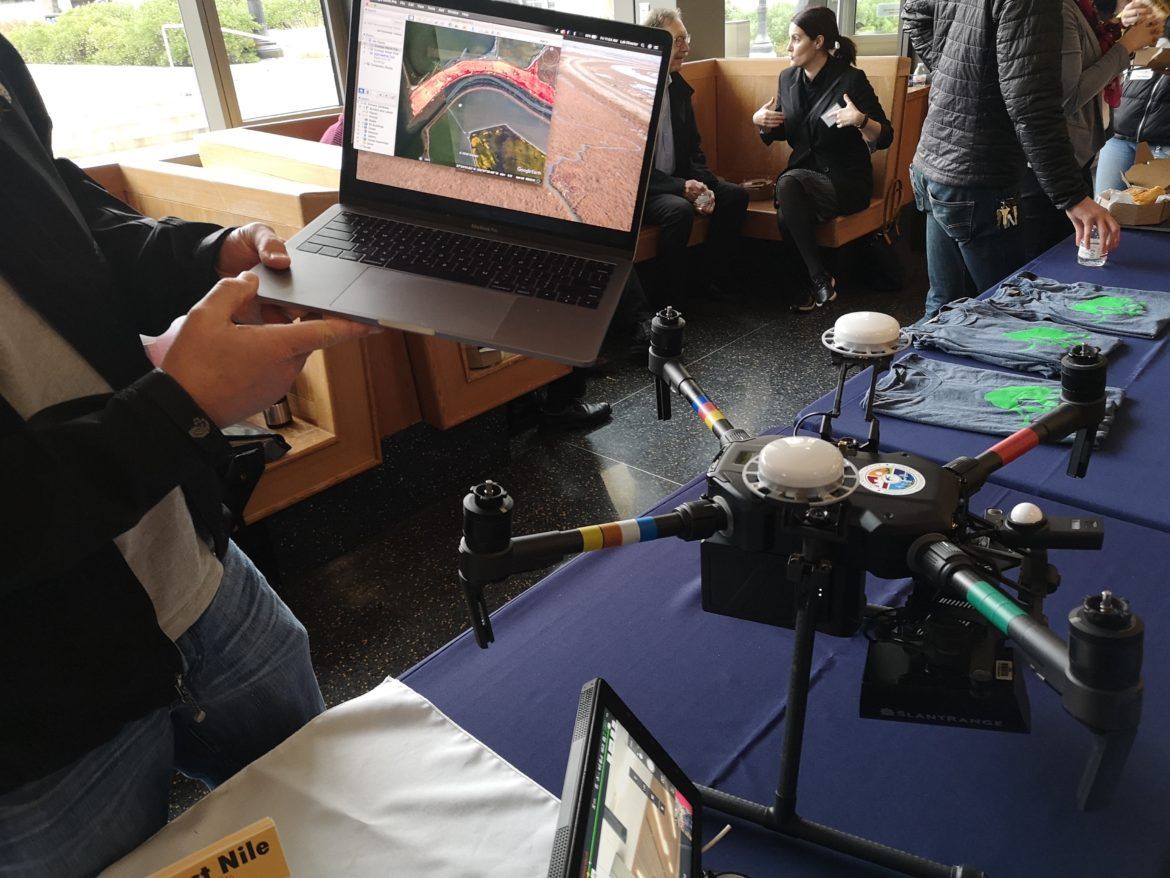
The 11th annual CEND symposium addressed three core themes: Molecular Diagnostics, Antibiotic Resistance, and Helminthic Diseases. During each of the three sessions, three speakers presented scientific research projects, product development, and policy. Topic-specific panels at the end of the session allowed the audience to pose questions to all three of the speakers at once. T he morning session on molecular diagnostics began with an overview of approaches, achievements, and challenges to in vitro diagnostics by Ranga Sampath of FIND Geneva. Lisa Diamond presented Pinpoint Sciences’ exciting approach to accurate, low-cost nanopipette-based diagnostics, emphasizing the startup’s desire to partner with infectious disease experts to allow their technology to be accessible and affordable everywhere in the world. Aydogan Ozcan of UCLA described his lab’s goal to democratizing diagnostics by utilizing smartphones and other existing tools for advanced imaging and assaying techniques. During the Q&A panel discussion, all three speakers agreed that multiplexing was the future and expressed hope that their products would be economically sustainable and that the prices of development and manufacturing need to be clearly separated to enable further innovations. The session smoothly transitioned to a lively tech show featuring several diagnostic companies such as Mammoth Biosciences, Pinpoint Biosciences, as well as organizations such as the Lawrence Livermore National Laboratory and Alameda County Mosquito Abatement District.
Alameda County Mosquito Abatement District’s Eric Haas-Stapleton, lab director, displaying one of their newest technologies in use for mosquito control - a drone! Drone technology supports ACMAD in surveillence of mosquito habitats using geographic information systems and remote sensing.
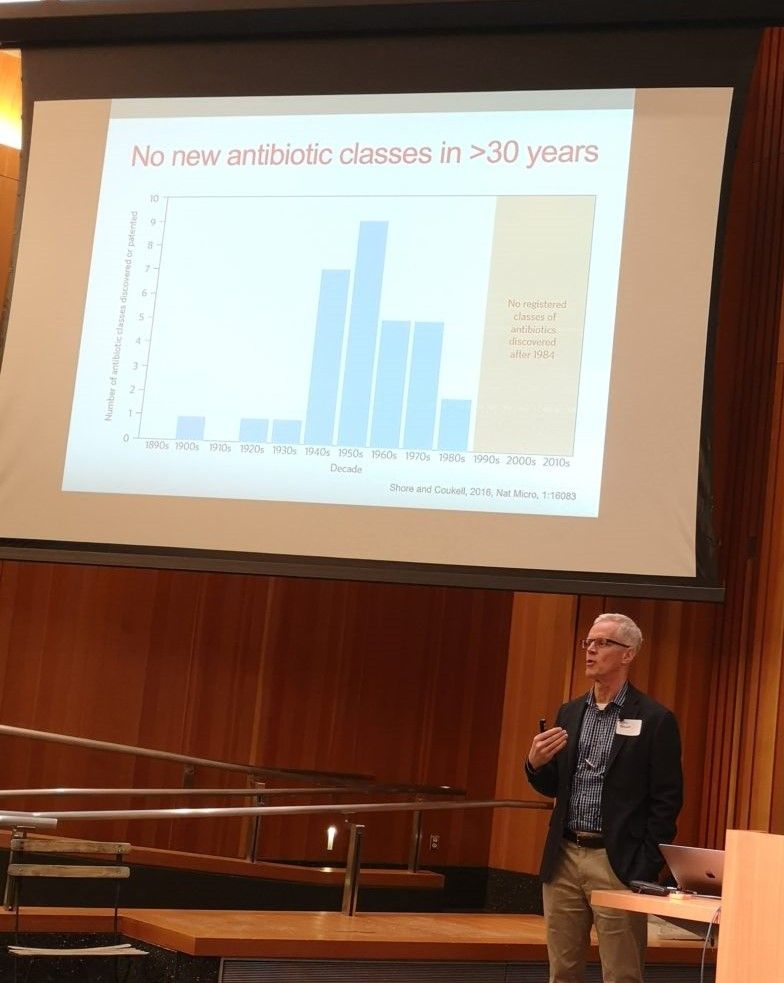
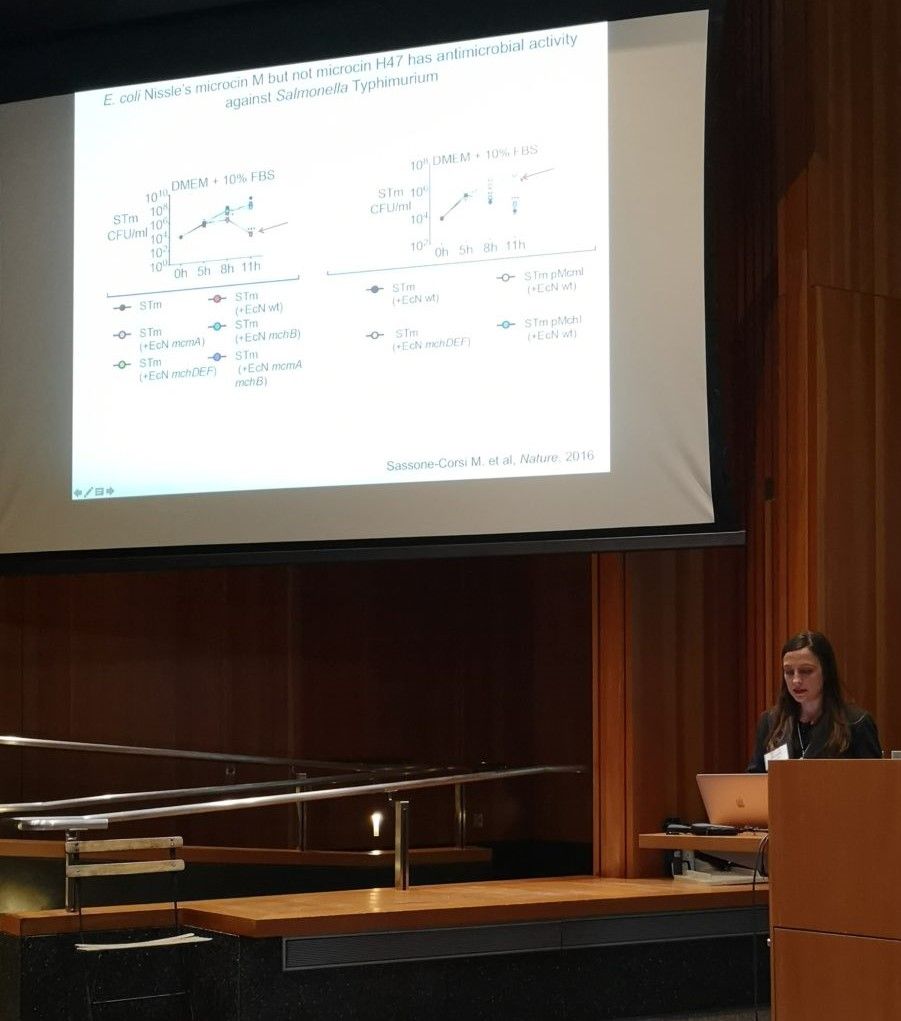
Antibiotic resistance was tackled in three diverse presentations during the second session of the symposium. Eric Brown from McMaster University emphasized the need for a systems approach to developing new antibacterial therapies at the intersection of chemistry and genomics. UCSD’s Manuela Raffatellu focused on the great promise studying our bodies’ own microbiomes to develop new therapeutics during both her talk and the panel discussion, providing a fresh perspective on antimicrobial treatment. Peter Smith rounded out the discussion of antimicrobials with a presentation on an optimized signal peptidase inhibitor G0775 developed at Genentech, the first of a new class of Gram negative antibiotics that could help overcome the looming problem of antibiotic resistance. Although it was clear that the speakers were acutely aware of the economical problems facing antibiotic research, they expressed hope that through advocacy and policy changes, our society would figure out a way to make new drug discovery and development sustainable.
Eric Brown of McMaster University in Ontario, Canada presenting “A Systems Approach to Antibiotic Drug Discovery”, which focused on the need for a system-level approach to developing new antibacterial therapies at the intersection of chemistry and genomics.
Manuela Raffatellu of the University of California, San Diego presents on her research investigating microbial competition in vitro and how that knowledge can be utilized in the fight against antibiotic resistance.
Many of the world’s most neglected tropical diseases are caused by helminths. Peter Hotez of the Baylor School of Medicine introduced the third session with a review of the advances made so far in treating these chronic, debilitating diseases. His talk also discussed reverse vaccinology based-approaches to engineering new vaccines, and efforts to address societal concerns raised in the anti-vaccination movement and others. UCSF investigator Judy Sakanari introduced the audience to her lab’s advances in assay development to screen drugs to treat diseases caused by filarial nematodes. The session closed with a focus on the host immunological response to helminth infections by Thomas Nutman from the NIAID, whose work concentrates on dissecting the T cell-mediated responses to these diseases. A cheerful networking and poster session provided eager attendees with the opportunity to forge new connections with other researchers and leaders in the field. With the extraordinary diversity of research topics and approaches to tackling these issues of global health, this year’s CEND symposium set the stage for many thoughtful discussions. Although the presentations often emphasized the dire need to combat these devastating diseases, each session offered a path to success and instilled hope for the future of new diagnostic and therapeutic developments through strong advocacy and collaborations between industry, academia, and governmental organizations.