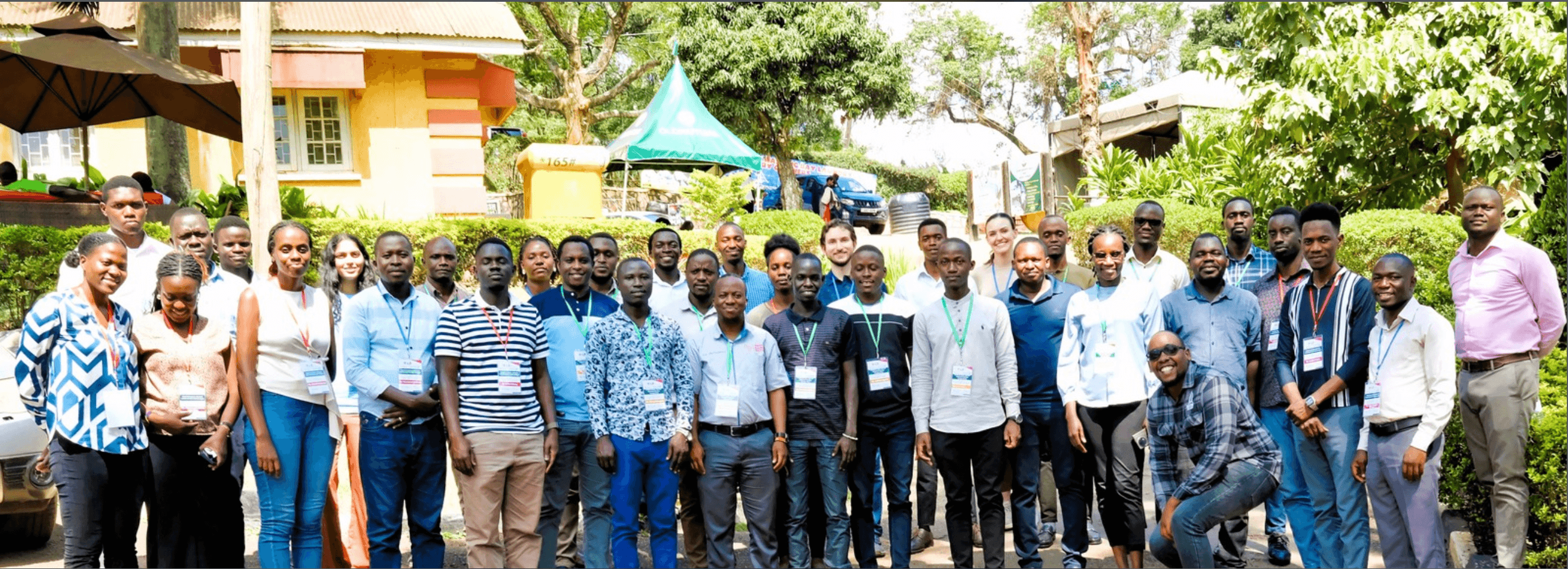
How 45 East African researchers gained cutting-edge computational skills to tackle their region’s most urgent health challenges
November 10-14, 2025 | Kampala, Uganda | UC Berkeley + Makerere University
________________________________________
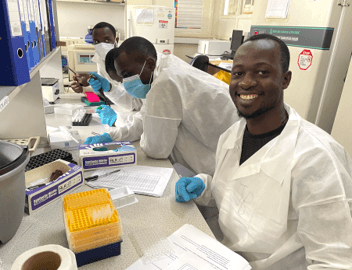
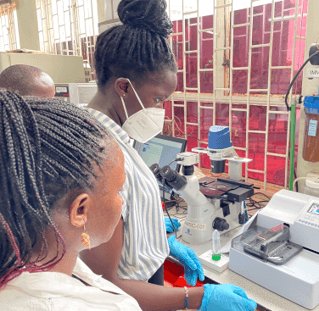
At Makerere University last November, something remarkable was happening. A graduate student was designing protein binders to combat artemisinin-resistant malaria. Another was using phylogenetics to track tuberculosis transmission patterns. A third was applying computational tools to predict antimicrobial resistance—all using the same high-performance computing infrastructure that powers cutting-edge research at UC Berkeley.
This wasn’t a far-off dream. It was the Alliance for Global Health and Science in action.
By the Numbers
- 45 Researchers Trained
- 100+ Applications Received
- 89% Rated Excellent/Very Good
- 2,627 HPC Hours Logged
Two Workshops, One Mission
With over 100 applications, the demand for computational biology training far exceeded what’s currently available in the region—and these weren’t casual requests. These were PhD students and researchers ready to transform their work. Pre- and post-workshop assessments revealed statistically significant learning gains across every domain we tested.
Modern Phylogenetic Tree-Building
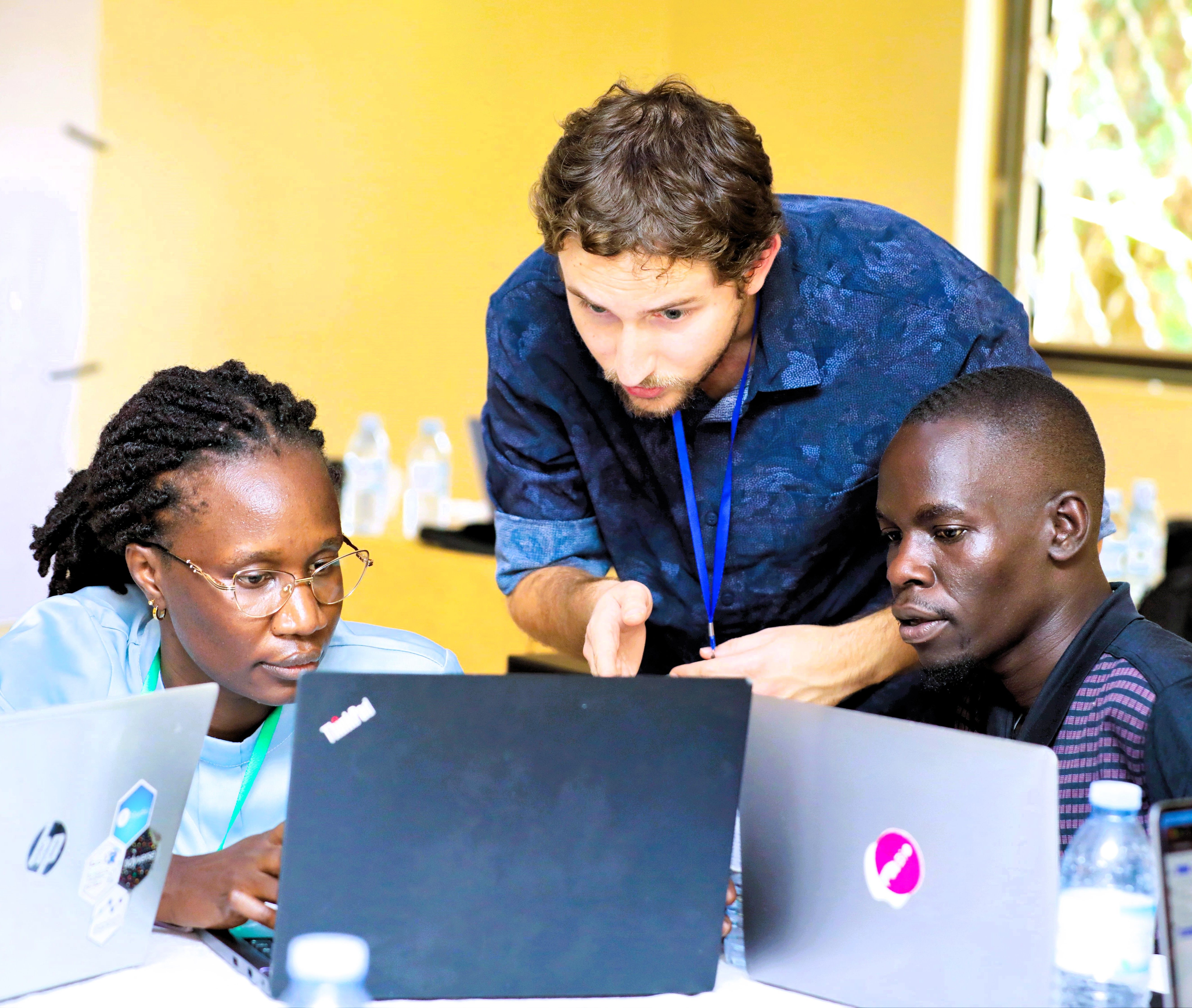
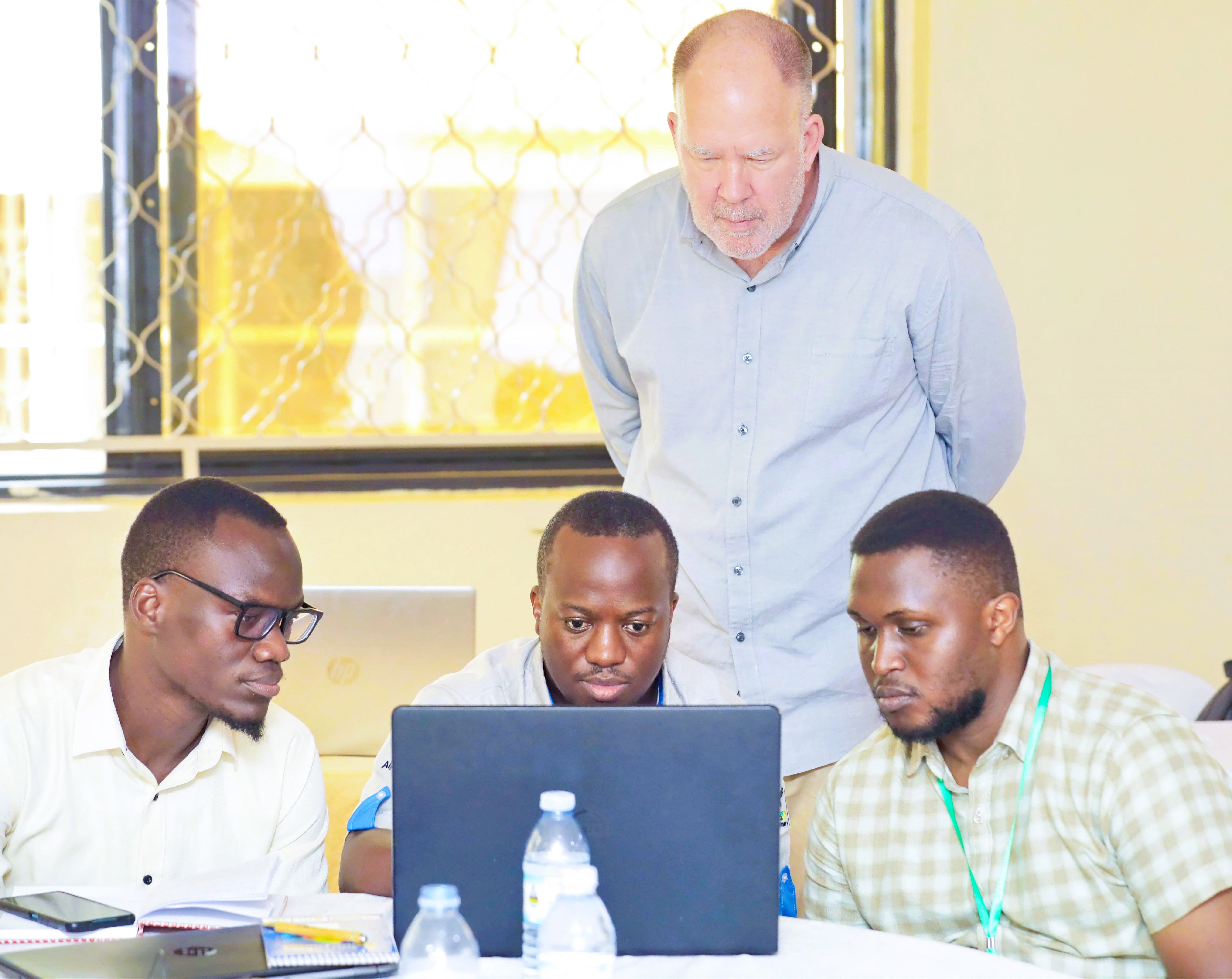
Five intensive days covering phylogenetic theory, tree estimation, divergence time estimation, and epidemiological applications.
30 participants • Led by Prof. John Huelsenbeck (UC Berkeley) and Noah Baker (UCSF PhD Student and former UC Berkeley MPH student and CEND Fellow)
Supported by CEND and its generous donors
Tools: MrBayes, PAUP, RevBayes, Python, C++, Berkeley Savio HPC Cluster
Phylogenetics Course: Knowledge Gains
Measure (p-value)
“I understand phylogenetics as a field” (< 0.05)
“I understand the application of phylogenetics” (< 0.05)
“I understand programming applications in biology” (< 0.05)
Before the workshop, over 55% of participants rated their understanding of phylogenetics at levels 1-2 on a 5-point scale. After? Nearly 90% rated themselves at levels 4-5, with the majority reporting the highest confidence level. That’s not incremental improvement—that’s transformation.
Computational Protein Design
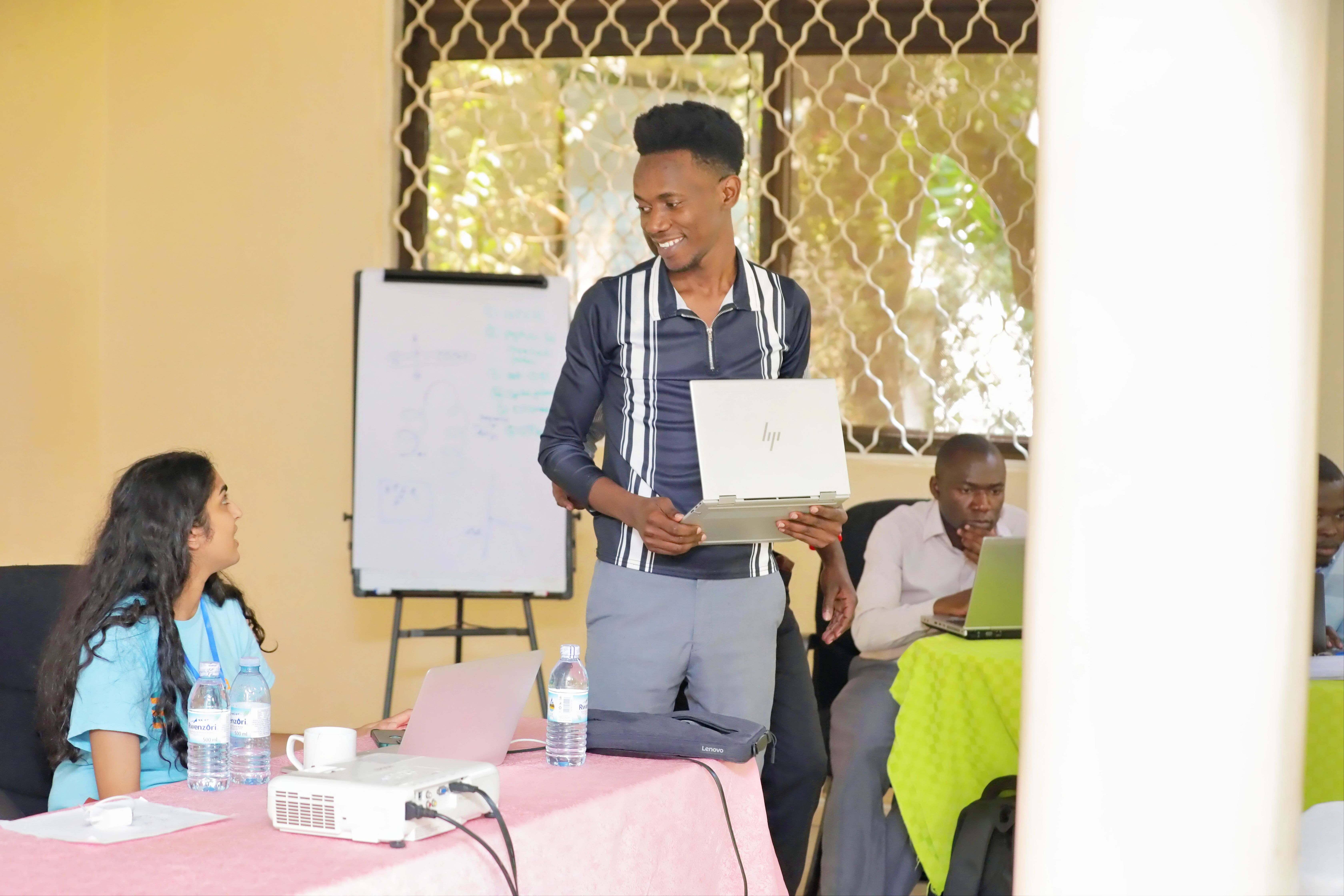
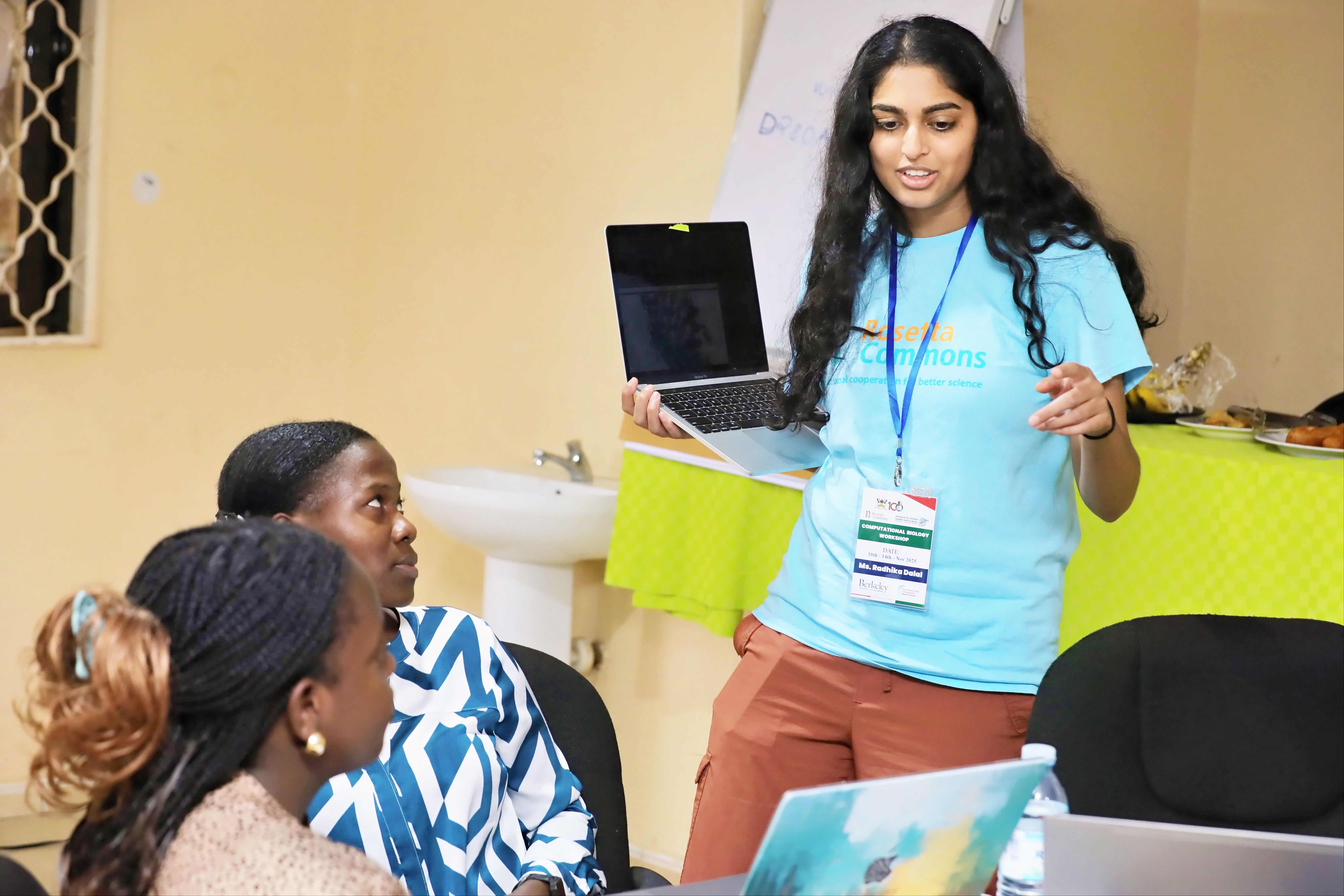
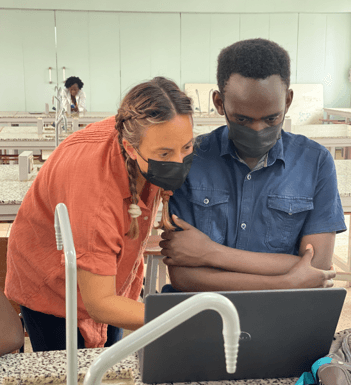
Four days of deep learning-based protein design: backbone generation, sequence design, and structural prediction using the same tools reshaping drug discovery worldwide.
15 participants • Led by Radhika Dalal (UCSF PhD Student)
Supported by Rosetta Commons and CEND
Tools: RFdiffusion, ProteinMPNN, AlphaFold2/3, Rosetta, PyMOL
Supported by the Rosetta Commons and CEND's generous donors
Protein Design Course: Knowledge Gains
Before the workshop, participants had minimal familiarity with cutting-edge protein design tools—100% rated their understanding of RFdiffusion at the lowest levels, and only 8% understood Rosetta. After the workshop? 100% reported conceptual mastery of all four major tools, with all changes statistically significant (p < 0.001).
Tool Pre-Workshop Post-Workshop (p-value)
RFdiffusion 1.3/5 (0% understood) 100% understand (< 0.05)
ProteinMPNN 2.2/5 (15% understood) 100% understand (< 0.05)
Rosetta 2.0/5 (8% understood) 100% understand (< 0.05)
AlphaFold 3.3/5 (38% understood) 100% understand (< 0.05)
AlphaFold showed the highest baseline awareness—likely thanks to the Nobel Prize media coverage—but the workshop transformed surface-level familiarity into practical, applicable understanding. And 92% of participants said they were likely to use RFdiffusion in their future research.
Overall Workshop Evaluation
Metric (Result)
Instructor Effectiveness: Extremely/Very Effective (100%)
Met Learning Objectives: Mostly/Completely (95%)
Hands-on Sessions: Extremely/Very Useful (95%)
Will Apply Skills Immediately or Within 6 Months (73%)
In Their Own Words
“This course has transformed my approach from a simple ‘lock and key’ docking study into a comprehensive, evolution-informed pipeline that merges data science with molecular biology.”
“The promise of collaboration, shared learning and well-served logistics. No one was left behind. The instructors made sure they elaborated every detail and we were able to efficiently use them.”
“I greatly appreciate the first in-person computational protein design workshop at Makerere University. The combination of lecture and lab components was effective, and the insight into the current state-of-the-art tools will be directly applicable to my future research goals.”
“Am very grateful for the opportunity to be part of this exposure into protein design, please extend more workshops and trainings and eventual technology transfer to us in the third world.”
Real Research, Real Impact
What are participants doing with their new skills? They’re tackling some of the most pressing health challenges facing their communities:
• Antimicrobial Resistance
• Malaria Drug Resistance
• TB Drug Discovery
• HIV Drug Resistance
• Cancer Biomarkers
• Mpox Virus
• Agricultural Disease
• Zoonotic Surveillance
• Sickle Cell Research
One participant is now designing binders for Kelch 13 protein mutations—the molecular culprit behind artemisinin-resistant malaria. Another is using AlphaFold to model HIV-1 pol variants and understand how resistance mutations affect drug binding. A third is constructing phylogenetic trees of beta-lactamase families to identify conserved drug targets that bacteria can’t easily mutate around.
This isn’t theoretical exercise. It’s targeted research addressing real threats to health in Uganda and beyond.
Why This Model Works
Africa bears 25% of the global infectious disease burden but produces just 2% of the world’s health research output. That’s not a capability gap—it’s an infrastructure and access gap.
The Alliance for Global Health and Science flips the traditional model. Instead of extracting data from Africa to analyze elsewhere, we’re building analytical capacity where the data originates. We’re creating two-way streets, not one-way pipelines.
The workshops didn’t just teach tools—they built relationships. By the end of the week, every student had a functional computational environment on their personal computer and access to Berkeley’s Savio high-performance computing cluster with credits for continued use. Within the first week after returning home, students had already logged over 2,627 hours of computing time.
They’re not just workshop participants anymore. They’re colleagues.
What’s Next
Several collaborative research projects have already emerged from connections made during the workshops. Students continue to reach out with questions, share their progress, and push the boundaries of what’s possible with these tools.
The Alliance is planning summer 2026 workshops in partnership with Gorilla Doctors, expanding our reach and building on lessons learned.
Because when we invest in building scientific capacity where it’s needed most, everyone benefits. Discoveries happen faster. Solutions are more relevant. And the next generation of global health leaders gets the tools they need to lead.
________________________________________
Follow CEND and the Alliance for Global Health and Science to stay updated on emerging research collaborations and upcoming training opportunities.